Regenerative Medicine
PRP Therapy for Musculoskeletal Pain in Virginia Beach
Platelet-Rich Plasma, often called PRP, is a regenerative treatment that uses a concentrated portion of your own blood to support the body’s natural healing process. At the Barr Center for Innovative Pain and Regenerative Therapies in Virginia Beach, PRP may be considered for certain joint, tendon, ligament, and soft tissue conditions when a non-surgical option is appropriate.
When pain lingers, the goal is usually bigger than short-term relief. Most patients want to move better, feel stronger, avoid unnecessary surgery, and get back to the life they enjoy.
For some patients with chronic musculoskeletal pain, PRP therapy may be part of that conversation. PRP is commonly discussed in regenerative medicine, sports medicine, orthopedic care, and interventional pain management because it focuses on supporting tissue repair rather than simply covering up symptoms.
PRP is not the right fit for every patient or every condition. But for the right person, it may offer a helpful non-surgical option for joint pain, tendon injuries, arthritis, and certain soft tissue concerns.
What Is PRP Therapy?
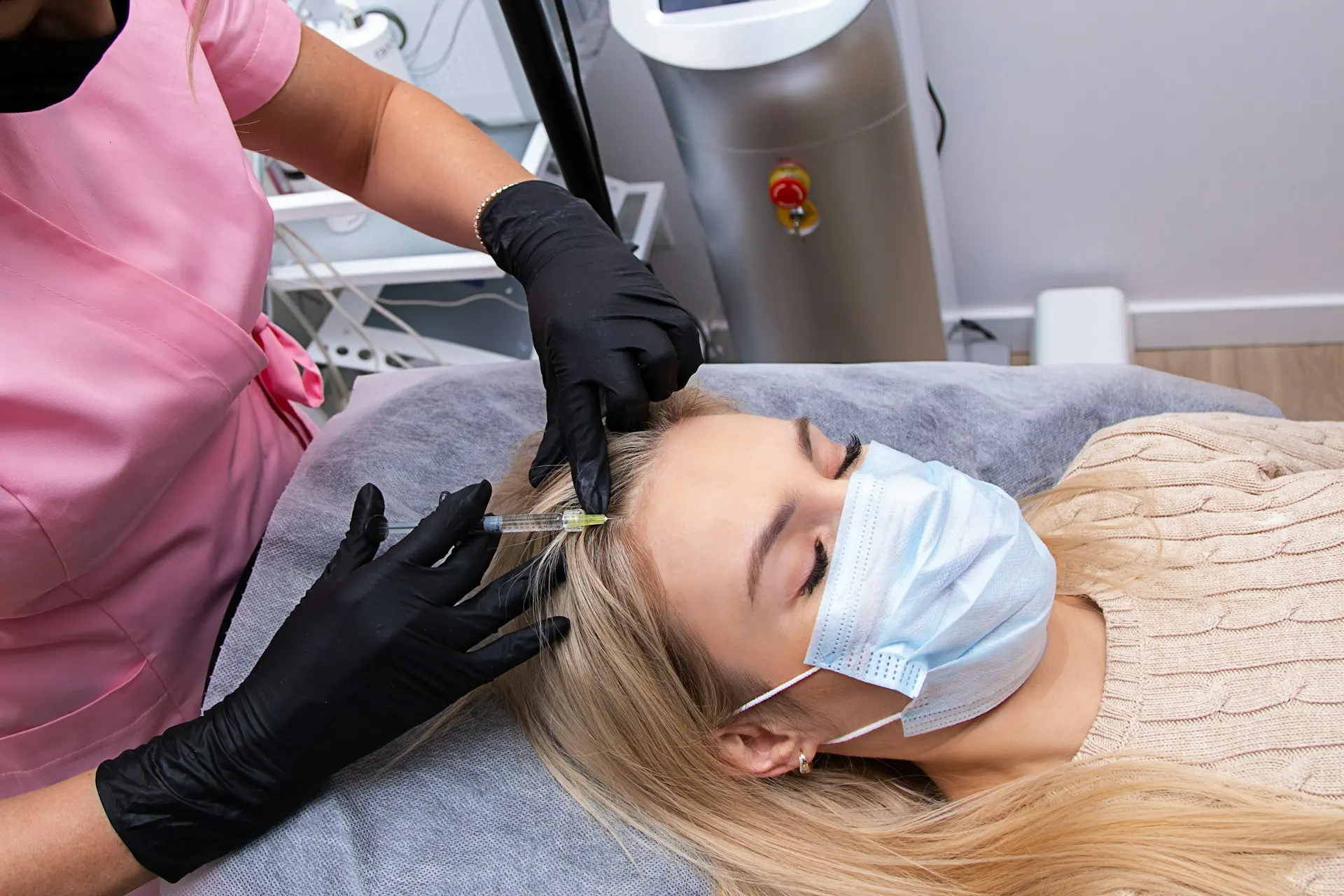
PRP stands for Platelet-Rich Plasma. It is made from a small sample of your own blood. That blood is placed into a centrifuge, which separates and concentrates the platelets and plasma.
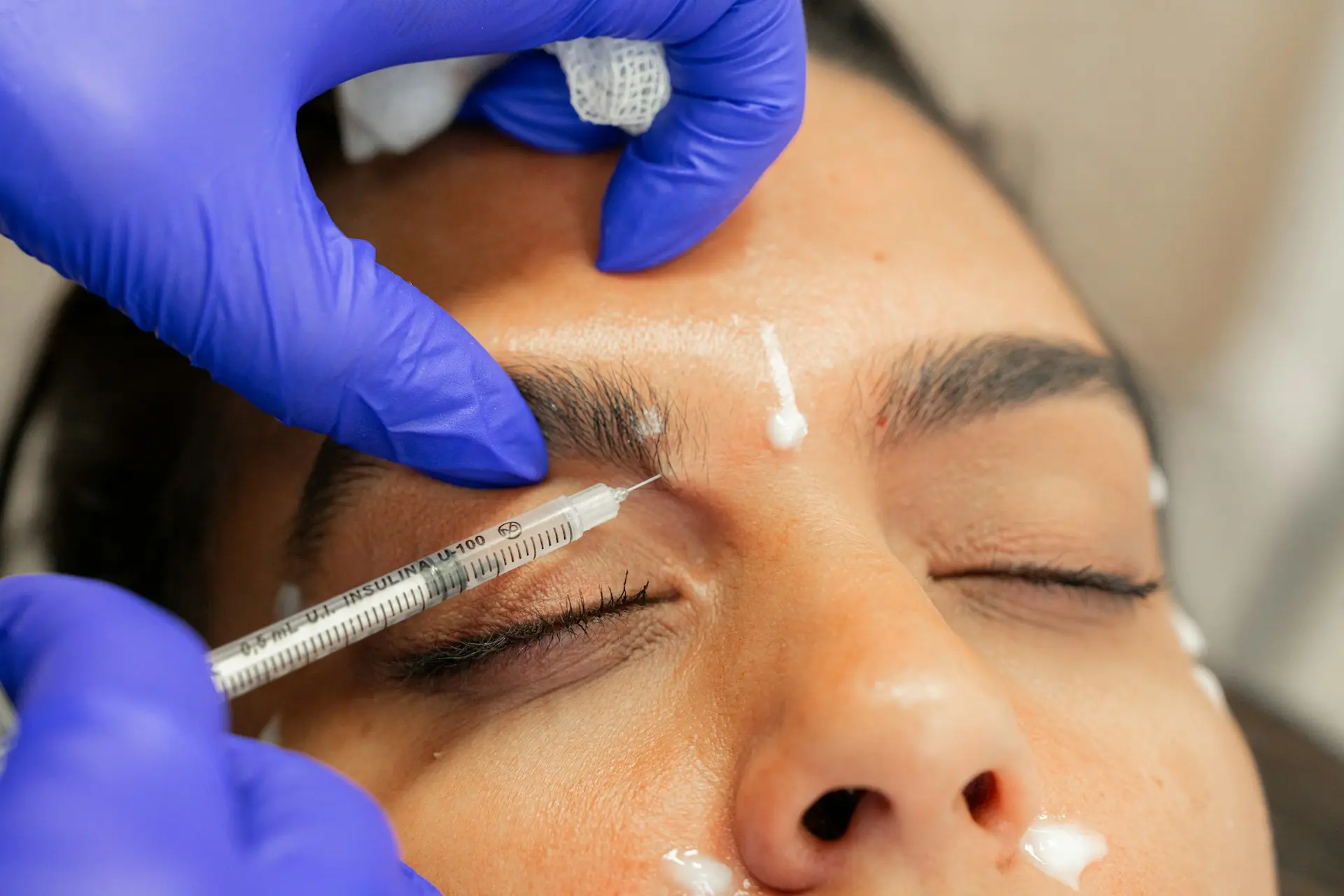
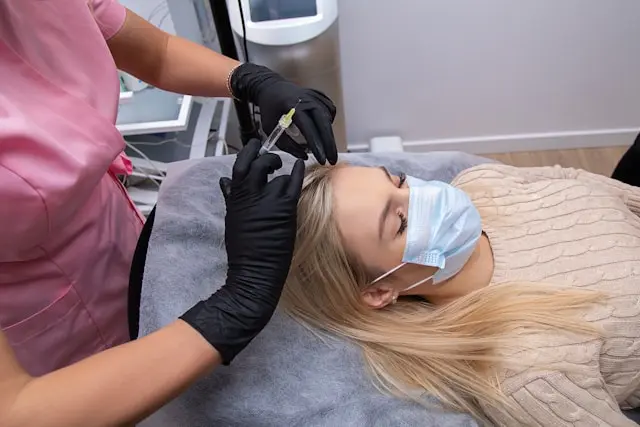
Platelets are best known for their role in clotting, but they also contain growth factors and signaling proteins that are involved in tissue repair. Once prepared, the PRP is injected into the area being treated.
PRP may help support:
- Tissue healing
- Collagen production
- Local repair signaling
- Reduced inflammatory irritation in some conditions
- Recovery in injured tendons, ligaments, joints, and soft tissues
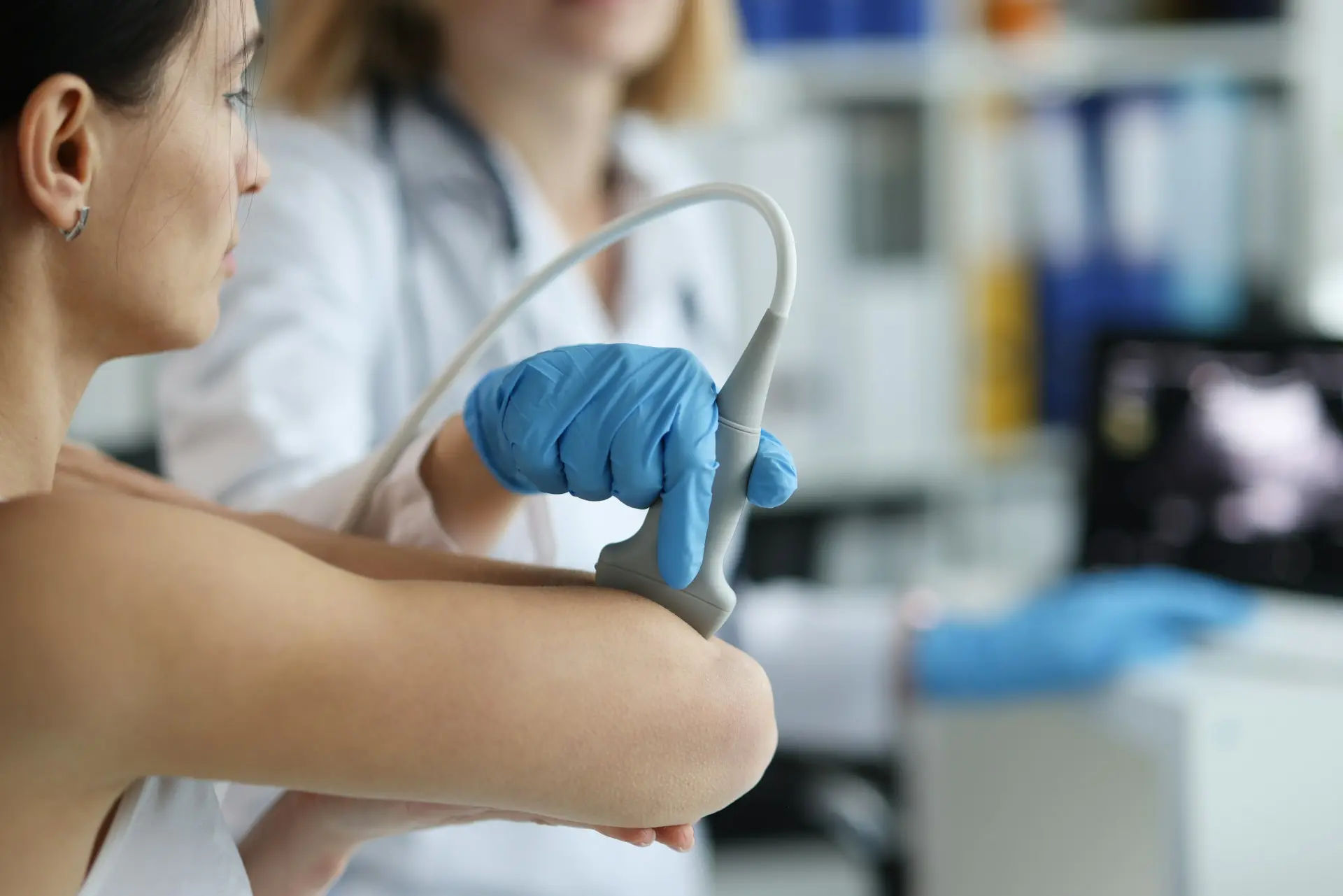
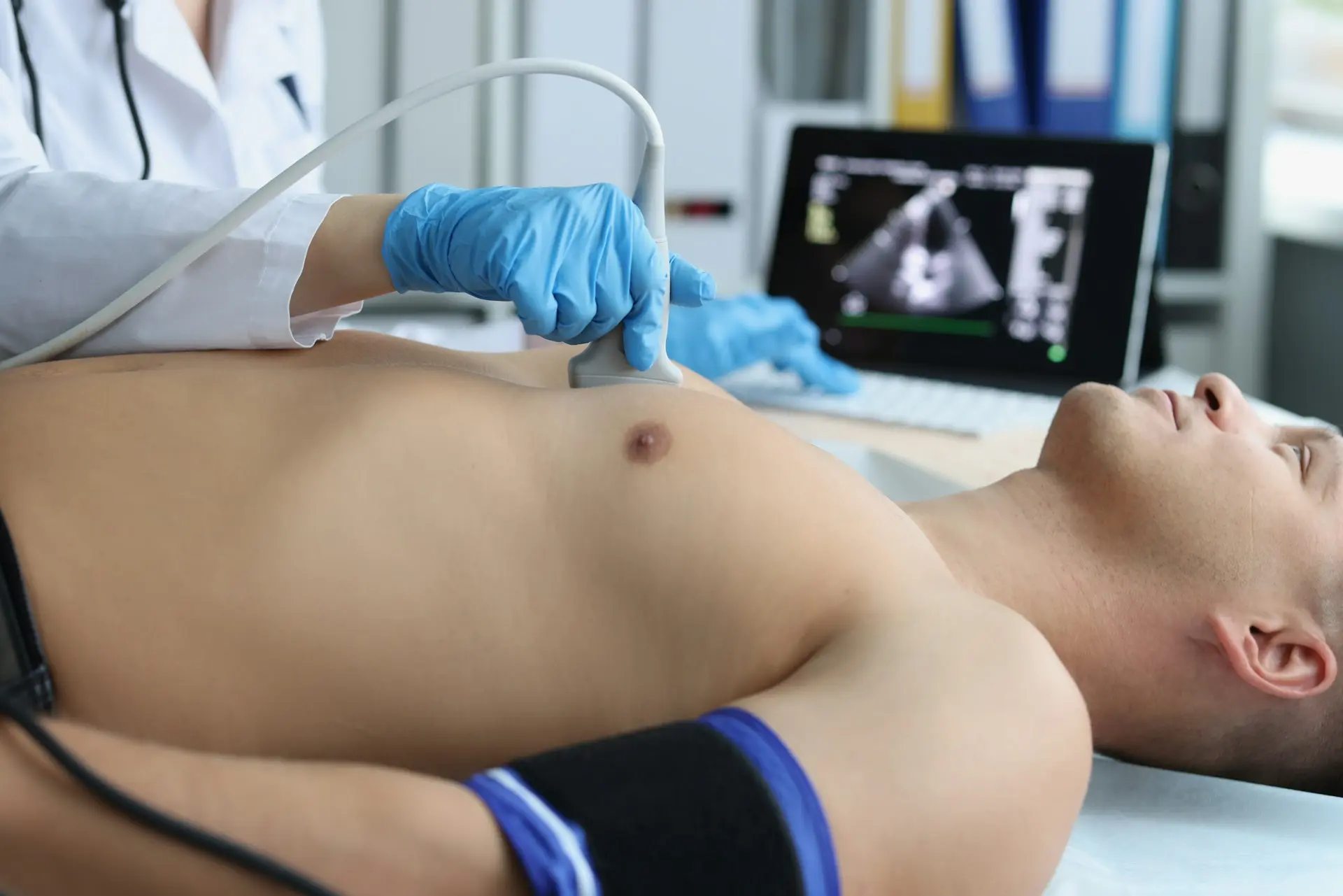
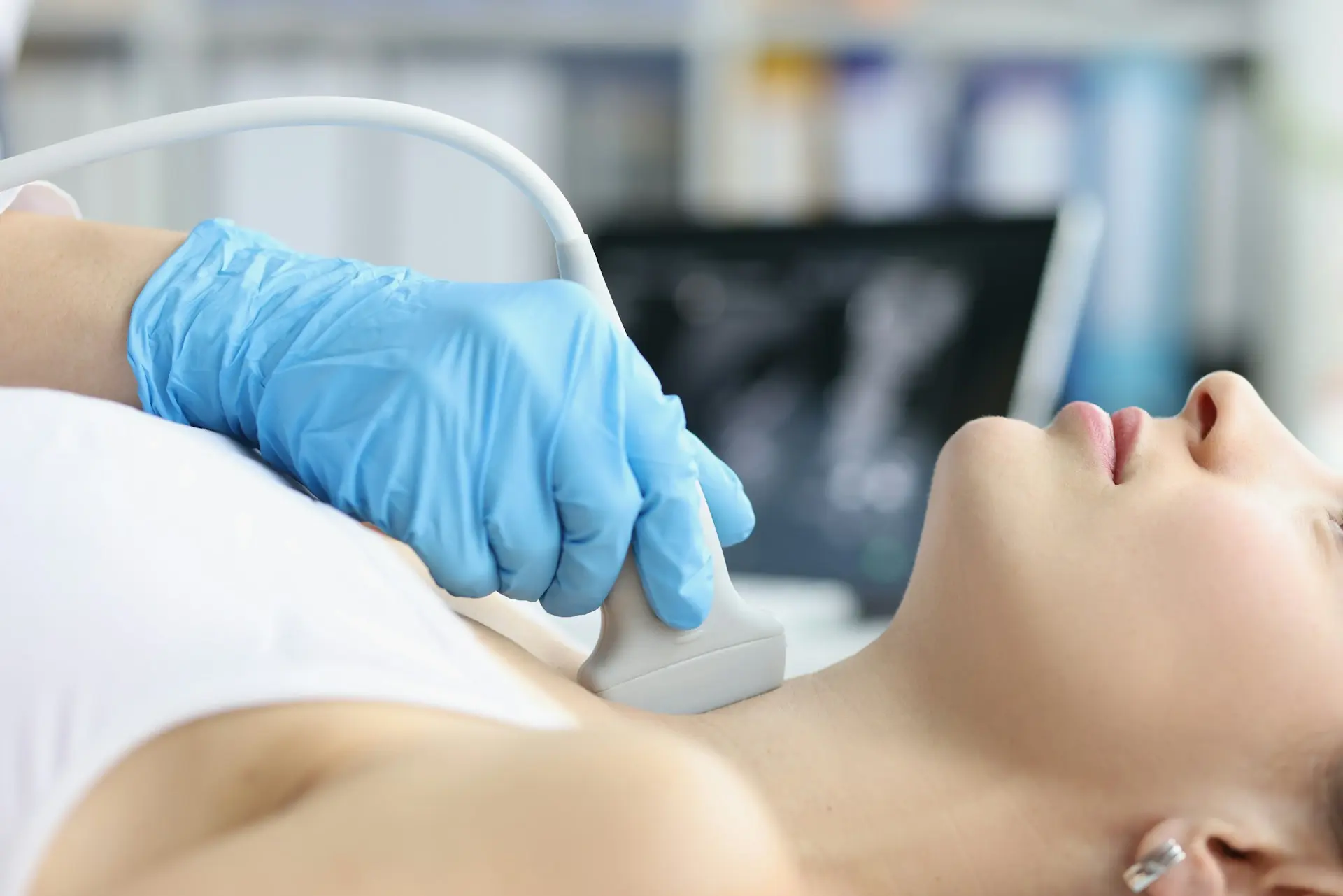
At Barr Center, PRP injections are often performed with musculoskeletal ultrasound guidance. This helps improve accuracy by allowing the provider to better visualize the targeted tissue during treatment.
What Musculoskeletal Conditions Can PRP Help Treat?
PRP is used for a range of orthopedic and musculoskeletal concerns. Its role depends on the diagnosis, the severity of tissue damage, the patient’s health, and whether the injured area is likely to respond to a regenerative approach.
Joint Pain and Arthritis
PRP may be considered for certain patients with joint pain or mild to moderate arthritis, including:
- Knee osteoarthritis
- Hip arthritis
- Shoulder arthritis
- Thumb arthritis
- SI joint dysfunction
Tendon and Ligament Injuries
Chronic tendon and ligament problems can be frustrating because these tissues may have limited blood supply and can be slow to heal. PRP may be used to support repair in conditions such as:
- Tennis elbow
- Golfer’s elbow
- Rotator cuff tendinopathy
- Achilles tendinitis
- Patellar tendinitis
- Hamstring injuries
- Plantar fasciitis
- Ligament sprains or chronic ligament irritation
Spine and Soft Tissue Pain
In some cases, PRP may be discussed as part of a broader treatment plan for certain spine-related or soft tissue pain concerns, including:
- Facet-related pain
- Sacroiliac joint dysfunction
- Ligament instability
- Myofascial pain
- Chronic soft tissue injuries
Sports and Overuse Injuries
Athletes and active adults may consider PRP when repetitive strain, tendon irritation, or overuse injuries are not improving as expected with rest, therapy, or standard conservative care.
How Does PRP Work?
When tissue is injured, the body naturally sends healing cells and repair signals to the area. Sometimes that process stalls. Age, chronic inflammation, poor circulation, repetitive stress, metabolic health, and the severity of the injury can all affect healing.
PRP works by delivering a concentrated amount of the patient’s own platelets directly to the injured or painful area. The goal is to encourage a more active healing response in tissue that may be irritated, inflamed, weakened, or slow to recover.
The goal of PRP is to support:
- Improved tissue quality over time
- Local repair activity
- Better function and mobility
- Reduced pain in appropriately selected patients
- A more natural healing response
PRP is not an instant numbing treatment. It is designed to support a repair process, so results can take time. Some patients notice improvement within a few weeks, while others improve more gradually over several months.
Why Some Patients Consider PRP Instead of Cortisone Injections
Cortisone injections can be helpful for reducing inflammation and pain in certain situations. However, they are generally used to calm symptoms, not to repair tissue.
PRP takes a different approach. Instead of suppressing inflammation alone, PRP is intended to support the body’s healing process. This can make it appealing for patients who want a non-surgical treatment option that fits into a longer-term recovery plan.
Potential Advantages of PRP
- Uses the patient’s own blood components
- May help support tissue healing
- Avoids repeated steroid exposure
- Can be paired with rehabilitation
- May help certain tendon, ligament, joint, and soft tissue conditions
- Offers a non-surgical option for carefully selected patients
The right choice depends on the condition, the patient’s goals, imaging findings, prior treatments, and overall health.
What Makes PRP at Barr Center Different?
Not all PRP treatments are the same. The quality of the evaluation, the preparation process, the injection technique, and the provider’s understanding of musculoskeletal pain all matter.
At Barr Center in Virginia Beach, regenerative treatments are approached through a broader lens. The team looks at the painful structure, but also considers why the tissue may not be healing well in the first place.
The Barr Center approach may include:
- Advanced musculoskeletal ultrasound guidance
- Precision injection techniques
- Functional medicine evaluation
- Rehabilitation recommendations
- Nutritional and metabolic support
- Biologic optimization strategies
- A broader review of inflammation, movement, and healing capacity
PRP may also be considered alongside other regenerative or supportive options when appropriate, such as PRFM, prolotherapy, peptide support, or combination regenerative protocols.
Is PRP Painful?
Most patients tolerate PRP injections well. Because PRP is meant to stimulate a healing response, temporary soreness, stiffness, or inflammation after treatment can happen.
Patients are often advised to avoid anti-inflammatory medications around the time of PRP treatment unless directed otherwise by their provider. This is because inflammation is part of the early healing response PRP is intended to support.
Recovery varies from person to person. The timeline depends on the condition being treated, the severity of tissue damage, age, activity level, metabolic health, and the body’s overall healing capacity.
Who May Be a Good Candidate for PRP?
PRP may be worth discussing if you want to avoid surgery, have a chronic tendon or ligament injury, have mild to moderate arthritis, or have not improved as expected with traditional treatment.
PRP may be considered for patients who:
- Have joint, tendon, ligament, or soft tissue pain
- Want a non-surgical treatment option
- Prefer an approach that uses their own biologic material
- Have not had lasting relief from conservative care
- Want to support healing and function, not just short-term symptom control
A careful evaluation is important because PRP is not ideal for every condition. At Barr Center, the evaluation may include a review of structural issues, biomechanics, inflammation, metabolic health, hormonal balance, and lifestyle factors that may affect healing.
The Future of Regenerative Pain Medicine
Regenerative medicine is changing the way many patients and providers think about chronic pain and musculoskeletal injuries. Instead of focusing only on symptom suppression, treatments like PRP aim to support tissue quality, movement, and function over time.
Research is still evolving, and outcomes can vary. But for properly selected patients, PRP may be a valuable tool in a comprehensive musculoskeletal care plan.
Why Patients Across Virginia Beach Choose Barr Center
Patients throughout Virginia Beach, Norfolk, Chesapeake, Suffolk, Hampton Roads, and the surrounding region turn to Barr Center for an integrative, patient-centered approach to pain and healing.
The Barr Center combines interventional pain expertise, sports and musculoskeletal medicine, functional medicine principles, regenerative therapies, and advanced imaging guidance. The goal is simple: help patients move better, feel stronger, and return to the activities they love.
Interested in Learning More About PRP?
If you are struggling with joint pain, tendon injuries, arthritis, or chronic musculoskeletal pain, PRP therapy may be worth exploring.
Barr Center for Innovative Pain and Regenerative Therapies offers personalized regenerative medicine evaluations in Virginia Beach to determine whether PRP or another advanced treatment option may be appropriate for your condition.
FAQ: PRP for Musculoskeletal Pain
How long does PRP take to work?
Some patients begin noticing improvement within several weeks, but tissue healing often continues for several months. PRP is designed to support a healing response, so results are usually gradual rather than immediate.
Is PRP covered by insurance?
Most PRP treatments are considered elective regenerative procedures and are typically not covered by insurance. Coverage and pricing can vary, so patients should confirm details before treatment.
Can PRP help arthritis?
PRP may help reduce pain and improve function in certain patients with mild to moderate osteoarthritis, especially when the patient is properly evaluated and the treatment is part of a broader care plan.
How many PRP treatments are needed?
The number of treatments depends on the condition, severity, tissue quality, and treatment goals. Some patients may improve after one treatment, while others may benefit from a series.
Is PRP safe?
Because PRP uses components from your own blood, the risk of allergic reaction is low when the procedure is performed appropriately. As with any injection, there can be temporary soreness, bleeding, infection risk, or irritation at the injection site.