
By Lisa Barr, MD
Could Your Hip Pain Be Related to Menopause?
If you’re a woman in your 40s, 50s, or 60s experiencing new hip pain, buttock discomfort, or stiffness, menopause may be contributing to your symptoms.
Many women associate menopause with hot flashes, night sweats, and changes in sleep. Far fewer realize that declining estrogen also affects the muscles, tendons, joints, and bones that support the hips and pelvis.
At Barr Center for Innovative Pain & Regenerative Therapies in Virginia Beach, we recognize that persistent hip pain often involves more than a single injured structure.
Understanding the relationship between hormonal changes and musculoskeletal health may help identify contributing factors that are otherwise overlooked.
The Musculoskeletal Syndrome of Menopause
Researchers have proposed the term musculoskeletal syndrome of menopause to describe the constellation of musculoskeletal changes that may accompany declining estrogen.
These include:
- Increased muscle and joint pain.
- Changes in tendon and ligament metabolism.
- Loss of muscle mass and strength.
- Accelerated bone loss.
- Alterations in joint cartilage and connective tissues.
- Changes in inflammatory and pain-signaling pathways.
Estrogen receptors are present throughout the musculoskeletal system.
Consequently, declining estrogen may affect how tissues respond to mechanical stress, repair themselves, and maintain structural integrity.
This does not mean menopause causes every painful musculoskeletal condition. Rather, hormonal changes may be one component of a more complex clinical picture.
1. Gluteal Tendinopathy: A Common Cause of Lateral Hip Pain in Women
One of the most frequent causes of pain along the outside of the hip is greater trochanteric pain syndrome (GTPS).
GTPS commonly involves the gluteus medius and gluteus minimus tendons, which attach to the greater trochanter of the femur.
These tendons are essential for stabilizing the pelvis during walking, stair climbing, and standing on one leg.
Women with gluteal tendinopathy frequently report:
- Pain along the outside of the hip.
- Difficulty sleeping on the painful side.
- Pain when climbing stairs.
- Discomfort during prolonged walking.
- Pain when rising from a chair.
- Tenderness over the greater trochanter.
Historically, this condition was often called trochanteric bursitis.
However, contemporary research demonstrates that gluteal tendon pathology is frequently an important underlying pain generator, with or without associated bursal inflammation.
What Does Estrogen Have to Do With Hip Tendons?
Estrogen influences collagen metabolism and connective tissue remodeling.
As estrogen declines during menopause, tendon structure and adaptive responses may change.
Researchers are investigating whether these changes contribute to the increased prevalence of certain tendon disorders among middle-aged and older women.
Although a direct causal relationship between estrogen deficiency and gluteal tendinopathy has not been established, hormonal status may be one factor worth considering alongside tendon loading, muscle weakness, and biomechanics.
Clinical takeaway: Persistent lateral hip pain in a menopausal woman should prompt evaluation for gluteal tendinopathy rather than an automatic assumption that bursitis is the primary problem.
2. Menopause Can Affect the Muscles That Stabilize Your Pelvis
The hip girdle relies on coordinated muscle function to stabilize the pelvis and lower extremities.
Particularly important muscles include:
- Gluteus medius.
- Gluteus minimus.
- Gluteus maximus.
- Deep hip rotators.
- Iliopsoas.
- Abdominal and pelvic stabilizing muscles.
During and after menopause, hormonal changes combined with aging and reduced physical activity may contribute to declining muscle mass and strength.
When the gluteal muscles become weaker, the pelvis may become less stable during single-leg activities.
This can increase mechanical demands on the hip tendons and contribute to abnormal loading patterns.
Women may notice reduced walking endurance, difficulty climbing stairs, changes in balance, or increasing hip and lower back discomfort.
Targeted strengthening is an important component of treatment.
3. Estrogen, Hip Arthritis, and Joint Pain
Estrogen participates in cartilage metabolism, bone remodeling, and inflammatory regulation.
Changes in these pathways may influence joint symptoms during menopause.
Hip osteoarthritis commonly causes:
- Groin pain.
- Deep hip aching.
- Morning stiffness.
- Reduced hip rotation.
- Difficulty putting on shoes or socks.
- Pain when getting into or out of a car.
Although estrogen deficiency may influence joint biology, hip osteoarthritis is multifactorial.
Age, genetics, previous injuries, joint anatomy, and mechanical loading remain important contributors.
Menopausal hormone therapy has not been proven to prevent or reverse hip osteoarthritis.
4. Buttock Pain Isn’t Always Coming From the Hip Joint
Pain in the buttock or posterior hip may originate from several anatomical structures.
Potential causes include:
Gluteal tendinopathy: Pain involving the gluteal tendon attachments.
Sacroiliac joint pain: Discomfort around the posterior pelvis that may extend into the buttock.
Deep gluteal syndrome: Irritation or entrapment of the sciatic nerve within the deep gluteal region.
Piriformis-related pain: A possible contributor to deep buttock discomfort.
Proximal hamstring tendinopathy: Pain near the sitting bone, often aggravated by prolonged sitting.
Lumbar spine disorders: Referred pain or nerve irritation originating in the lower back.
Because these conditions can produce overlapping symptoms, an accurate diagnosis is essential before beginning treatment.
5. Menopause, Osteoporosis, and Hip Fracture Risk
One of the most established consequences of declining estrogen is accelerated bone loss.
Estrogen helps regulate the balance between bone formation and bone resorption.
After menopause, bone breakdown may increase, contributing to osteoporosis and greater fracture risk.
Women with osteoporosis may be at increased risk of fractures involving the femoral neck, pelvis, or sacrum.
New groin or hip pain that worsens with weight-bearing warrants medical assessment, particularly when osteoporosis is present.
Some insufficiency fractures are not visible on initial X-rays and require additional imaging.
How Is Hip Pain Evaluated at Barr Center?
At Barr Center, our approach begins with identifying the underlying pain generator rather than treating all hip pain as the same condition.
Depending on the clinical presentation, evaluation may include:
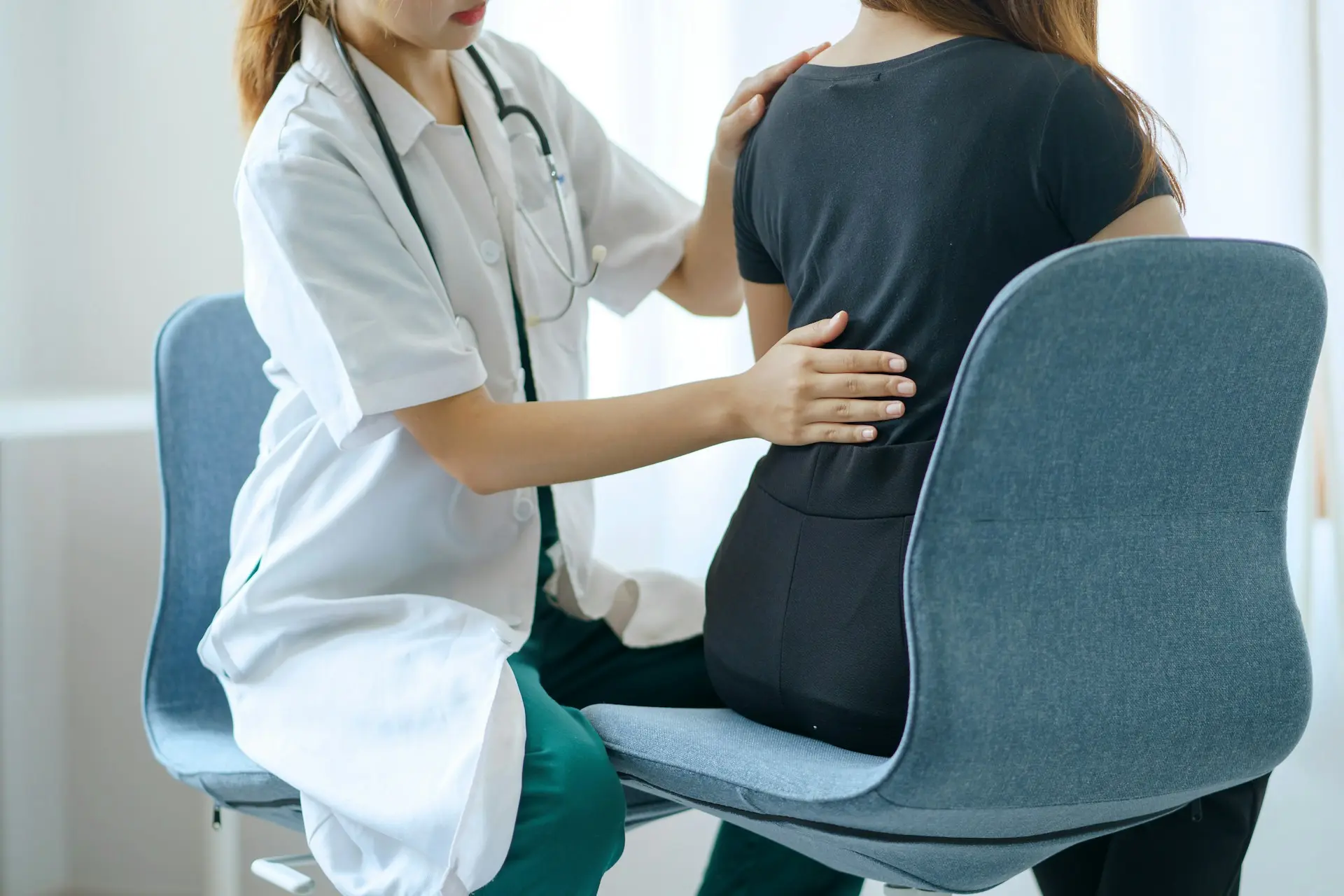
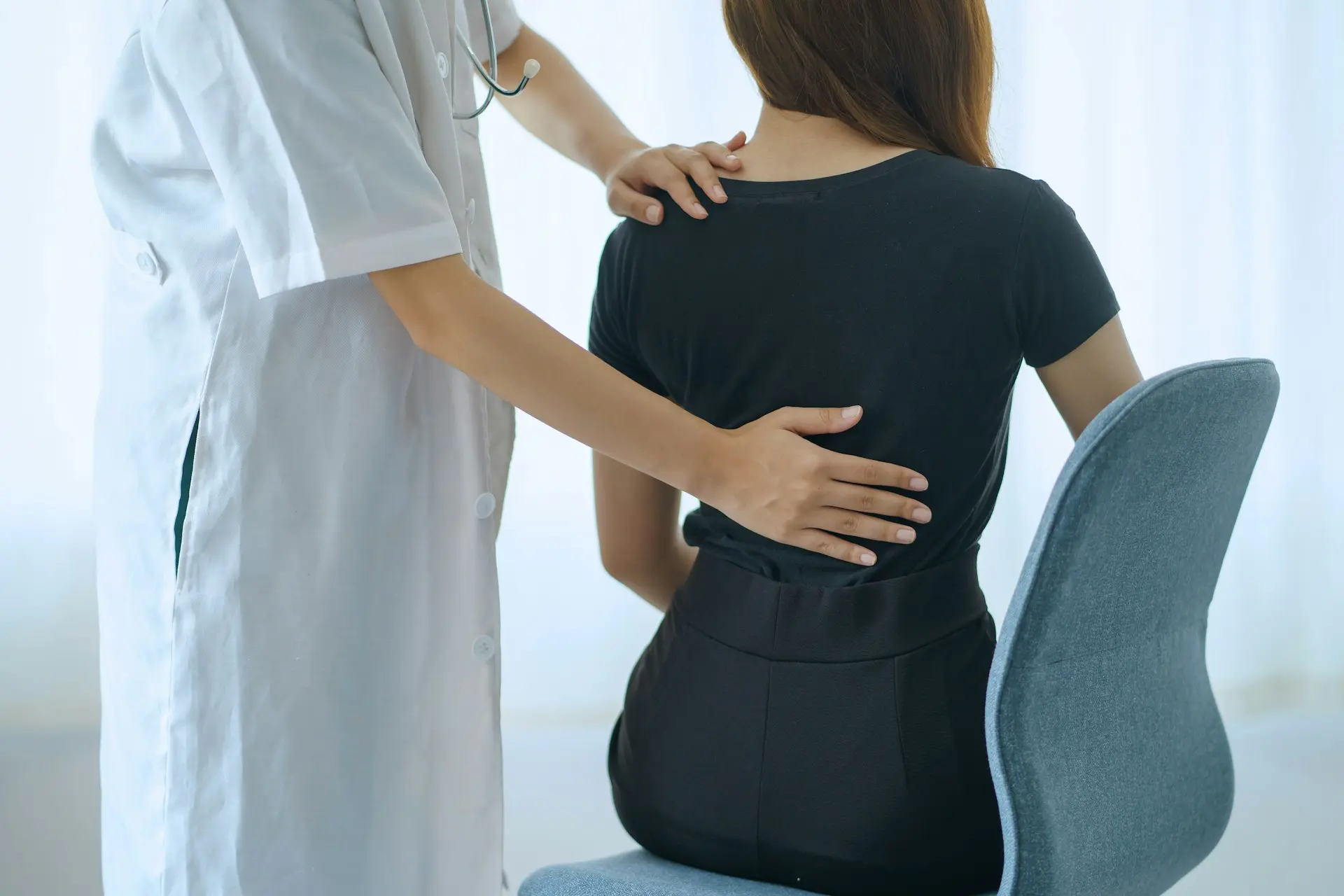
Comprehensive Musculoskeletal Examination
We assess:
- Hip range of motion.
- Gluteal muscle strength.
- Pelvic stability.
- Tendon tenderness.
- Gait and movement patterns.
- Lumbar spine and sacroiliac contributions.
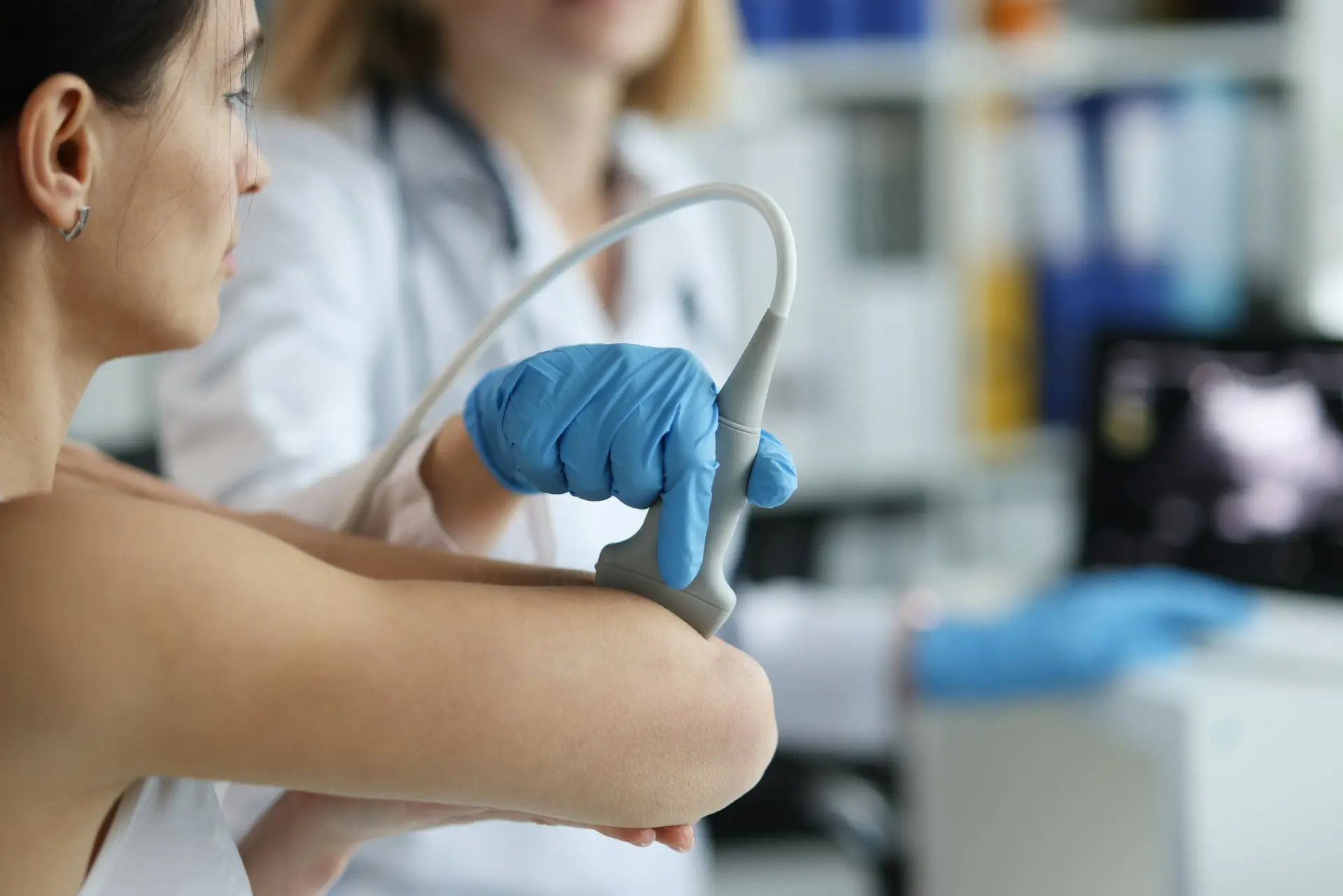
Diagnostic Musculoskeletal Ultrasound
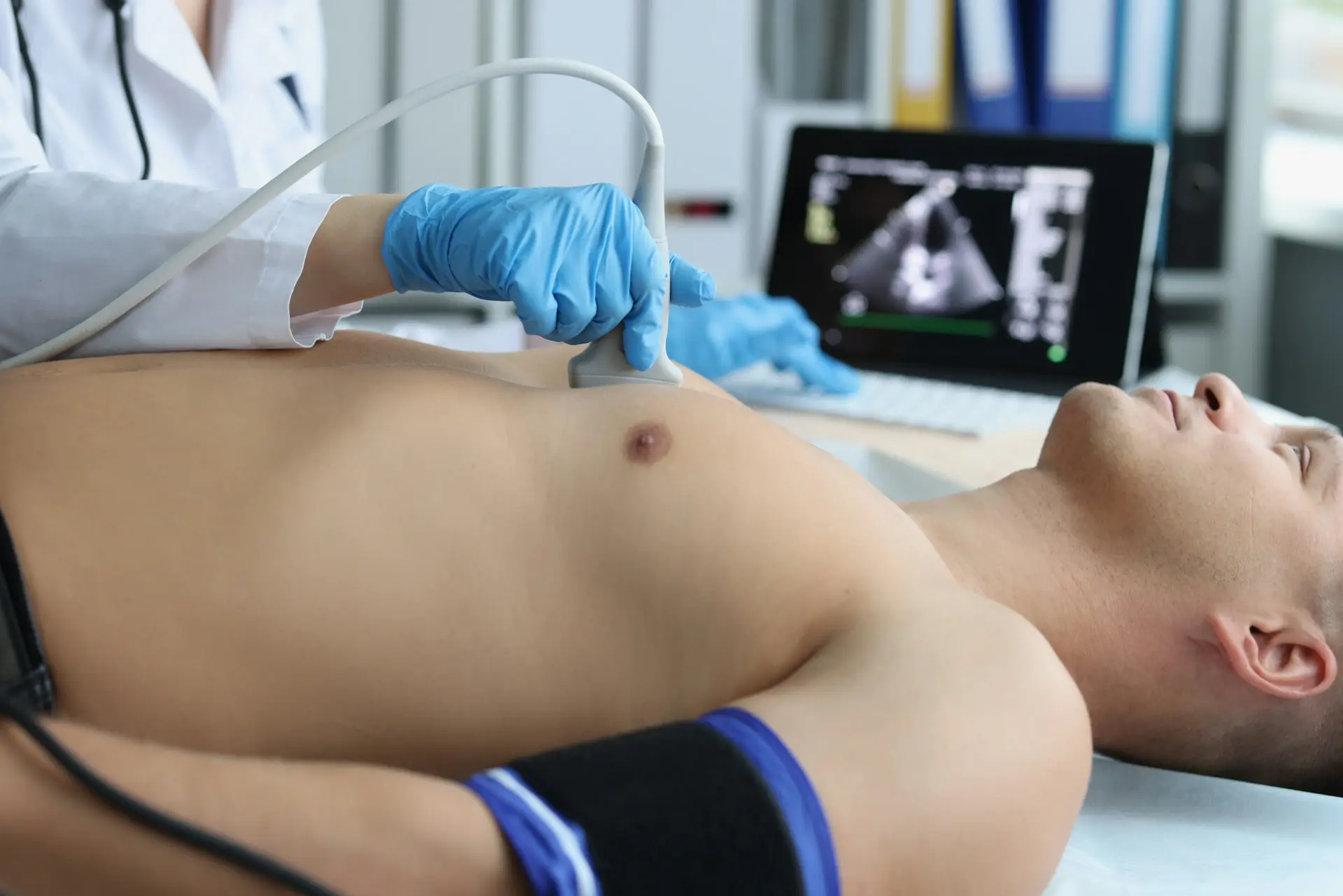
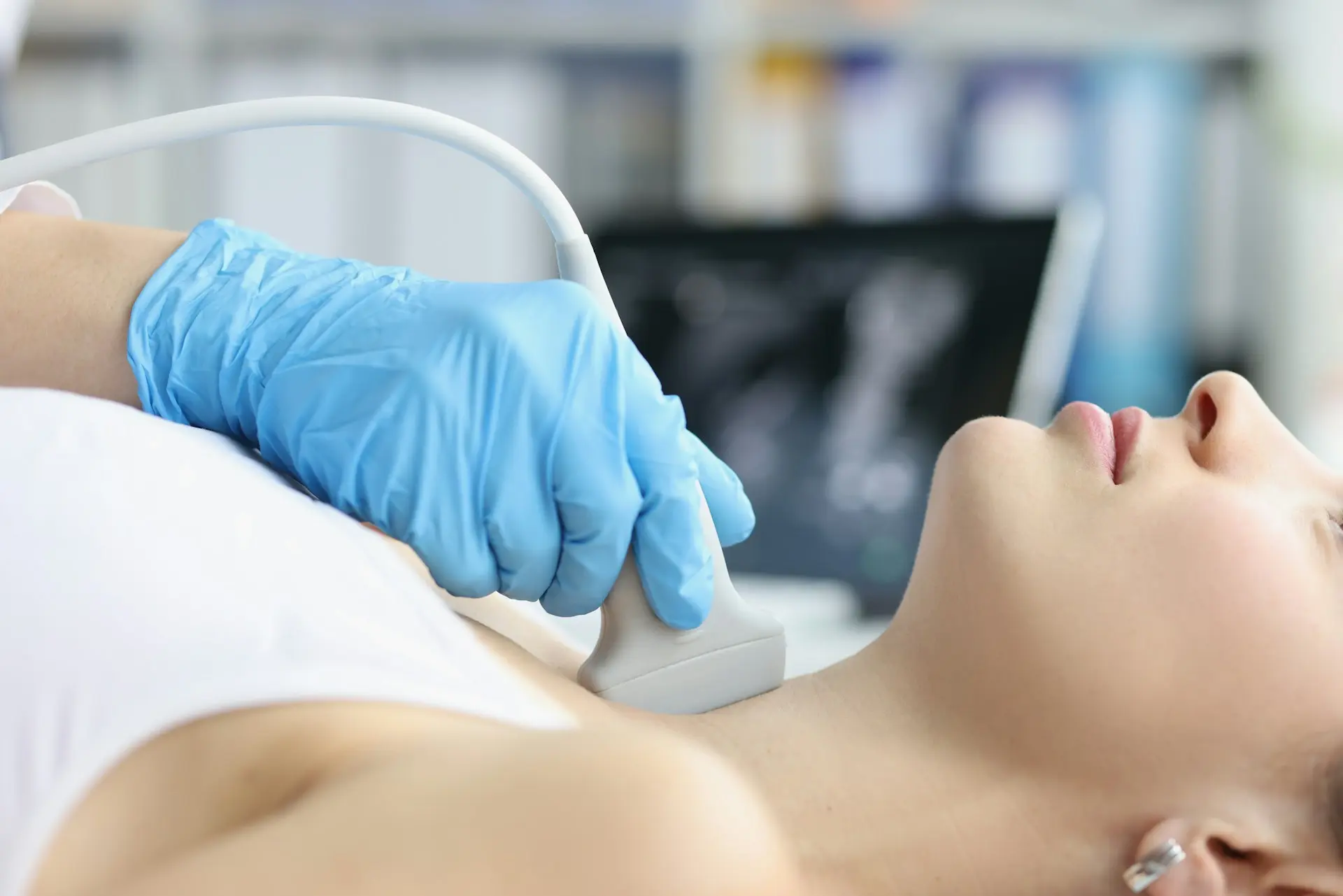
Musculoskeletal ultrasound can provide detailed visualization of superficial tendons, muscles, and surrounding soft tissues.
It may help identify:
- Gluteus medius or minimus tendon abnormalities.
- Partial tendon tears.
- Peritrochanteric bursal fluid or inflammation.
- Other accessible soft tissue abnormalities.
Ultrasound findings must be interpreted alongside the patient’s symptoms and physical examination.
MRI or other imaging may be necessary when deeper pathology, occult fracture, or intra-articular disease is suspected.
Treatment Options for Hip and Buttock Pain
Treatment depends on the underlying diagnosis.
At Barr Center, our philosophy emphasizes individualized care that addresses both symptoms and contributing mechanical factors.
Targeted Rehabilitation
Progressive hip abductor strengthening, movement retraining, and tendon-loading programs are foundational treatments for many cases of gluteal tendinopathy.
Patients may also benefit from avoiding prolonged positions that compress the gluteal tendons, such as sitting with crossed legs or lying directly on the painful hip.
Ultrasound-Guided Injections
For selected patients, image-guided procedures may be considered to improve targeting and support diagnostic accuracy.
The appropriate treatment depends on whether symptoms arise from a tendon, bursa, joint, or another structure.
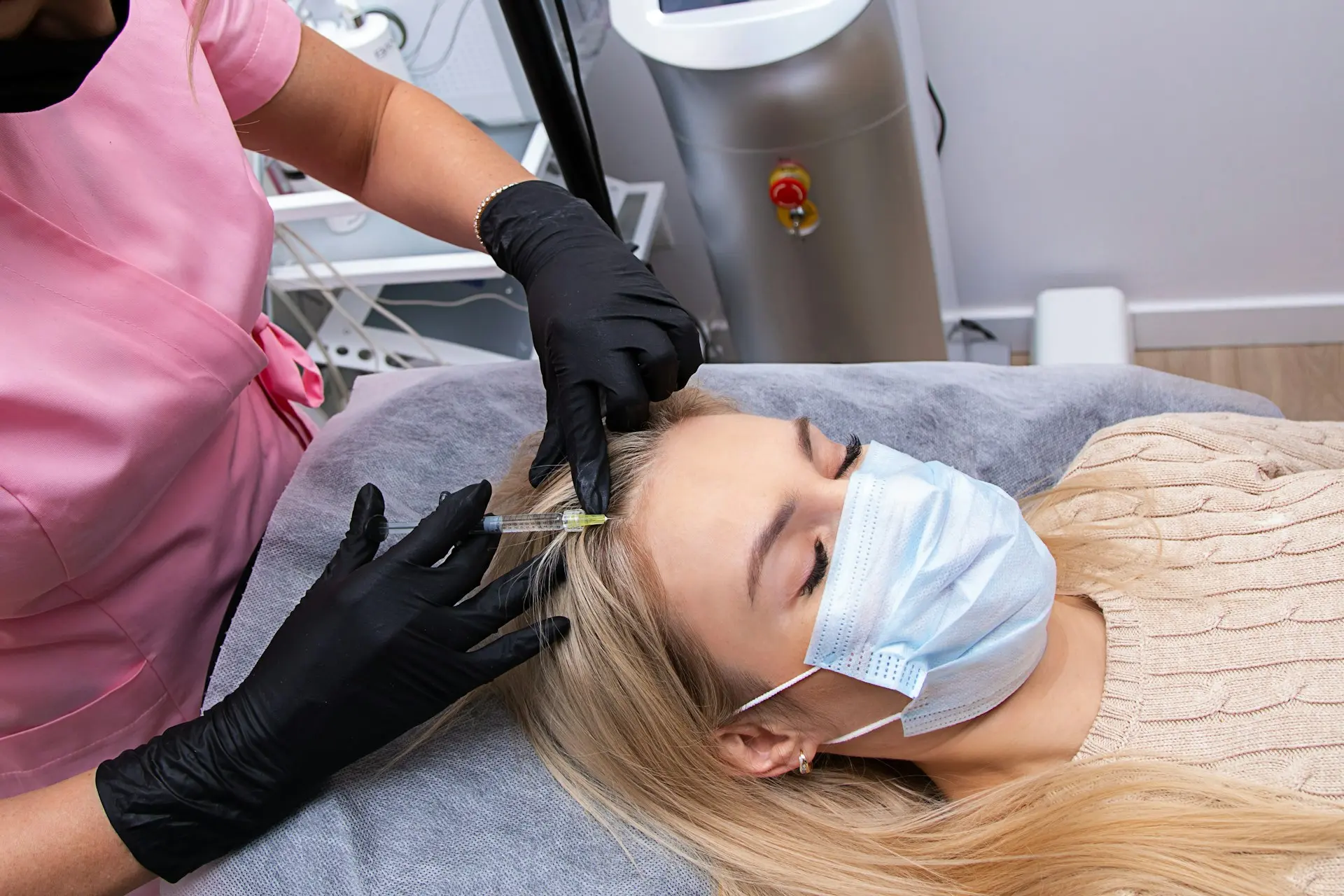
Regenerative Medicine
Platelet-rich plasma (PRP) and other regenerative approaches are being studied for selected tendon disorders.
Evidence for PRP in gluteal tendinopathy is mixed, and it is not established as superior to structured rehabilitation.
These treatments require individualized consideration of the diagnosis, clinical evidence, risks, cost, and realistic expectations.
Hormonal and Metabolic Considerations
For menopausal women, evaluation of bone health, muscle health, nutrition, and appropriate hormonal factors may complement musculoskeletal treatment.
Hormone therapy should not be considered a substitute for identifying and treating structural or mechanical causes of pain.
When Should You Seek Evaluation?
Consider a comprehensive hip assessment if you experience:
- Hip pain lasting more than several weeks.
- Difficulty sleeping because of lateral hip pain.
- Persistent buttock pain.
- Pain that limits walking or exercise.
- Increasing weakness or reduced mobility.
- Hip symptoms that have not improved with conventional treatment.
Sudden severe pain, inability to bear weight, fever, or new neurological deficits require prompt medical attention.
Frequently Asked Questions
Can menopause cause hip pain?
Menopause-related hormonal changes may contribute to joint discomfort, tendon changes, muscle weakness, and bone loss. However, hip pain can have many causes, and a proper diagnosis is important.
Why does the outside of my hip hurt when I sleep?
Pain when lying on the affected side is common in greater trochanteric pain syndrome, particularly gluteal tendinopathy.
Can low estrogen cause gluteal tendinopathy?
Estrogen influences tendon biology, but direct clinical evidence that low estrogen independently causes gluteal tendinopathy remains limited.
Is hip bursitis more common after menopause?
Lateral hip pain is common in middle-aged and older women. Many cases previously diagnosed as bursitis involve gluteal tendon pathology.
Can PRP help menopausal hip pain?
PRP may be considered for selected tendon conditions, but evidence is mixed. It does not specifically treat estrogen deficiency or all causes of menopausal hip pain.
Should I have my hormones checked if I develop hip pain?
Hormonal assessment may be appropriate when hip symptoms occur alongside other menopausal concerns. Routine estrogen testing is not necessary to diagnose most cases of hip pain or menopause in women over 45.
Find the Source of Your Hip Pain
Hip pain can interfere with walking, exercise, golf, sleep, and everyday activities.
Understanding the underlying cause is the first step toward choosing an appropriate treatment.
At Barr Center for Innovative Pain & Regenerative Therapies in Virginia Beach, we combine comprehensive musculoskeletal assessment, diagnostic ultrasound, and individualized treatment planning to help patients understand their pain and improve function.
We welcome patients from Virginia Beach, Norfolk, Chesapeake, Hampton Roads, and northeastern North Carolina.
Schedule a comprehensive hip and buttock pain evaluation at Barr Center.
Medical disclaimer: This article is intended for educational purposes and does not replace individualized medical evaluation or treatment.
Clinical References
- Wright VJ, et al. The Musculoskeletal Syndrome of Menopause. Climacteric. 2024. PMID: 39077777. Read source
- Mellor R, et al. Education plus exercise versus corticosteroid injection use versus a wait and see approach on global outcome and pain from gluteal tendinopathy: prospective, single blinded, randomised clinical trial. BMJ. 2018;361:k1662. Read source
- The Menopause Society. The 2022 Hormone Therapy Position Statement of The North American Menopause Society. Menopause. 2022;29(7):767–794. Read source
- National Institute for Health and Care Excellence. Menopause: Identification and Management. Guideline NG23. Read source