
Headaches are common, but that does not mean they are simple. For some patients, chronic headaches or migraines may be connected to neck pain, nerve irritation, inflammation, hormones, sleep disruption, metabolic health, or changes in how the body creates and uses energy.
At the Barr Center for Innovative Pain and Regenerative Therapies in Virginia Beach, we take a deeper look at headache patterns. The goal is not just to quiet symptoms temporarily. The goal is to better understand what may be contributing to the pain, why it keeps returning, and what treatment approach may help improve quality of life. For some patients, headaches may be part of a broader body-wide pattern. Pain, fatigue, brain fog, poor stress tolerance, and low resilience can sometimes point to deeper physiologic stressors, including inflammation, hormonal imbalance, musculoskeletal strain, or impaired cellular energy production.
Headaches Can Have Many Contributing Factors
Headaches are often treated as a pain problem. Sometimes they are. But in many cases, headache patterns are influenced by more than one system in the body. A headache may be related to muscle tension, irritated nerves, cervical spine dysfunction, migraine biology, hormonal shifts, inflammation, blood sugar instability, sleep problems, or stress overload. For some people, several of these issues overlap. That is why a one-size-fits-all approach often falls short. A patient with neck-related headaches may need a different plan than someone whose migraines are tied to hormones, inflammatory triggers, or poor sleep recovery.
At Barr Center, we look beyond the symptom
Head pain is the message. The deeper question is: what is driving the message?
Why Brain Energy Matters
Your brain is always working. It processes information, regulates your nervous system, manages sensory input, controls movement, responds to stress, and helps coordinate repair. Although the brain makes up only a small portion of body weight, it uses a large amount of the body’s available energy. When the brain is under stress, poorly fueled, inflamed, sleep deprived, or metabolically strained, it may become more vulnerable to headache and migraine patterns. One way to think about it is like a high-demand data center. When the energy supply is steady, the system runs more smoothly. When the supply becomes unstable, performance can drop, errors can increase, and the system becomes more reactive. For some patients, headaches may be one sign that the nervous system is not getting the support it needs.
What Is Mitochondrial Dysfunction?
Mitochondria are tiny structures inside your cells that help convert nutrients and oxygen into ATP, which is the body’s cellular energy source. When mitochondria are working well, cells are better able to create energy, recover from stress, manage inflammation, and support healthy function. When mitochondrial function is less efficient, cells may struggle to keep up with demand.
Mitochondrial dysfunction may contribute to:
- Lower usable energy
- Brain fog
- Fatigue
- Slower recovery
- Increased oxidative stress
- Poorer stress tolerance
- Greater sensitivity to skipped meals, poor sleep, or hormonal shifts
Research continues to explore the relationship between migraine, energy metabolism, and mitochondrial function. This does not mean every headache is caused by mitochondrial dysfunction. It does mean that for some patients, energy production may be an important piece of the bigger clinical picture.
The Neck, Nerves, and Headache Connection
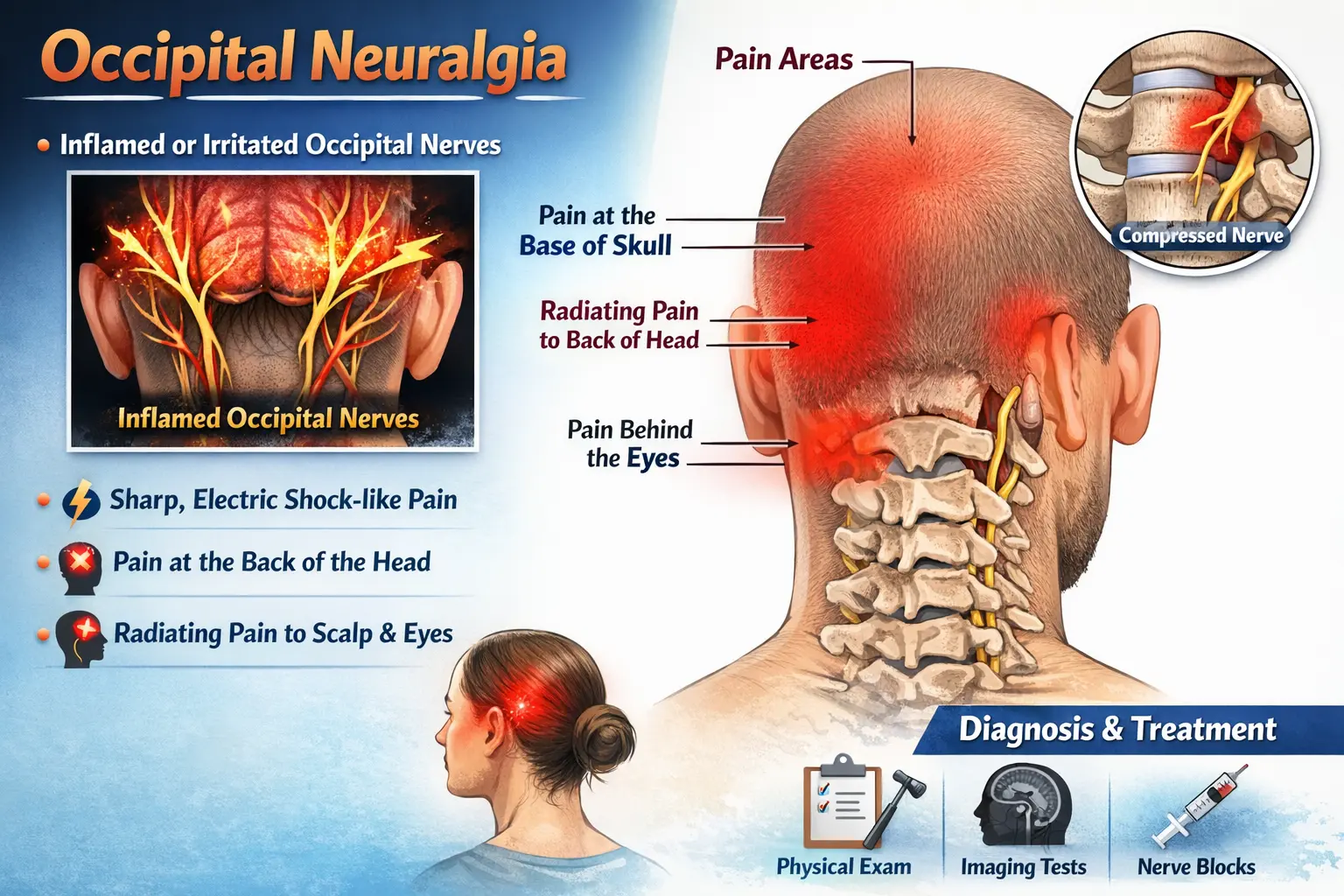
Many chronic headache patterns have a musculoskeletal component. The neck, upper back, jaw, and nerves around the head and scalp can all influence headache symptoms. Some patients experience headaches that begin at the base of the skull and travel upward. Others feel pressure behind the eyes, pain on one side of the head, tension across the forehead, or symptoms that flare after posture strain, computer work, stress, or poor sleep. Possible musculoskeletal and nerve-related contributors may include:
- Cervical spine dysfunction
- Neck muscle tension
- Occipital nerve irritation
- Facet-related pain
- Myofascial trigger points
- TMJ-related tension
- Postural strain
- Prior injury or whiplash
When these structures are involved, treatment may need to address the pain source itself, not just the headache symptoms.
Signs Your Headaches May Need a Deeper Evaluation
Occasional headaches can happen for many reasons. But recurring, worsening, or disruptive headache patterns deserve a closer look. A deeper evaluation may be appropriate if headaches occur with:
- Neck pain or stiffness
- Brain fog
- Fatigue
- Difficulty concentrating
- Migraine symptoms
- Sensitivity to light or sound
- Hormonal fluctuations
- Sleep disturbance
- Stress-triggered flares
- Afternoon crashes
- Headaches after skipped meals
- Exercise intolerance
- Feeling wired but exhausted
Important safety note
Seek urgent medical attention for a sudden severe headache, a headache with confusion or loss of consciousness, new neurologic symptoms, vision changes, fever, weakness, or a headache that is new, unusual, or steadily worsening.
Root-Cause Contributors We May Evaluate
At Barr Center, headache care may include looking at both pain generators and whole-body contributors. This can help identify why symptoms are occurring and what may be keeping the nervous system irritated.
Musculoskeletal and Nerve Contributors
- Neck pain and cervical spine dysfunction
- Occipital nerve irritation
- Muscle tension and trigger points
- TMJ-related strain
- Posture and movement patterns
Inflammatory and Metabolic Contributors
- Blood sugar instability
- Insulin resistance
- Nutrient deficiencies
- Oxidative stress
- Chronic inflammation
Hormonal Contributors
- Thyroid dysfunction
- Perimenopause and menopause changes
- Estrogen and progesterone imbalance
- Cortisol rhythm disruption
Lifestyle and Recovery Contributors
- Poor sleep quality
- Chronic stress
- Overtraining or under-recovery
- Dehydration or mineral imbalance
- Alcohol excess
Environmental and Functional Medicine Contributors
- Mold exposure
- Environmental toxin burden
- Gut dysfunction
- Chronic infections
- Neuroinflammation
The Barr Center Approach: Look for the Why
Rather than only asking how to suppress the headache, we ask why the headache pattern may be happening in the first place. Depending on the patient, evaluation may include a closer look at pain patterns, neck and musculoskeletal function, neurologic symptoms, metabolic health, hormone balance, inflammation, sleep quality, stress load, and recovery capacity.
Evaluation may include:
- Detailed headache and pain history
- Musculoskeletal and functional evaluation
- Review of neck, posture, and movement-related triggers
- Assessment of migraine patterns and symptom timing
- Review of sleep, stress, nutrition, and recovery
- Functional medicine testing when appropriate
- Hormonal and metabolic evaluation when clinically indicated
The goal is to identify the combination of contributors that may be affecting each patient, then build a plan that supports both symptom relief and better long-term function.
How Treatment May Support Headache Relief and Better Function
Treatment depends on the patient’s diagnosis, symptoms, exam findings, and overall health picture. There is no single treatment that fits every headache pattern. For some patients, care may focus on musculoskeletal pain and nerve irritation. For others, the priority may be hormone balance, inflammation, metabolic health, nutrient support, or nervous system regulation.
Musculoskeletal and Pain-Focused Care
- Targeted evaluation of neck-related pain
- Assessment of nerve irritation patterns
- Image-guided procedures when appropriate
- Rehabilitation and movement recommendations
- Regenerative medicine options when clinically appropriate
Functional Medicine and Metabolic Support
- Blood sugar and insulin assessment
- Nutrient evaluation
- Magnesium status
- Methylation support
- Inflammation and oxidative stress review
Hormonal and Recovery Support
- Thyroid assessment
- Sex hormone evaluation
- Cortisol rhythm support
- Sleep and circadian rhythm strategies
- Stress resilience and nervous system regulation
Nutritional Support for Brain and Cellular Energy
When appropriate, nutritional support may include commonly discussed nutrients related to migraine and mitochondrial health, such as magnesium, riboflavin, CoQ10, amino acids, hydration, mineral balance, and broader metabolic support. Patients should always review supplements and treatment plans with a qualified provider, especially if they take medications, are pregnant, have complex medical conditions, or have new or changing headache symptoms.
Headache Care Should Not Be One-Size-Fits-All
Headaches can be frustrating because they often affect more than the head. They can interfere with work, sleep, exercise, family time, mood, focus, and quality of life. At Barr Center, we view headache care through a broader lens. Pain may be the symptom, but the contributors can involve the neck, nerves, hormones, inflammation, metabolism, sleep, stress, and cellular energy. When those contributors are better understood, care can become more targeted, more personal, and more focused on restoring function.
Frequently Asked Questions
Can mitochondrial dysfunction contribute to migraines?
Research suggests that altered energy metabolism and mitochondrial inefficiency may play a role in migraine susceptibility for some patients. Migraine is complex, so mitochondrial function is usually considered as one possible contributor, not the only cause.
Can neck problems cause headaches?
Yes. Neck pain, cervical spine dysfunction, muscle tension, posture strain, and nerve irritation can all contribute to certain headache patterns. A clinical evaluation can help determine whether the neck is part of the problem.
Can hormones affect headaches or migraines?
Yes. Hormonal changes can affect inflammation, blood vessels, sleep, stress response, and brain energy metabolism. Some patients notice headache or migraine changes during perimenopause, menopause, menstrual cycles, or thyroid imbalance.
What nutrients are commonly discussed for migraine support?
Magnesium, riboflavin, and CoQ10 are commonly discussed as nutraceutical supports for migraine prevention. The right plan depends on the individual and should be reviewed with a healthcare provider.
When should I seek urgent care for a headache?
Seek urgent medical care for a sudden severe headache, headache with confusion, loss of consciousness, weakness, vision changes, fever, neurologic symptoms, or a headache that is new, unusual, or steadily worsening.
Ready to Look Deeper at Your Headaches?
If chronic headaches, migraines, neck pain, brain fog, fatigue, or reduced resilience are affecting your life, it may be time for a more complete evaluation. Barr Center for Innovative Pain and Regenerative Therapies in Virginia Beach offers a personalized approach to headache-related pain, functional medicine, musculoskeletal care, and root-cause evaluation. Barr Center for Innovative Pain and Regenerative Therapies Virginia Beach, Virginia Serving Virginia Beach, Hampton Roads, and Northern North Carolina Contact Barr Center