
Osteoarthritis is often described as simple wear and tear, but that explanation does not tell the whole story. Today, osteoarthritis is better understood as a condition that can affect the whole joint. It can involve cartilage, bone, ligaments, tendons, muscles, inflammation, metabolism, movement patterns, and overall health.
For many patients, that broader understanding is good news. It means osteoarthritis care does not have to stop at pain medication, steroid injections, or waiting until joint replacement becomes the only option.
At Barr Center for Innovative Pain and Regenerative Therapies in Virginia Beach, we take a more comprehensive approach. Our goal is to help patients reduce pain and improve function. We support joint health and help patients stay active when possible. We use personalized treatment plans. Plans may include regenerative medicine, functional medicine, nutrition, exercise, and lifestyle changes.
What Is Osteoarthritis?
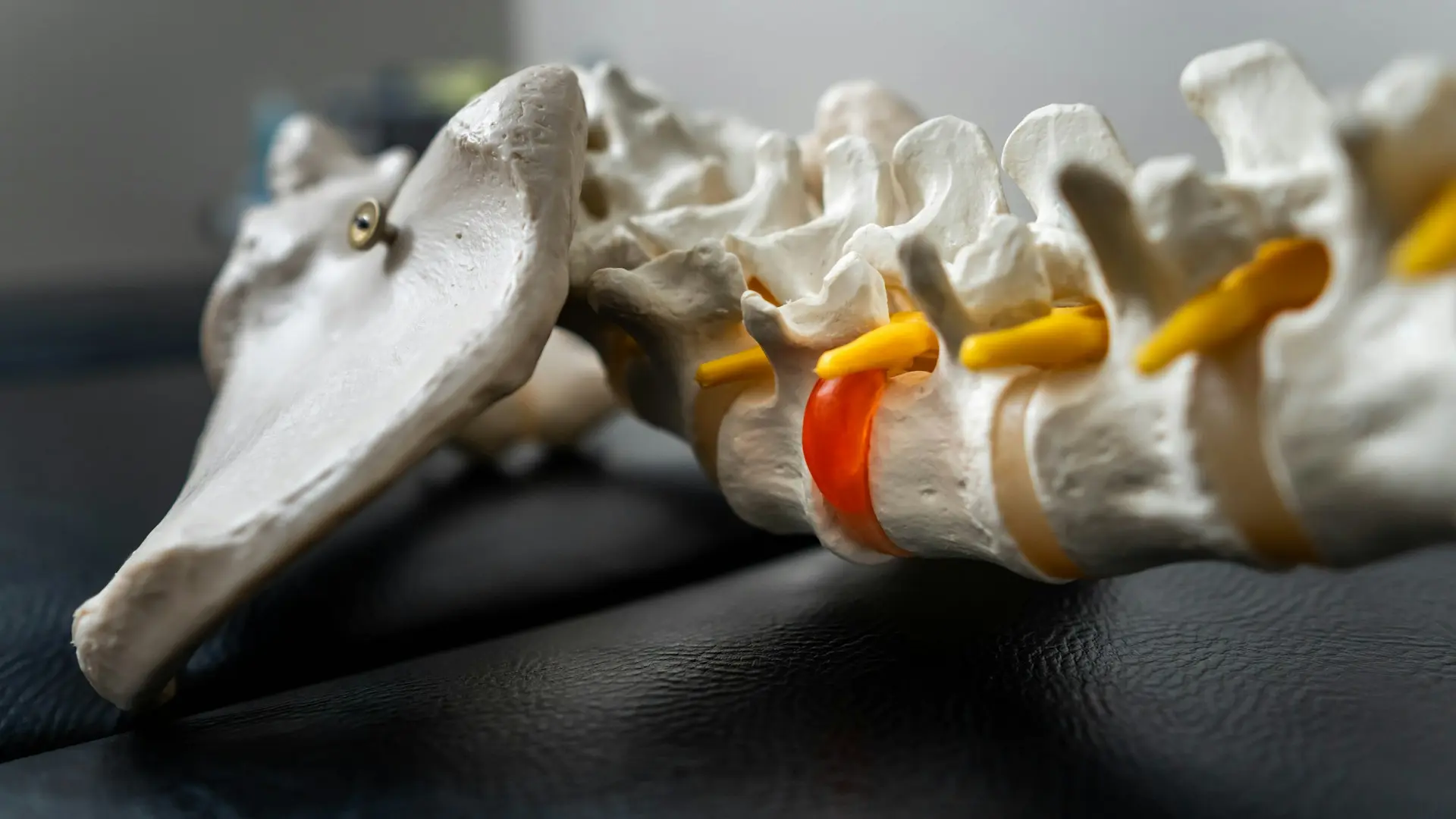
Osteoarthritis, often called OA, is the most common form of arthritis. It can affect the knees, hips, shoulders, hands, spine, and other joints.
Although age can increase risk, osteoarthritis is not simply an unavoidable part of getting older. OA may develop through a combination of mechanical, inflammatory, metabolic, and cellular factors.
Osteoarthritis may involve:
- Cartilage degeneration
- Chronic low-grade inflammation
- Joint instability
- Ligament laxity
- Muscle weakness
- Mechanical overload
- Metabolic dysfunction
- Oxidative stress
- Cellular aging
- Changes in the surrounding bone and soft tissue
Understanding these contributors allows for a more targeted treatment plan than simply masking pain.
What Does “Biohacking” Osteoarthritis Mean?
The word biohacking gets used in a lot of different ways. In this context, it means using evidence-informed strategies to improve the body’s internal environment, support joint function, and reduce factors that may worsen pain or inflammation.
For osteoarthritis, the goal is not to chase a quick fix. The goal is to support the systems that influence joint health, movement, repair, inflammation, strength, and resilience.
The goal is a better joint environment
Osteoarthritis care works best when it looks at the whole picture: the joint itself, the surrounding muscles, the immune system, metabolism, sleep, nutrition, movement quality, and the patient’s long-term goals.
Rather than relying on one treatment alone, many patients do best with a layered plan that addresses multiple contributors at the same time.
1. Build Muscle to Protect the Joint
One of the most important strategies for osteoarthritis is building and maintaining muscle. Strong muscles help absorb force, support alignment, improve balance, and reduce stress on painful joints.
This is especially important for adults over age 50, when age-related muscle loss can accelerate. Less muscle can mean less joint support, more instability, and more pain with everyday activity.
A joint-supportive exercise plan may include:
- Progressive resistance training
- Hip and core stabilization
- Balance and proprioception exercises
- Eccentric strengthening
- Gait and movement retraining
- Blood flow restriction training when appropriate
- Neuromuscular electrical stimulation for selected patients
The right exercise plan should be specific to the patient, the affected joint, the level of arthritis, and the patient’s current strength and mobility.
2. Optimize Body Composition, Not Just Weight
For weight-bearing joints such as the knees and hips, excess body weight can increase joint load. Even modest weight loss may reduce stress across painful joints.
But weight loss should not come at the expense of muscle. For osteoarthritis, preserving or building muscle is often just as important as reducing fat mass.
A healthier body composition plan may include:
- Adequate protein intake based on individual needs
- Resistance training
- Anti-inflammatory nutrition
- Blood sugar and insulin assessment when appropriate
- Metabolic support
- Strategies to preserve lean muscle during weight loss
For some patients, medications that support weight loss may be appropriate. When used, they should be paired with nutrition and strength strategies that help protect muscle mass.
3. Use Nutrition to Help Reduce Inflammation
Food can influence inflammation, blood sugar, body composition, gut health, and recovery. For patients with osteoarthritis, nutrition is not a side topic. It can be part of the treatment foundation.
A Mediterranean-style eating pattern is often a helpful starting point because it emphasizes nutrient-dense foods that support metabolic and inflammatory health.
Anti-inflammatory nutrition may include:
- Colorful vegetables
- Berries and other antioxidant-rich fruits
- Fatty fish
- Extra virgin olive oil
- Nuts and seeds
- Herbs and spices
- Adequate protein
- Fiber-rich foods
Reducing ultra-processed foods, refined sugar, and excess alcohol may also help lower systemic inflammatory stress.
4. Correct Metabolic Dysfunction
Osteoarthritis is not only a mechanical joint problem. Research increasingly connects osteoarthritis with metabolic health, including insulin resistance, inflammation, oxidative stress, and body composition.
When blood sugar and insulin are poorly regulated, the body may be more prone to inflammation and slower recovery. This can affect joints, muscles, nerves, blood vessels, and overall energy.
At Barr Center, evaluation may include:
- Blood sugar and insulin markers
- Inflammatory markers
- Body composition considerations
- Nutritional status
- Hormonal and metabolic contributors when appropriate
Improving metabolic health may support not only joint function, but also cardiovascular health, brain health, energy, and longevity.
5. Support Mitochondrial Health
Mitochondria are the energy-producing structures inside your cells. They help power muscle function, tissue repair, recovery, and healthy cellular activity.
As mitochondrial function declines, cells may have a harder time managing inflammation, repairing stress, and maintaining healthy tissue. This may matter in osteoarthritis because cartilage cells, muscle cells, immune cells, and repair processes all require energy.
Mitochondrial support may include:
- Regular exercise
- Adequate sleep
- Protein and nutrient sufficiency
- Magnesium status
- Vitamin D optimization when needed
- Creatine when appropriate
- Coenzyme Q10 when appropriate
- Alpha-lipoic acid when appropriate
- Acetyl-L-carnitine when appropriate
Supplement decisions should be individualized, especially for patients taking medications or managing complex medical conditions.
6. Consider Regenerative Medicine When Appropriate
Regenerative medicine is one of the most discussed areas in modern osteoarthritis care. These treatments are not meant to simply numb pain. They are intended to improve the biologic environment around the joint and support the body’s natural repair processes when clinically appropriate.
Not every patient is a candidate, and outcomes vary depending on the joint, severity of arthritis, tissue quality, age, activity level, and overall health.
Platelet-Rich Plasma, or PRP
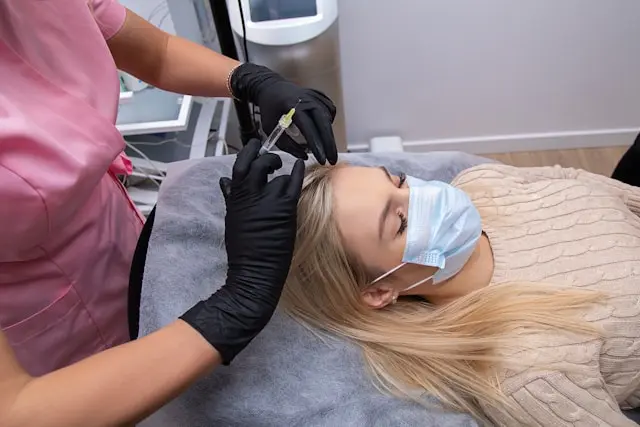
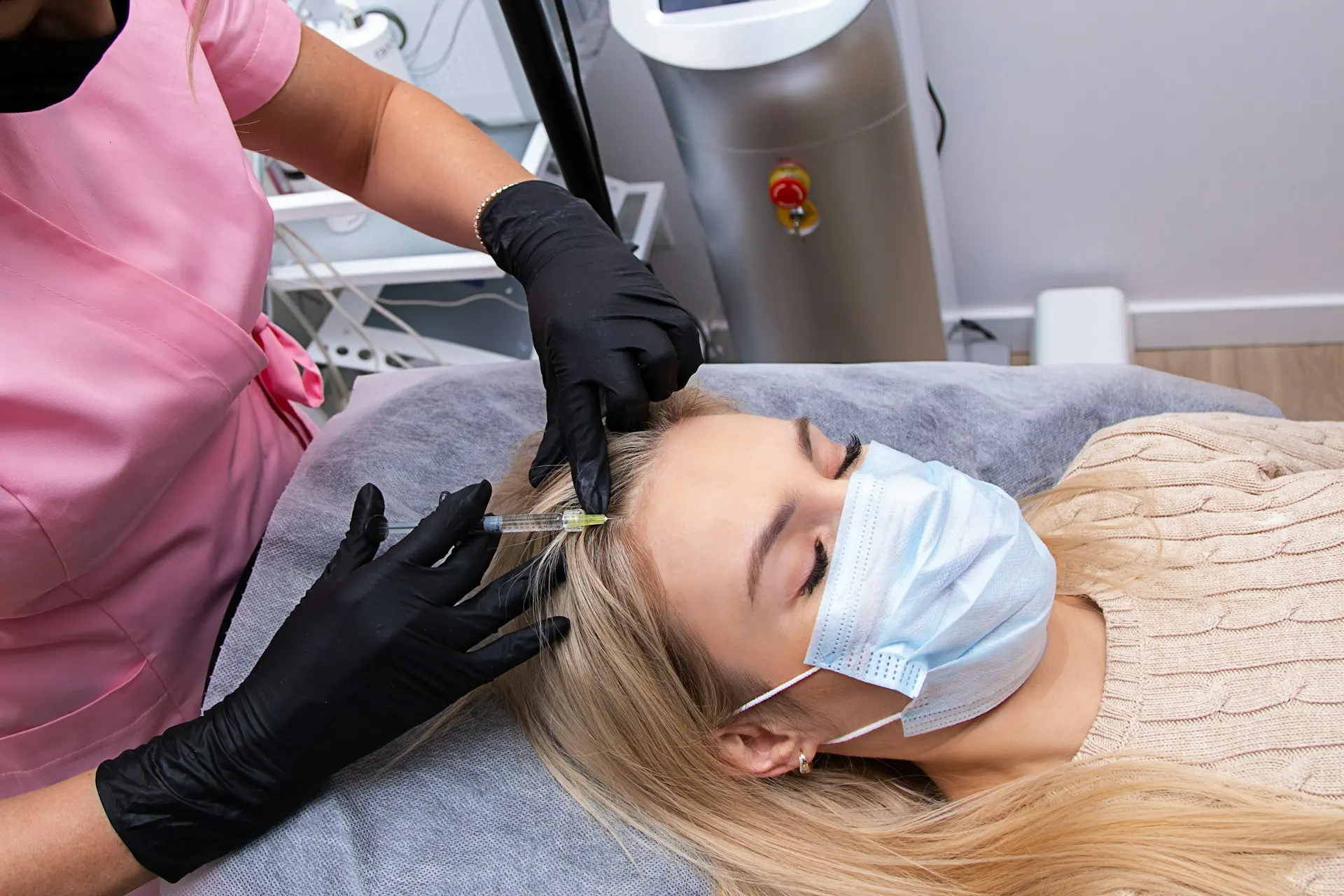
PRP uses a concentrated portion of the patient’s own blood to deliver platelets and growth factors into the treatment area. PRP is commonly discussed for knee osteoarthritis and other musculoskeletal conditions because it may help support tissue repair signaling and reduce inflammatory irritation in selected patients.
Prolotherapy
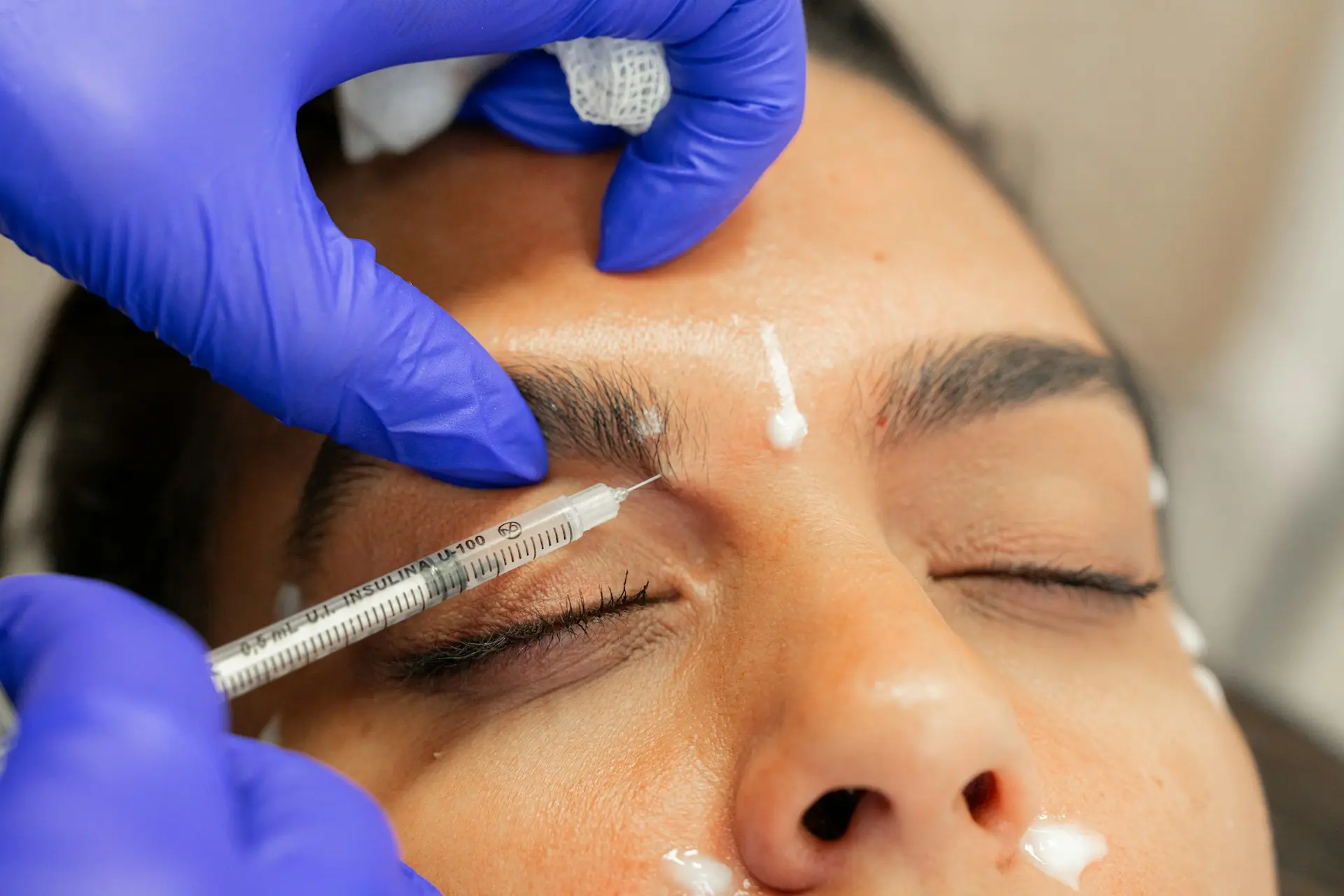
Prolotherapy may be considered for patients with ligament laxity, joint instability, or chronic soft tissue irritation. The goal is to stimulate a localized healing response that may improve support around the joint.
Advanced Orthobiologic Options
In selected cases, more advanced orthobiologic options may be discussed. These require careful evaluation, clear expectations, and a provider-guided conversation about risks, benefits, evidence, cost, and regulatory considerations.
Personalization matters
The right regenerative approach depends on the patient. A treatment that makes sense for one knee, hip, shoulder, or hand may not be appropriate for another.
7. Improve Joint Mechanics
Joints often hurt more when they are not moving efficiently. Poor mechanics can increase stress on cartilage, ligaments, tendons, muscles, and surrounding tissue.
For example, knee pain may be influenced by hip weakness, poor foot mechanics, limited ankle mobility, or core instability. Shoulder arthritis may be influenced by posture, scapular mechanics, and rotator cuff strength.
Mechanical contributors may include:
- Hip weakness
- Gluteal inhibition
- Poor ankle mobility
- Foot pronation
- Core instability
- Abnormal gait patterns
- Postural strain
- Movement compensation after injury
Addressing these issues can help reduce abnormal joint stress and support better long-term function.
8. A Careful Note on Emerging Peptide Therapies
Certain peptides, including BPC-157, TB-500, and KPV, are being discussed for their potential roles in tissue repair and inflammation. However, human research in osteoarthritis remains limited, and these therapies should be considered investigational.
Patients should have a thoughtful discussion with a knowledgeable clinician about possible risks, benefits, quality concerns, legal and regulatory considerations, and whether any peptide therapy is appropriate for their situation.
This is an area where caution matters. “Promising” does not mean proven, and popular does not always mean safe or appropriate.
9. Improve Sleep and Recovery
Sleep has a major effect on pain sensitivity, inflammation, immune function, hormone balance, and tissue recovery. Poor sleep can make pain feel worse and make it harder for the body to repair.
For patients with osteoarthritis, sleep support may be an important part of the care plan, especially when pain, fatigue, stress, or inflammation are ongoing.
Better sleep may support:
- Lower pain sensitivity
- Improved recovery after exercise
- Healthier immune regulation
- Hormonal balance
- Energy and mood
- Overall quality of life
10. Explore Supportive Therapies Such as Red Light and PEMF
Some patients ask about supportive therapies such as photobiomodulation, commonly called red light therapy, and pulsed electromagnetic field therapy, or PEMF.
These therapies are being explored for their potential effects on pain, inflammation, mitochondrial function, circulation, and tissue recovery. Research is still evolving, and protocols vary.
When appropriate, these options may be considered as adjunctive therapies. They should not replace strength training, nutrition, metabolic support, medical evaluation, or clinically appropriate treatment.
11. Optimize Hormones and Nutritional Health
Healthy joints depend on more than cartilage. Muscle, bone, hormones, vitamins, minerals, and overall tissue quality all influence how the body moves and recovers.
For some patients, evaluation may include:
- Vitamin D status
- Bone health
- Hormone balance
- Thyroid function when appropriate
- Muscle health
- Nutritional deficiencies
- Inflammatory and metabolic markers
Addressing these factors may improve musculoskeletal resilience and help the body respond more effectively to treatment.
12. Understand the Gut-Joint Connection
The gut microbiome can influence immune activity, inflammation, metabolism, nutrient absorption, and overall health. Emerging research suggests that gut health may also play a role in systemic inflammation that can affect joint symptoms.
A functional medicine approach may include:
- Anti-inflammatory nutrition
- Increased dietary fiber
- Polyphenol-rich foods
- Gut microbiome evaluation when clinically indicated
- Targeted support for dysbiosis when appropriate
Gut health is not the only driver of osteoarthritis, but it may be one piece of the larger inflammation and recovery picture.
Why a Comprehensive Strategy Works Better Than a Single Treatment
Osteoarthritis rarely has one single cause. That is why one treatment alone may not be enough.
Many patients benefit from addressing several contributors at the same time, including joint mechanics, muscle strength, inflammation, metabolic health, nutrition, sleep, stress, and regenerative options when appropriate.
A comprehensive osteoarthritis plan may include:
- Musculoskeletal evaluation
- Strength and movement support
- Nutrition and metabolic optimization
- Weight and body composition support
- Functional medicine evaluation
- Regenerative medicine when appropriate
- Sleep and recovery strategies
- Long-term joint preservation planning
The goal is not only to reduce pain today. The goal is to help patients move better, function better, and stay active for as long as possible.
Why Patients Choose Barr Center
At Barr Center for Innovative Pain and Regenerative Therapies in Virginia Beach, we focus on identifying and treating the contributors to musculoskeletal pain whenever possible, rather than simply covering up symptoms.
Our personalized treatment plans may include:
- Comprehensive musculoskeletal evaluation
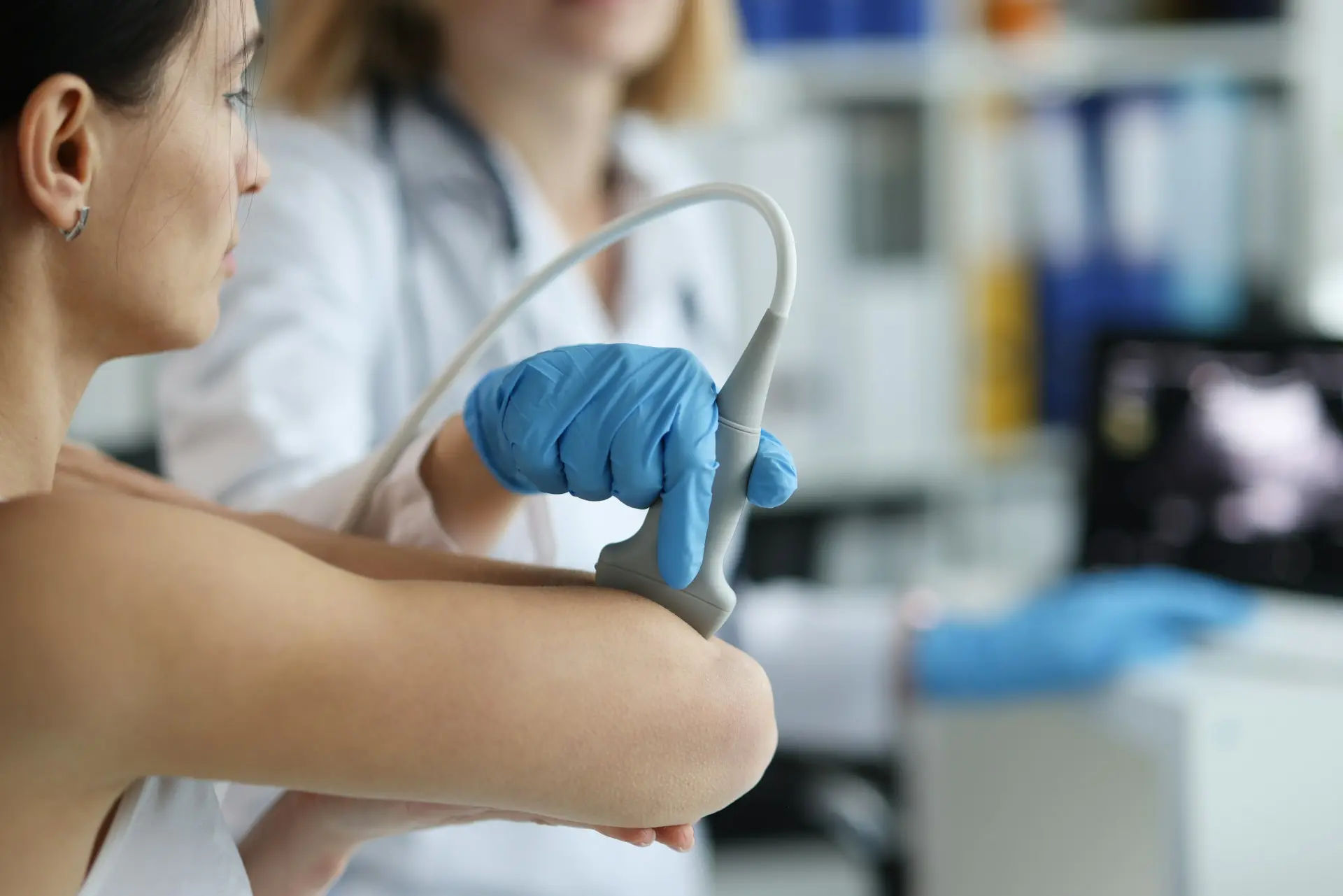
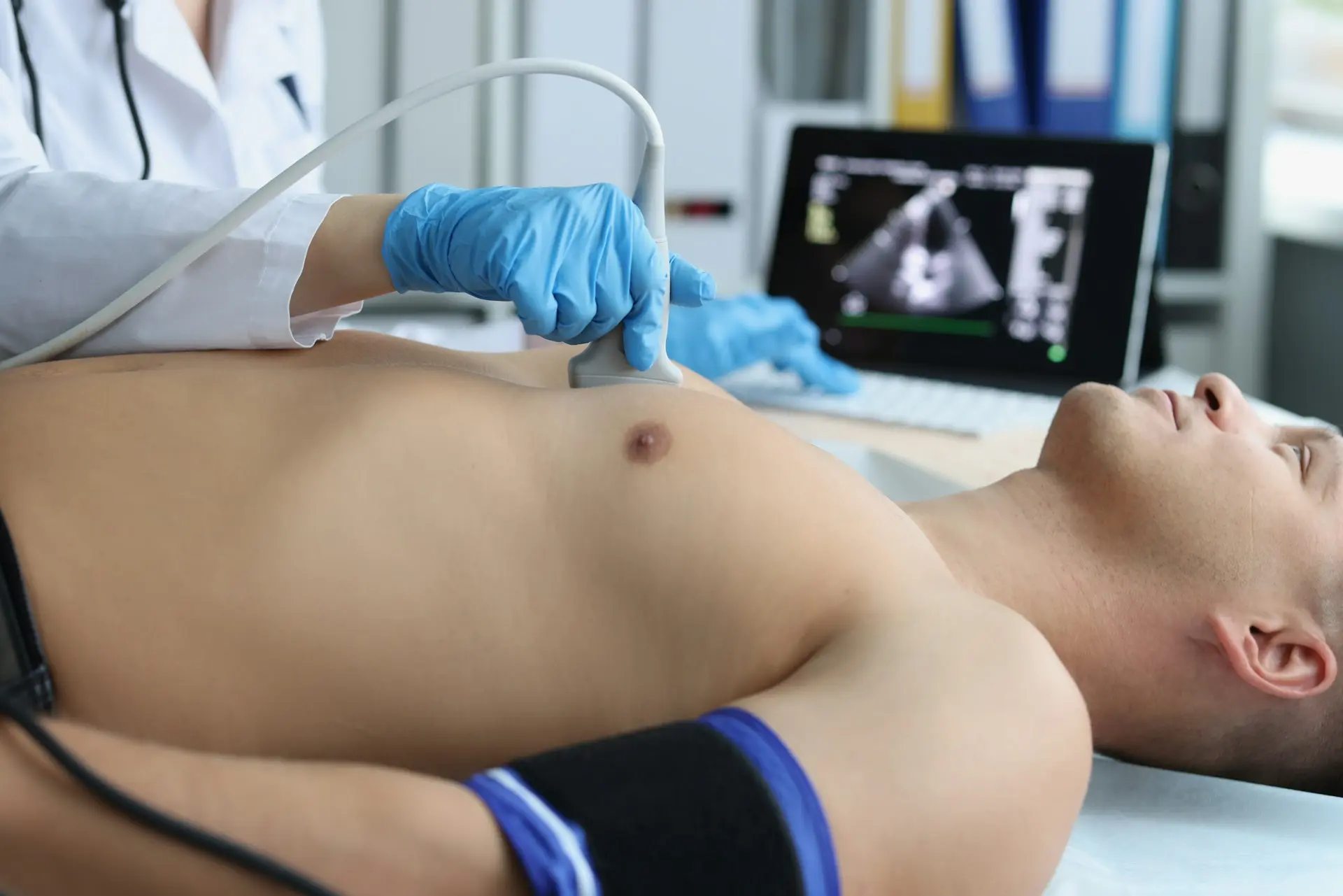
- Diagnostic ultrasound
- Ultrasound-guided injections
- Platelet-Rich Plasma, or PRP
- Prolotherapy
- Functional medicine evaluation
- Nutrition counseling
- Exercise and rehabilitation recommendations
- Lifestyle optimization
- Advanced regenerative medicine options for appropriate candidates
Our goal is simple: help patients reduce pain, improve function, stay active, and delay or avoid surgery whenever possible.
Frequently Asked Questions
Can osteoarthritis be reversed?
Severely damaged cartilage generally cannot be fully restored. However, many patients can reduce pain, improve function, and slow progression through a comprehensive plan that supports strength, inflammation control, metabolic health, and joint mechanics.
Is PRP better than cortisone for osteoarthritis?
PRP and corticosteroid injections serve different purposes. Corticosteroids may provide short-term symptom relief, while PRP is intended to support the joint environment and may provide longer-lasting benefit for selected patients. The right choice depends on the patient and the joint being treated.
Are supplements enough to treat osteoarthritis?
Supplements may play a supportive role, but they are rarely enough by themselves. Osteoarthritis usually responds best to a broader plan that includes strength training, nutrition, movement support, weight or body composition management, and appropriate medical care.
Is joint replacement surgery inevitable?
No. Some patients eventually need joint replacement, but many are able to manage osteoarthritis for years with the right combination of lifestyle changes, rehabilitation, medical care, and regenerative options when appropriate.
What is the best natural treatment for osteoarthritis?
There is no single best treatment for everyone. Strength training, anti-inflammatory nutrition, healthy body composition, sleep, metabolic support, and movement optimization are often important foundations. Some patients may also benefit from regenerative medicine or functional medicine evaluation.
Take the Next Step Toward Healthier Joints
If joint pain is limiting your ability to stay active, the team at Barr Center for Innovative Pain and Regenerative Therapies can help identify possible contributors to your symptoms and develop a personalized treatment plan.
Whether you are trying to avoid surgery, return to golf, tennis, pickleball, hiking, or simply enjoy everyday activities with less pain, our goal is to help you move better and live better.
Barr Center for Innovative Pain and Regenerative Therapies
Virginia Beach, Virginia
Serving Virginia Beach, Hampton Roads, and Northern North Carolina