Buttock pain is a common yet often misunderstood complaint. While many patients assume their discomfort originates from the lumbar spine or “sciatica,” pain in the buttock region may arise from numerous structures including deep gluteal muscles, pelvic stabilizers, ligaments, sacroiliac structures, and the coccyx. At Barr Center for Innovative Pain & Regenerative Therapies, we specialize in identifying overlooked causes of buttock pain and creating precision-guided non-surgical treatment plans.
Piriformis syndrome occurs when the piriformis muscle, a deep external rotator of the hip, becomes tight, inflamed, or dysfunctional and irritates the nearby sciatic nerve. This may lead to buttock pain, numbness, tingling, or radiating pain down the posterior leg.
Common symptoms include:
The obturator internus is another deep pelvic stabilizer and hip rotator that can contribute to deep gluteal syndrome. Dysfunction in this muscle can mimic piriformis syndrome and is frequently missed unless specifically evaluated.
Symptoms may include:
Coccydynia refers to pain originating from the coccyx, or tailbone. This pain can radiate into the buttocks and pelvic floor and may become debilitating with sitting.
Common causes include:
Many cases of buttock pain are mislabeled as lumbar radiculopathy or generic sciatica. However, deep gluteal syndrome and coccygeal disorders require a nuanced physical exam, biomechanical assessment, and often diagnostic image-guided injections to identify the true pain generator.
Our evaluation process may include:
Treatment is customized based on the exact diagnosis and may include:
Focused on gluteal mechanics, pelvic stability, hip mobility, and deep rotator retraining.
Particularly helpful for coccyx pain and obturator internus dysfunction.
Precise placement into the piriformis, obturator internus, coccygeal joints, or surrounding ligaments.
Used when nerve irritation contributes to pain patterns.
These may support healing in chronic tendinous, ligamentous, or soft tissue injury patterns.
Helpful when ligamentous instability or coccygeal hypermobility is identified.
You should seek advanced evaluation if:
Barr Center for Innovative Pain & Regenerative Therapies in Virginia Beach specializes in complex musculoskeletal and nerve pain conditions using advanced diagnostics, ultrasound-guided precision injections, and regenerative medicine approaches designed to treat pain at its source, not simply mask symptoms.
Yes. Piriformis syndrome can irritate the sciatic nerve and create radiating leg pain similar to lumbar sciatica.
Tailbone pain may occur from instability, prolonged sitting, pelvic floor dysfunction, degeneration, or repetitive microtrauma.
Diagnosis is typically made through a specialized physical exam, imaging review, and often confirmed with a diagnostic injection.
Absolutely. Many cases originate from the deep gluteal muscles, SI joint, pelvic structures, or coccyx rather than the lumbar spine.
Dr. Lisa Barr is a leading pain management physician in Virginia Beach with over 35 years of experience diagnosing and treating spine, joint, nerve, and musculoskeletal pain. As a Board Certified PM&R specialist, she focuses on whole-body, non-surgical solutions that uncover the true root cause of pain. She is also the international bestselling author of Outsmart Your Pain and one of the region’s most experienced experts in regenerative medicine, PRP, and advanced biologic therapies.
The Barr Center for Innovative Pain and Regenerative Therapies, led by Dr. Lisa Barr, is dedicated to helping people in pain. With over forty years of experience, Dr. Barr and her staff offer a range of evaluation and treatment options, including osteopathic assessment, trigger point injections, prolotherapy, and regenerative therapies. They prioritize a caring atmosphere and involve patients in their own care, ensuring they understand the recommended treatments. If necessary, they collaborate with other professionals to provide a comprehensive approach. Dr. Barr’s expertise has been recognized with the Top Doc award for thirty years.
Our approach to patient care at Barr Center is always focused on establishing a positive doctor-patient relationship that leads to enhanced function and quality of life. We strive to use non-medication-based therapies as our goal is to get you moving again and medication-free.
Dr. Lisa Barr discusses what to expect during an initial visit to the Barr Center. Patients are encouraged to fill out new patient paperwork beforehand to help identify potential causes of pain. Upon arrival, patients will be processed and taken to an exam room for a history and physical examination. The goal is to identify root causes and triggering events that may be contributing to the pain. A comprehensive treatment plan will be developed based on the findings.
The cold laser has been called “The Therapy” of the 21st century. In over 1,700 publications, there have been no recorded negative side-effects. This versatile tool is totally safe, non-toxic, and easy to use.
Over the past thirty years of using cold laser therapy, it has become one of the most versatile conjunctive tools we have ever used. It has potent synergistic effects with regenerative and nutritional therapies. It is both doctor and patient friendly. This promising tool is called the cold laser, the soft laser, the low-power laser, or the low-level laser. The term laser is an acronym for Light Amplification by Stimulated Emissions of Radiation.
All lasers emit coherent, focused light that travels in a narrow beam in one direction. High Power, “hot” lasers have shorter wavelengths, which have catabolic effects that can deliberately destroy tissue in cauterizing and surgical applications. Low Power, “soft”, “cool”, or “cold” lasers have longer wavelengths that have anabolic effects that promote rapid reduction of pain, accelerate healing time, and accelerate growth and repair.
Cold lasers or low-level laser therapy (LLLT) have stimulative effects rather than destructive ones. Clinical applications of the cold laser have included acute and chronic pain reduction from many etiologies, inflammation reduction, enhanced tissue healing, and cell regeneration. The results have shown very rapid pain reduction and accelerated recovery times, far exceeding conventional methods.
The Barr Center lasers made history by becoming the first to receive FDA market clearance for the treatment of chronic pain and increasing range of motion, proven through two double blind IRB studies.
Our Erchonia Lasers are the most advanced lasers on the market, with their sleek revolutionary design, patented line generated beam, and the ability to program independent frequencies in all of their family of lasers. It has been found to be extremely beneficial for enhancing and accelerating wound healing and reducing acute inflammation.
Unlike high power lasers that use heat and destroy tissue, low energy lasers affect the cellular energy of the underlying tissue. Hot lasers have a thermal effect and have an output of 1MW or above. Cold (or) Low Level Lasers do not have a thermal effect on tissue: lasers that stimulate biological function have an output below 10mw- milliwatts (ten- one thousandths of a watt).
With over 200 clinical studies – many of which are double-blind, placebo-controlled – and in excess of 2,000 published articles on LLLT (low-level laser therapy), this innovative technology has a well-documented research and application history. Having grown far beyond its distant Institutional Review Board (IRB) and experimental treatment status, LLLT is now being considered a therapy of choice for difficult pain management challenges such as fibromyalgia and myofascial pain.
Low Level Laser Therapy for pain is FDA-cleared to successfully treat many conditions such as acute and chronic pain reduction, repetitive use disorders like carpal tunnel syndrome, soft tissue strains and sprains, inflammation reduction, enhanced tissue wound healing, and cell regeneration.
Barr Center cold laser therapy for pain is low risk and has a high therapeutic benefit. Find out how cold laser therapy for pain may be helpful to you!
Contact us via email at info@BarrCenter.com or call 757-578-2260.
Dr. Lisa Barr provides an instructional video on how to use handheld lasers, explaining the process of turning on the laser, logging in, and accessing settings. Dr. Barr demonstrates how to navigate the screen and select the desired mode as well as reviewing the preprogrammed settings for different conditions and the laser’s ability to boost healing after regenerative medicine treatments.
Scar tissue can create an abnormal electrical signal in the autonomic nervous system. This signal is then transmitted through the autonomic nervous system throughout your body.
This is why a scar in one part of your body can cause pain in another area that is not even in close proximity to the scar.
Interference fields have lower electrical potentials than surrounding tissue. Electrical currents will flow from areas of higher voltage to areas of lower. Because of the disruption in electrical activity due to the presence of scar tissue, mixed signals are sent through the body’s nervous system. As a result, the body will react in ways that can lead to chronic pain and/or illness.
Cells in interference fields have an abnormal electrical charge on the cell surface. This results in abnormal signals being sent from the nerves to the brain (abnormal afferent signals). These signals then trigger abnormal autonomic nervous system responses. Local anesthetics affects the cells by stabilizing the membrane and normalizing the electrical charge. Even if the effects last for a short time, it allows for improved cellular metabolism, creating a healthier cellular environment and helping to stabilize the system. The improved cellular metabolism allows toxins to leave the cells and nutrients to enter, thereby reducing pain.
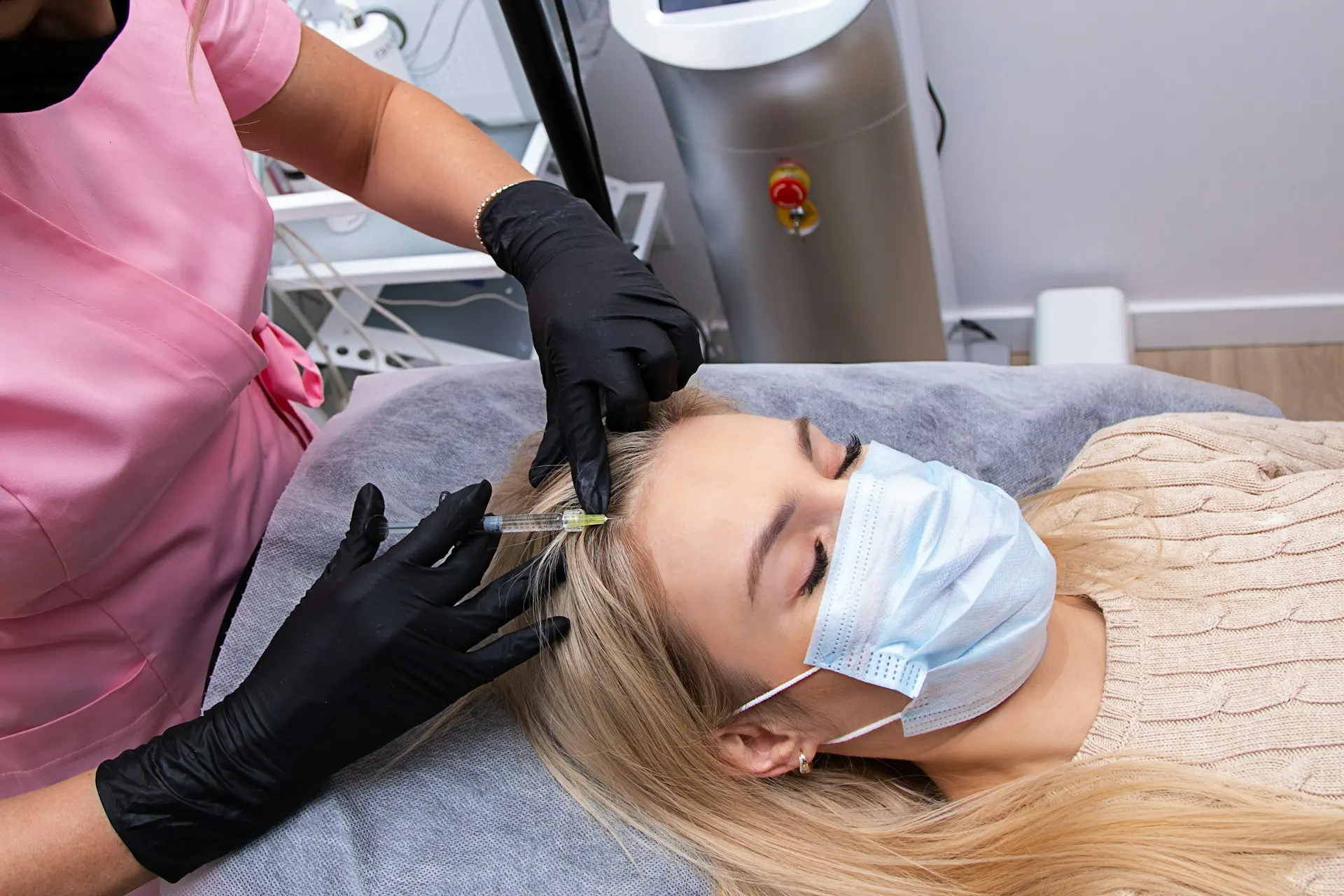
The injections are done using a very fine needle directed just below the skin (subcutaneously) into scars, nerves, acupuncture points, glands and trigger points. Sometimes deep injections are performed into the ganglia (a cluster of nervous tissue) or into a plexus (a network of nerves). The injections are done to eliminate the interference and restore the body’s natural energy flow.
After injecting the scar, sometimes a small amount of local anesthetic is injected into a vein, which helps stabilize the nervous system. Also, at times we inject small “blebs” of local anesthetic in a segmental fashion over other areas of the body where interference patterns or areas of abnormal electrical activity are found.
Dr. Lisa Barr of the Barr Center for Innovative Pain and Regenerative Therapies explains that spinal injections are performed in the fluoroscopy suite to address various pain issues. Barr Center uses X-ray equipment to accurately identify and target painful structures, injecting a combination of local anesthetic and steroids. The suite is used for diagnostic injections to pinpoint the source of pain and prescribe appropriate treatment. Epidural injections and radiofrequency ablation procedures are also performed in the fluoroscopy suite to alleviate chronic pain caused by arthritis. The goal of Barr Center is to help patients become pain-free.
Rejuvenation means boosting the body’s natural ability to heal itself. Regenerative medicine holds the promise of definitive, affordable health care solutions that heal the body from within. At the Barr Center we believe that under the right set of conditions the body has the capacity to heal itself. Regenerative therapies are a set of tools that we can use to reduce inflammation and facilitate healing in injured and degenerated joints, tendons and ligaments.
Dr. Barr and her staff have been at the forefront of regenerative medicine. She was the first physician to implement PRP, bone marrow-derived stem cells and fat grafting into practice in Hampton Roads over 20 years ago. She has successfully treated many patients, including professional golfers, with a variety of regenerative therapies for spinal, joint and tendon issues. Dr. Barr monitors the latest advances in regenerative medicine by regularly attending international conferences on
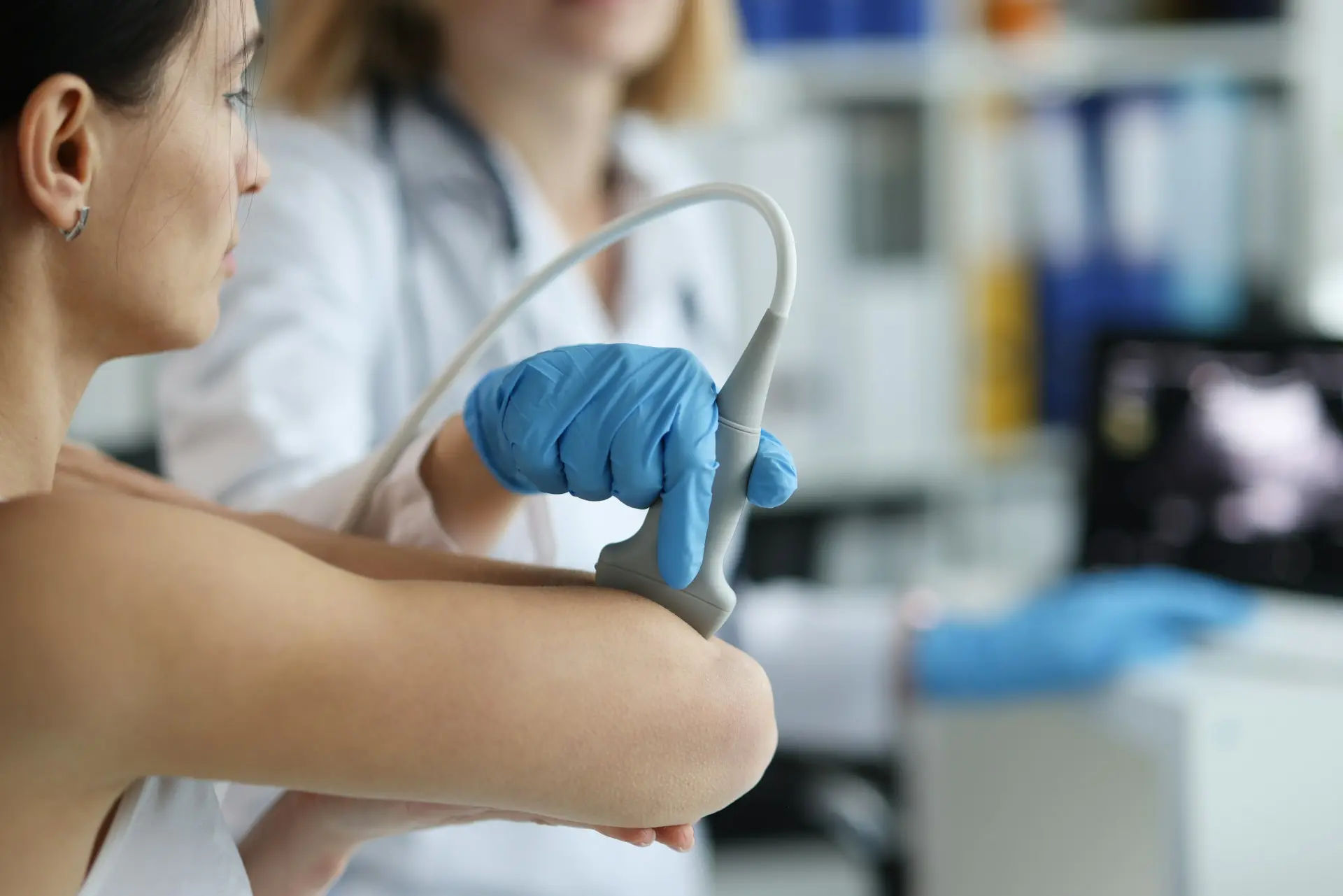
Regenerative Medicine, and she enjoys bringing back to our area the newest proven technologies. To complement her experience in regenerative medicine, she has advanced training in musculoskeletal ultrasound and interventional spinal injections. This is a key component to our success since these are mostly non-surgical treatments and the key to maximizing treatment outcomes for any regenerative therapy is optimal needle placement. Regenerative Medicine is ever-expanding. New concepts of managing inflammation and promoting tissue healing are being developed. Once we determine the best treatment option for you, be it PRP (Platelet Rich Plasma), Prolotherapy, Prolozone Therapy, Bone marrow concentrate, fat grafting, amniotic stem cells or a combination of modalities, we can perform the procedure in our office on the same day. The injections are performed using a small needle, cold spray and local anesthesia. To ensure optimal needle placement and maximize treatment outcomes, all regenerative therapies are performed at the Barr Center under image guidance using either ultrasound or x-ray. The entire process can take as little as 60 minutes. Within several days of undergoing most regenerative therapies, you can return to normal activities within 4-7 days.
Experiencing Pain? Reach Out For Medication-Free Treatment