How We Evaluate and Treat Bursitis at Barr Center
If you are searching for bursitis treatment in Virginia Beach, this guide explains what bursitis is, how it develops, and how we evaluate and treat it at Barr Center for Innovative Pain & Regenerative Therapies.
What Is Bursitis?
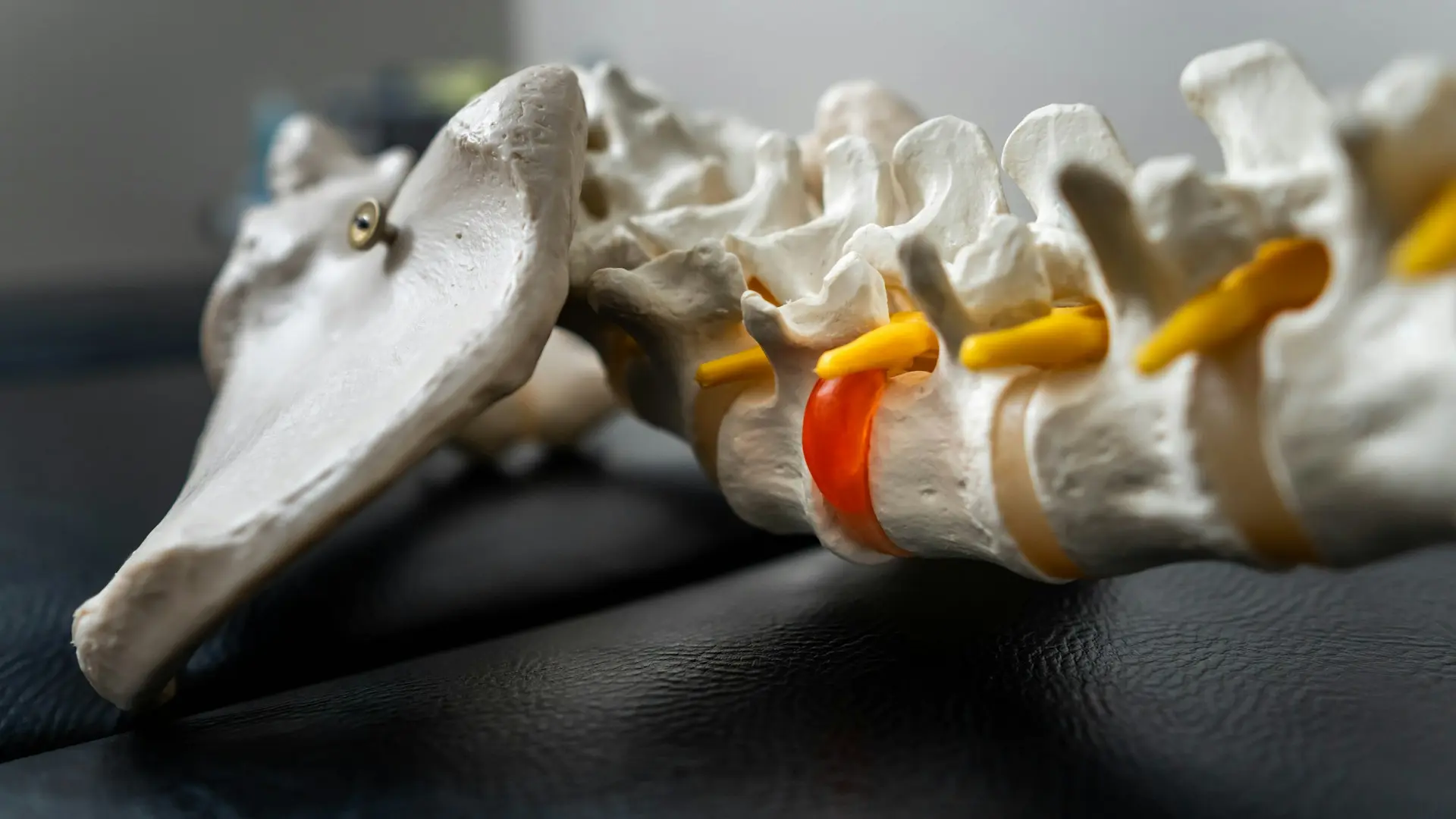
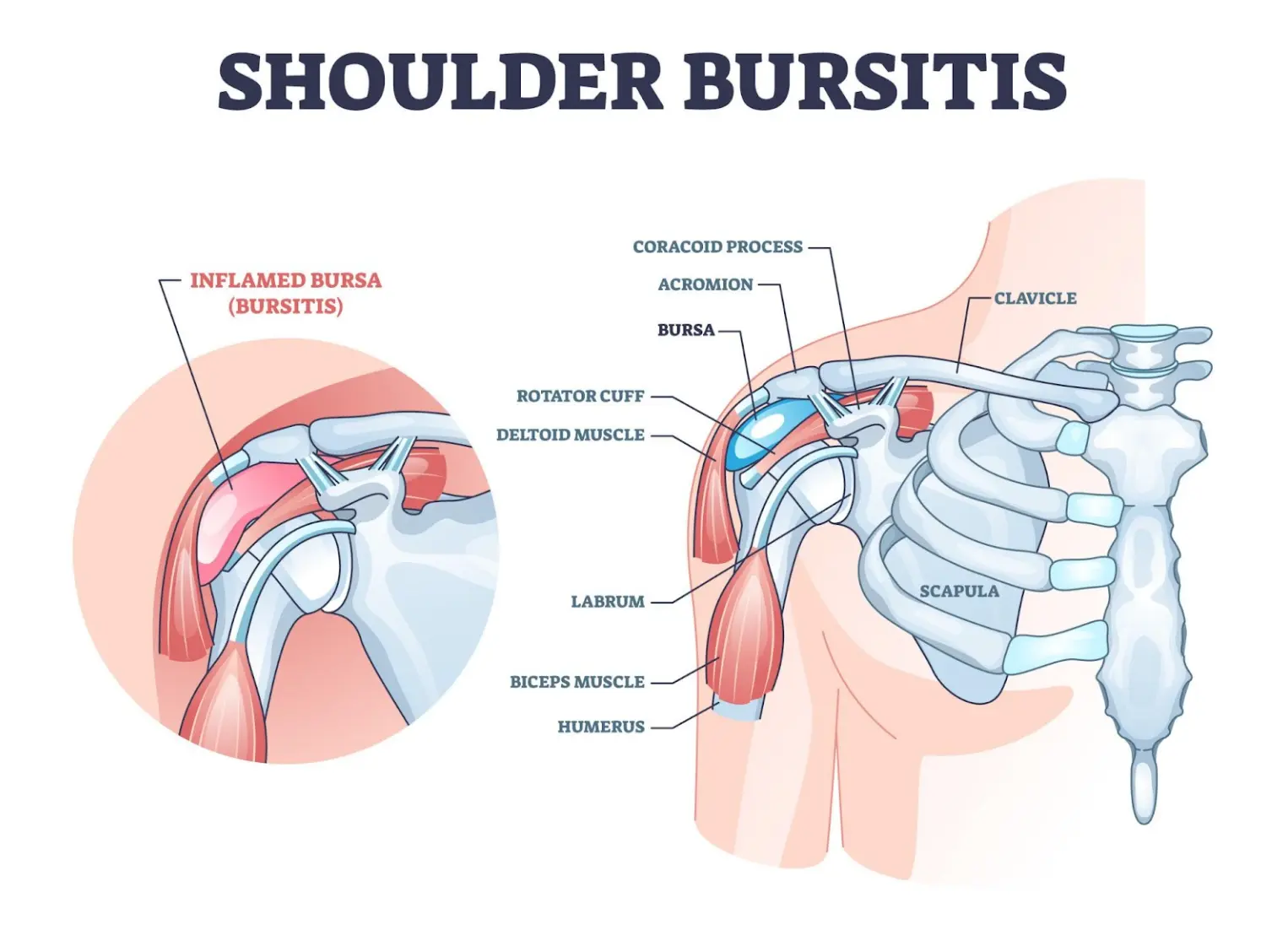
Bursitis is inflammation or irritation of a bursa, which is a small fluid-filled sac that reduces friction between tendons, muscles, and bones.
Bursae act like cushions. When irritated, they swell and become painful.
Simple Definition
Bursitis is inflammation of a bursa, a small fluid-filled sac that cushions joints and reduces friction between tissues. It can cause localized pain, swelling, and tenderness near a joint.
Common Types of Bursitis
At Barr Center, we commonly treat:
- Shoulder bursitis (subacromial bursitis)
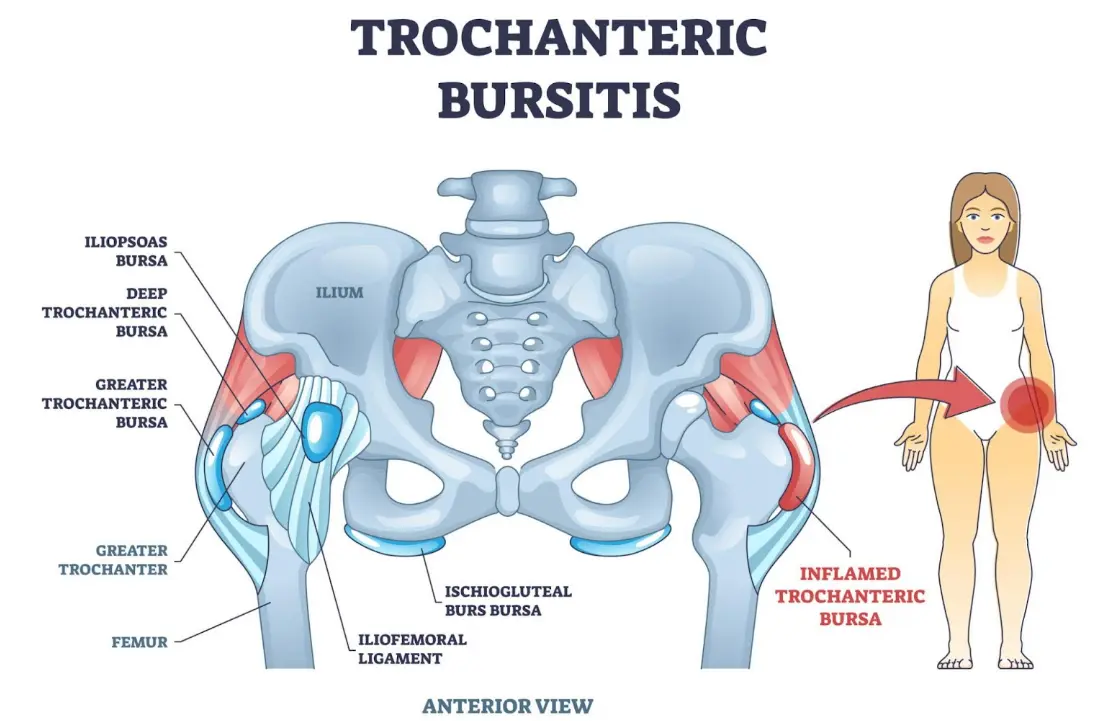
- Trochanteric bursitis
- Prepatellar bursitis
- Olecranon bursitis
- Pes anserine bursitis
Many cases are labeled simply as bursitis, but there is often an underlying mechanical cause that also needs to be addressed.
Symptoms of Bursitis
- Localized joint pain
- Swelling
- Warmth or tenderness
- Pain with movement
- Pain when lying on the affected side, which is common in hip bursitis
Pain is usually focal and reproducible with pressure over the bursa.
What Causes Bursitis?
Bursitis develops when a bursa becomes irritated from excessive friction or pressure.
Common Causes
- Repetitive movement or overuse
- Direct trauma
- Poor biomechanics
- Asymmetries such as scoliosis and leg length discrepancies
- Tendon dysfunction
- Joint instability
- Inflammatory conditions
Important Insight
Most chronic bursitis is not just inflammation. It is often secondary to tendon overload or joint instability.
If the root cause is not corrected, bursitis often returns.
How We Evaluate Bursitis at Barr Center
At Barr Center, we do more than confirm inflammation. We work to identify why it developed.
Detailed Clinical Assessment
We evaluate:
- Activity patterns
- Movement mechanics
- Instability
- Associated tendon pain
- Prior injuries
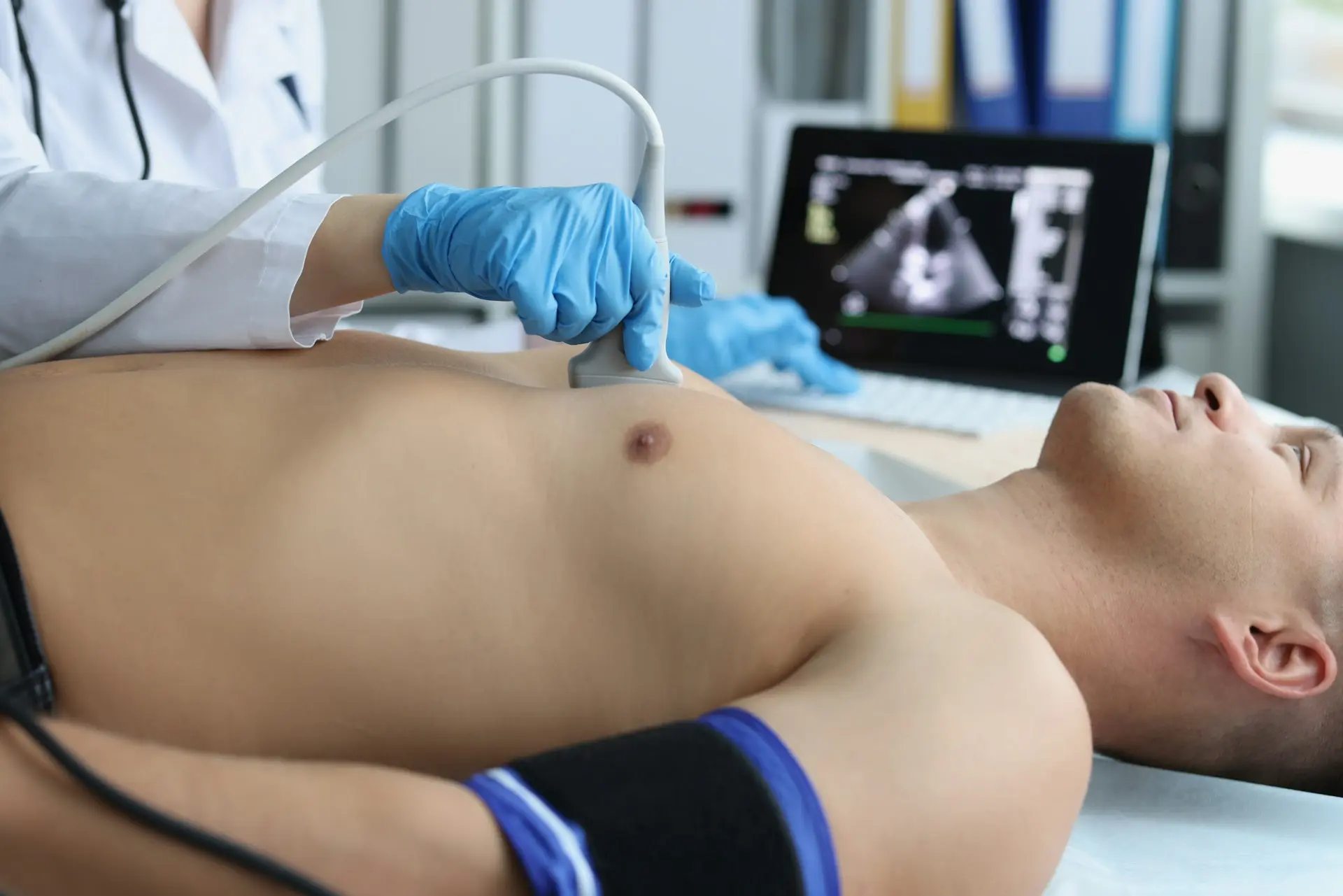
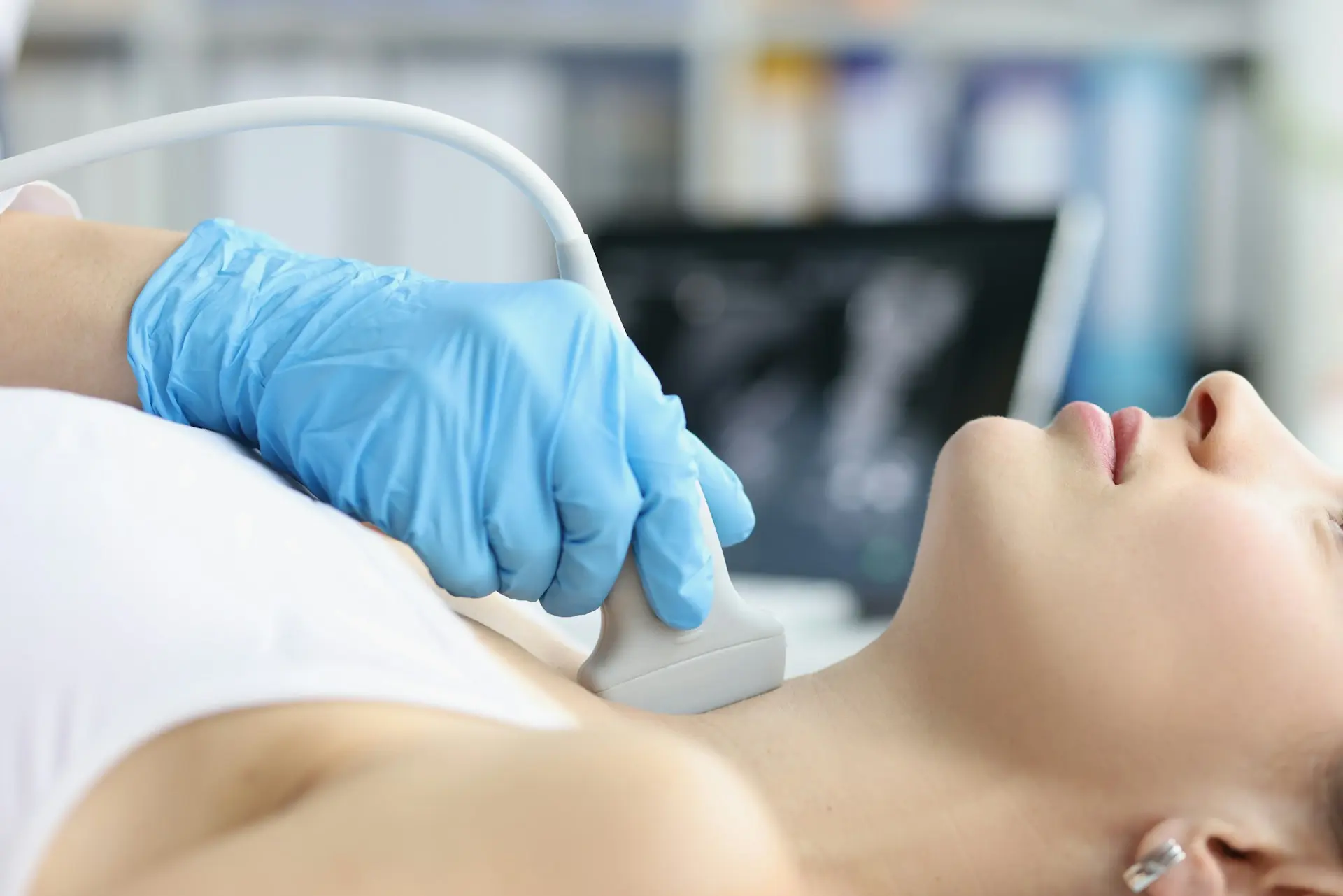
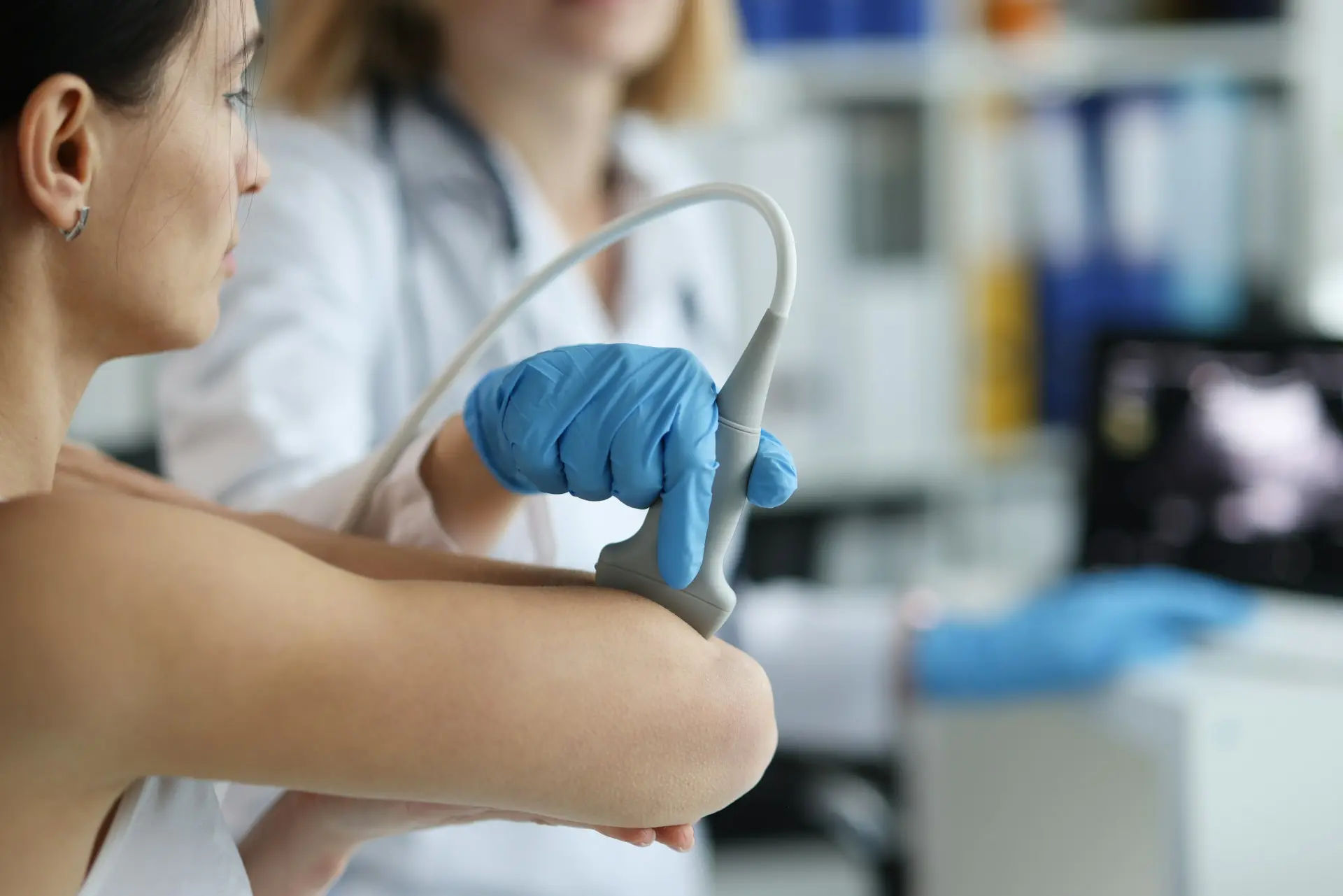
Musculoskeletal Ultrasound
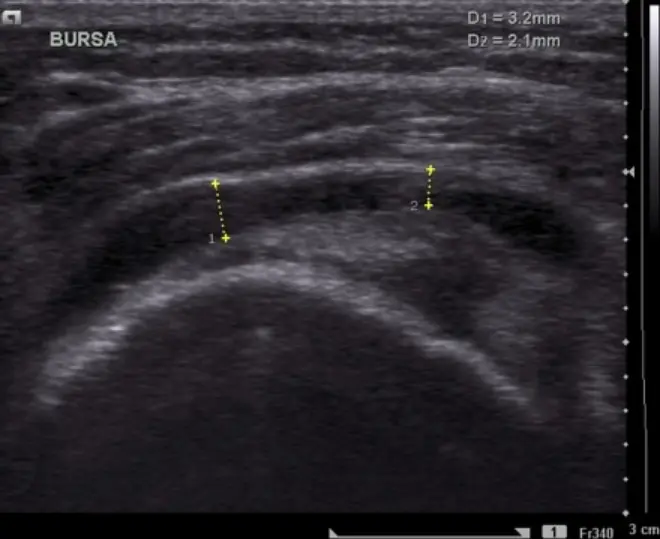
Ultrasound allows us to visualize:
- Bursa fluid accumulation
- Tendon degeneration
- Calcifications
- Micro-tears
- Dynamic movement patterns
This helps distinguish:
- True isolated bursitis
- Tendinopathy with reactive bursitis
- Structural impingement
Ultrasound-guided diagnostics improve precision.
Root-Cause Analysis
We assess:
- Scapular mechanics in shoulder cases
- Gluteal strength in hip cases
- Core stability
- Gait dysfunction
- Skeletal asymmetries
- Muscle imbalances
- Inflammatory contributors
Inflammation is often a symptom, not the true origin.
How We Treat Bursitis in Virginia Beach
Our treatment philosophy is simple: reduce irritation, correct mechanics, and restore tissue resilience.
Activity Modification and Load Management
We guide patients through:
- Temporary reduction of aggravating activities
- Corrective movement strategies
- Postural retraining
Complete rest is rarely necessary. Precision modification is usually more helpful.
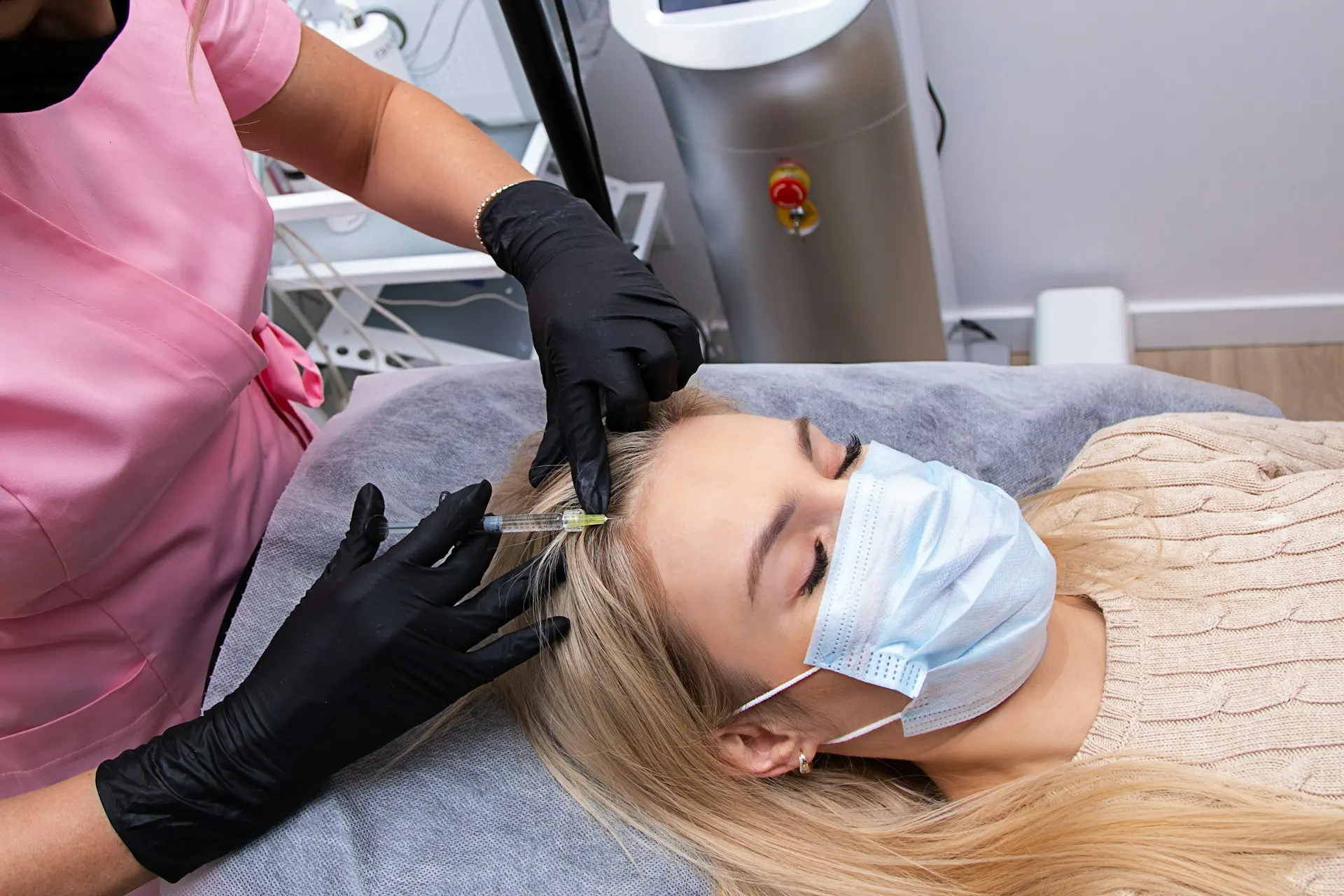
Ultrasound-Guided Injections
When appropriate, we may use:
- Targeted anti-inflammatory injections
- Regenerative injectables
- Platelet-rich plasma (PRP) when tendon degeneration coexists
Snippet-Optimized Statement
Ultrasound-guided injections can improve accuracy and effectiveness when treating bursitis by helping ensure medication is delivered precisely into the inflamed bursa.
Regenerative Medicine, Peptides, and Collagen Support
If bursitis is being driven by tendon degeneration or instability, we may recommend:
- PRP therapy
- Prolotherapy
- Orthobiologic treatments
These options support longer-term structural repair rather than only temporary suppression.
Corrective Strengthening
We focus on:
- Scapular stabilization
- Gluteal strengthening
- Core control
- Eccentric tendon loading
Proper load distribution helps reduce recurrence.
Inflammation Optimization
We address:
- Sleep
- Nutrition
- Systemic inflammatory drivers
- Hormonal influences
Reducing overall inflammation can improve healing.
Is Cortisone Safe for Bursitis?
Steroid injections can reduce inflammation quickly. However:
- Repeated use may weaken nearby tendons
- Relief may be temporary
- Underlying mechanical issues may remain
At Barr Center, we individualize decisions based on long-term joint health.
When to Seek Evaluation
Consider an evaluation if you have:
- Persistent joint pain lasting more than 4 to 6 weeks
- Recurrent hip or shoulder pain
- Pain that returns after injections
- Swelling that limits activity
- Night pain when lying on one side
Early intervention can help prevent chronic degeneration.
Bursitis Treatment in Virginia Beach
If you are searching for:
- Hip bursitis specialist in Virginia Beach
- Shoulder bursitis treatment
- PRP for bursitis
- Trochanteric bursitis doctor near me
Barr Center offers precision diagnostics and advanced regenerative orthopedic care.
Key Takeaway
Bursitis is inflammation of a cushioning sac near a joint, but chronic bursitis is often driven by tendon overload, poor mechanics, or instability. Effective treatment usually requires identifying and correcting the underlying problem.