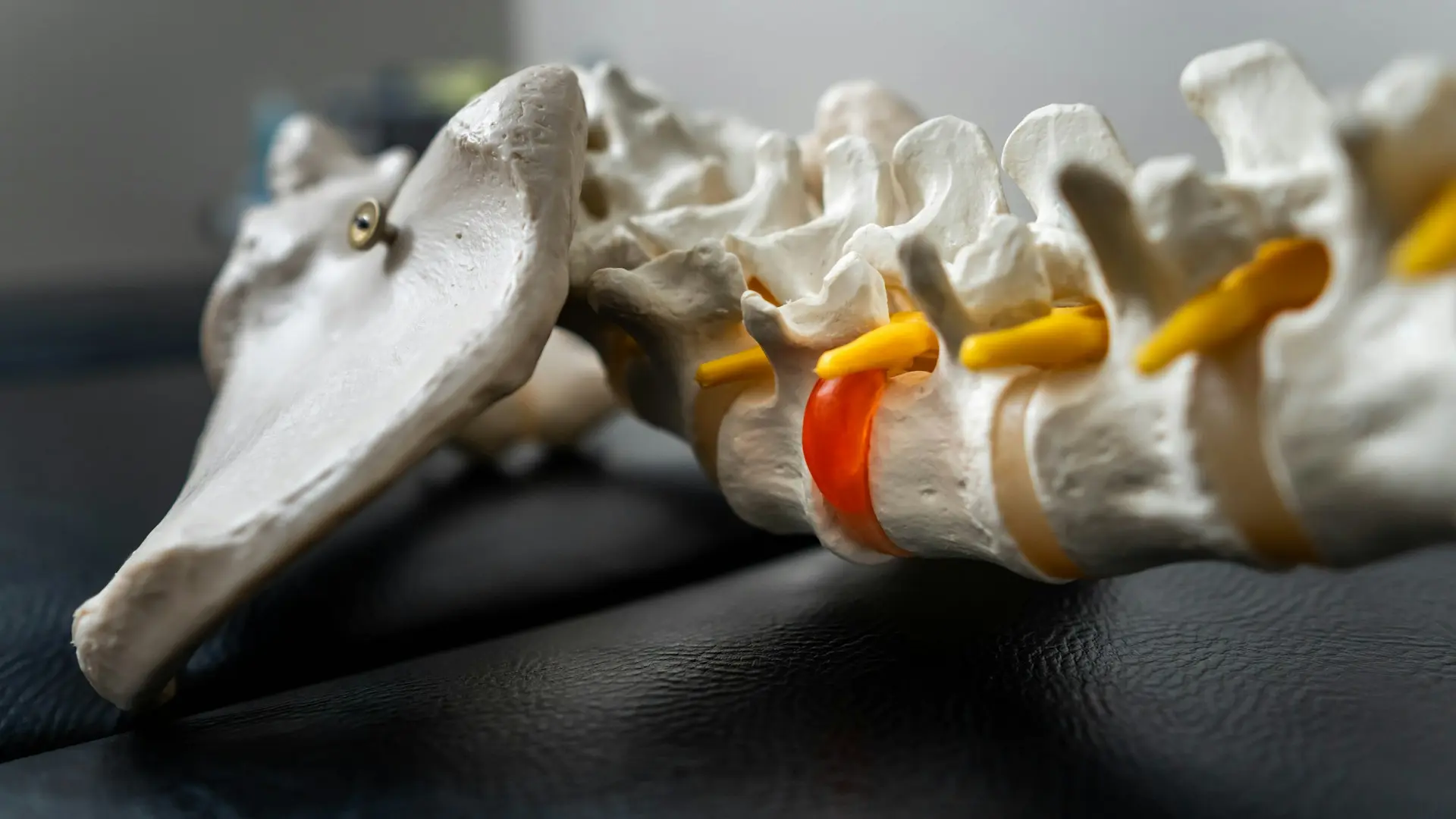

Ligaments are strong bands of connective tissue that connect bone to bone and stabilize joints throughout the body. When ligaments are overstretched, partially torn, or repeatedly injured, they may fail to heal with normal tension, leading to ligament laxity, chronic instability, pain, and altered biomechanics.
At Barr Center for Innovative Pain & Regenerative Therapies in Virginia Beach, we specialize in diagnosing and treating ligament-related pain and instability using advanced non-surgical, regenerative, and precision-guided therapies.
What Is a Ligament Injury?
Ligament injuries occur when a ligament is stretched beyond its normal capacity or torn due to trauma, repetitive strain, overuse, or biomechanical dysfunction.
Common ligament injuries include:
- Ankle sprains
- Knee ligament sprains (MCL, LCL, ACL, PCL)
- Wrist ligament injuries
- Thumb UCL sprains (“skier’s thumb”)
- Shoulder instability and capsular laxity
- SI joint and pelvic ligament injuries
- Cervical and lumbar ligament strain after whiplash or repetitive stress
What Is Ligament Laxity?
Ligament laxity refers to looseness or insufficient tension in a ligament after injury or repetitive microtrauma. This can lead to excessive joint motion, poor stabilization, compensatory muscle tension, cartilage overload, and chronic pain.
Ligament laxity may develop from:
- Prior sprains that never fully healed
- Repetitive athletic overuse
- Hypermobility syndromes
- Connective tissue disorders
- Pregnancy or postpartum pelvic changes
- Degenerative changes over time
Symptoms of Ligament Laxity
Patients with ligament laxity often describe:
- Recurrent sprains or “rolling” of a joint
- A sensation that the joint “gives out”
- Clicking, popping, or shifting sensations
- Pain with prolonged standing or activity
- Muscle tightness from compensatory guarding
- Persistent instability despite physical therapy
Common Areas Affected by Ligament Laxity
Ligament laxity can occur in nearly any joint, but common problem areas include:
- Ankle – chronic ankle instability after repeated sprains
- Knee – MCL or LCL laxity and rotational instability
- Shoulder – multidirectional instability
- Thumb or wrist – grip weakness and instability
- SI joint or pelvis – low back, buttock, and groin pain
- Cervical spine – neck pain, headaches, and post-whiplash instability
Why Ligament Injuries Often Become Chronic
Ligaments have relatively poor blood supply compared with muscle, making them slower to heal. Traditional conservative care such as rest, bracing, NSAIDs, and physical therapy may improve symptoms temporarily but often does not fully restore ligament integrity if laxity has developed.
Without restoring ligament tension and joint stability, patients may continue to experience:
- Chronic pain
- Reinjury
- Altered movement mechanics
- Tendon overload
- Accelerated joint degeneration
How We Diagnose Ligament Laxity at Barr Center
Because ligament laxity is frequently underdiagnosed, our evaluation includes:
- Comprehensive musculoskeletal and biomechanical examination
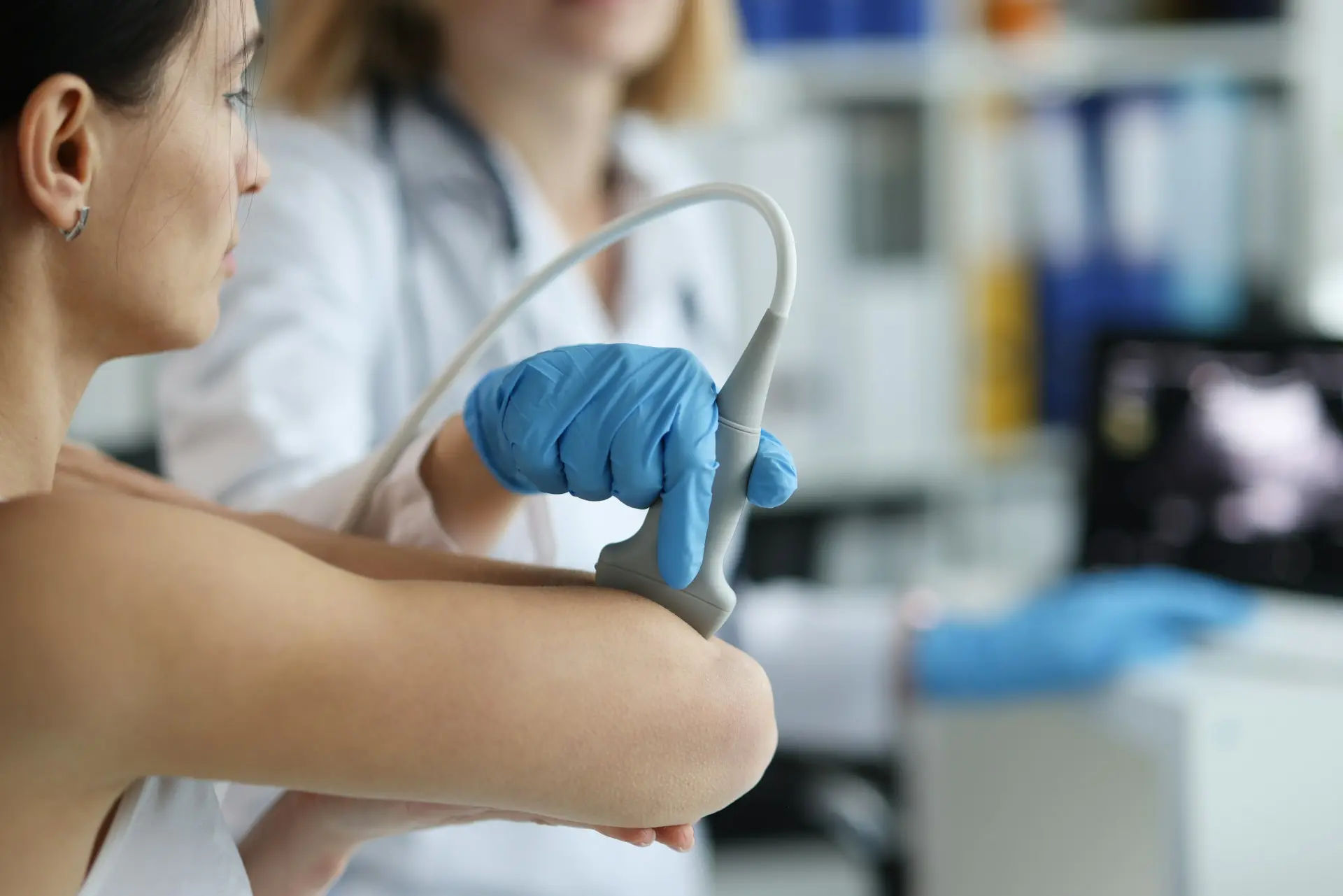
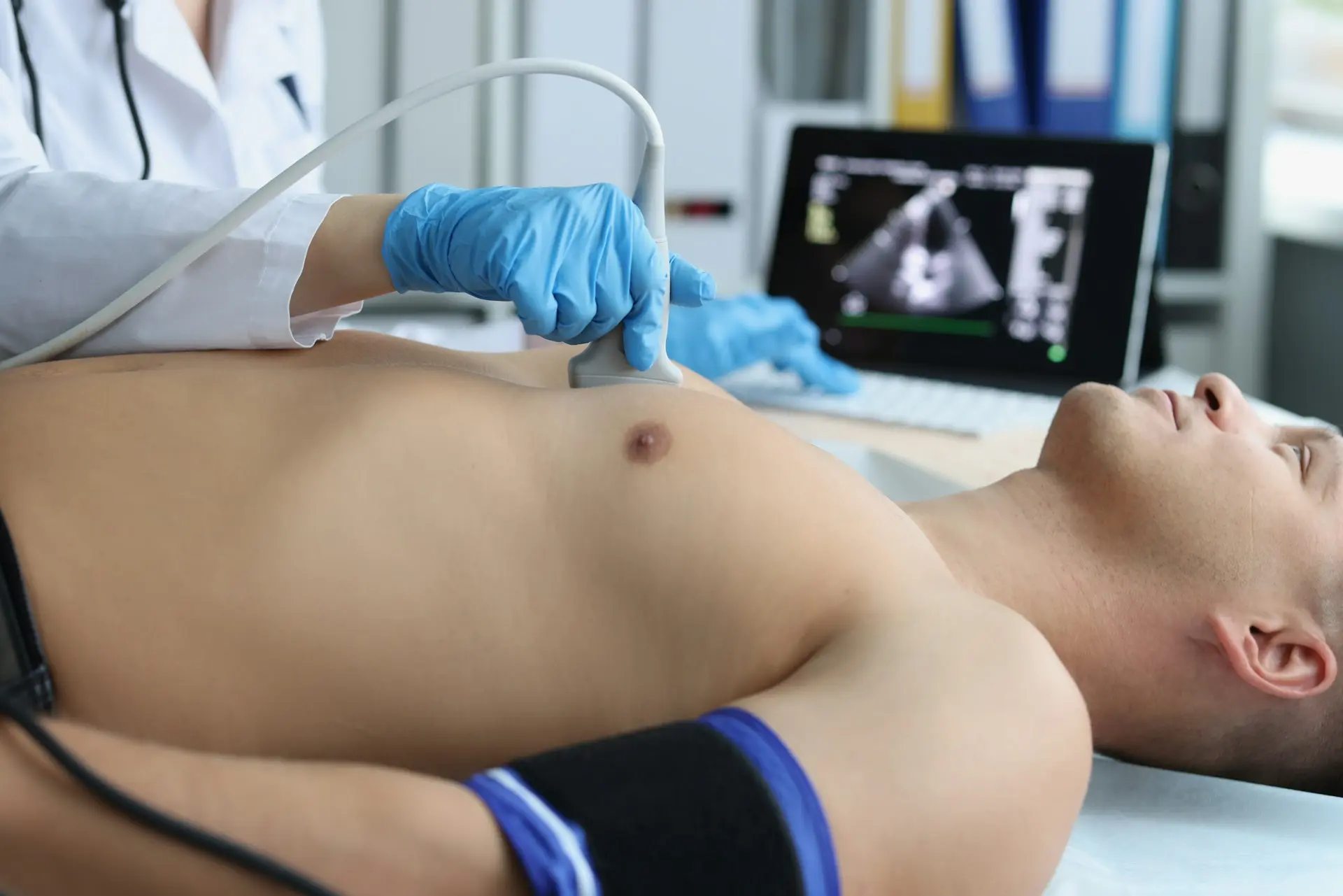
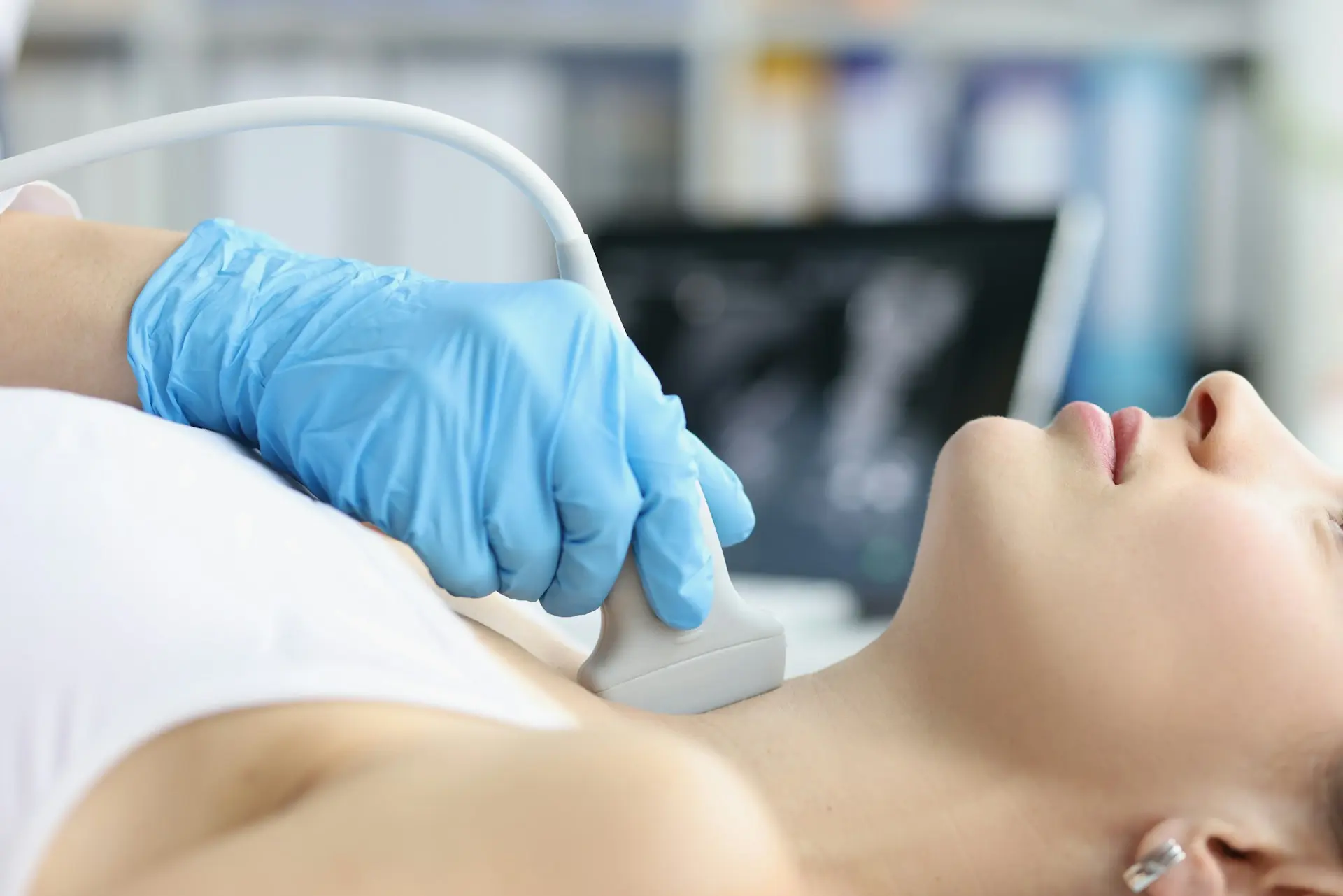
- Dynamic ultrasound assessment of ligament integrity
- Diagnostic musculoskeletal ultrasound during movement
- Functional instability testing
- Advanced imaging review when indicated
Non-Surgical Treatment Options for Ligament Injuries and Laxity
At Barr Center, we focus on treating the underlying instability, not just masking symptoms.
Prolotherapy
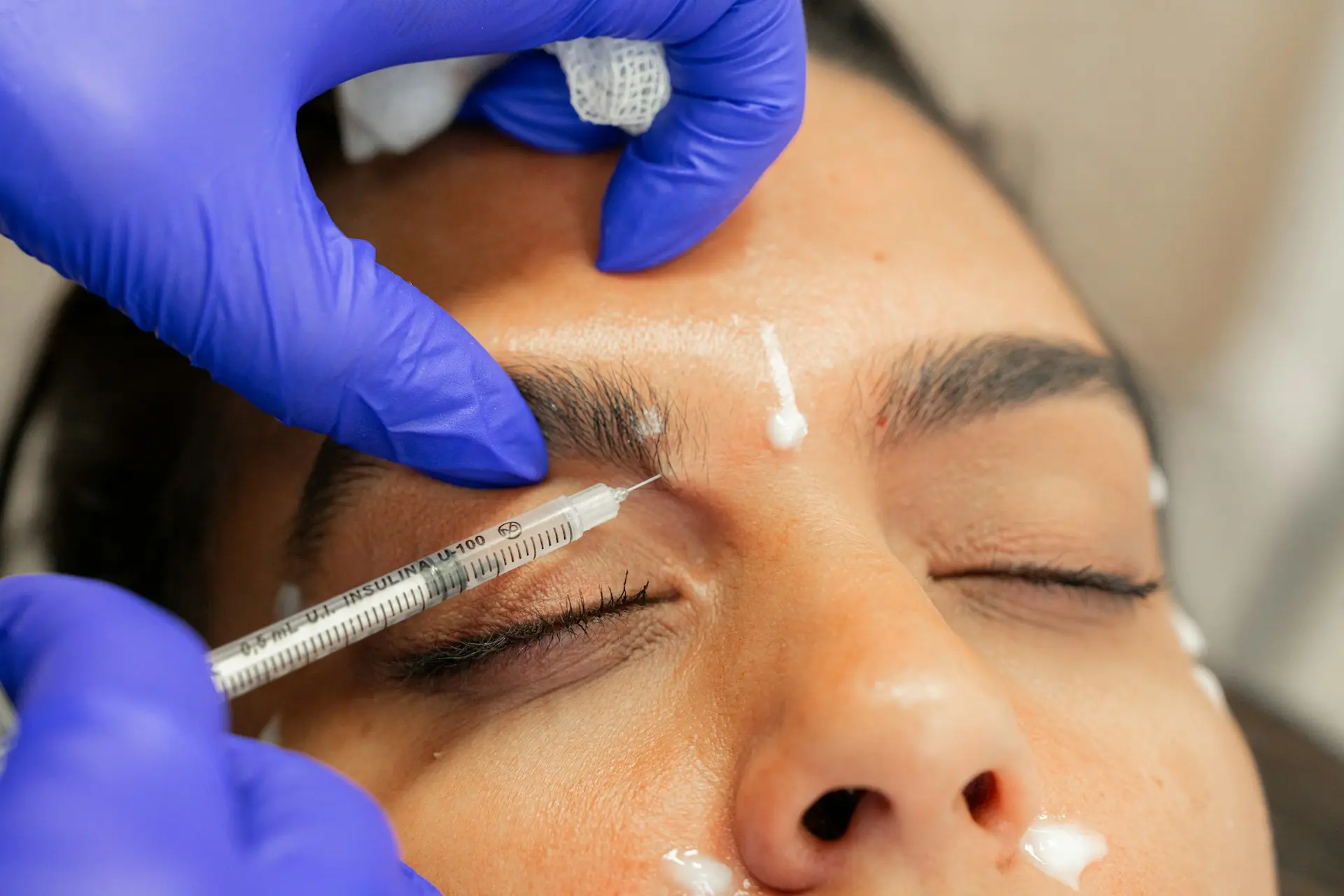
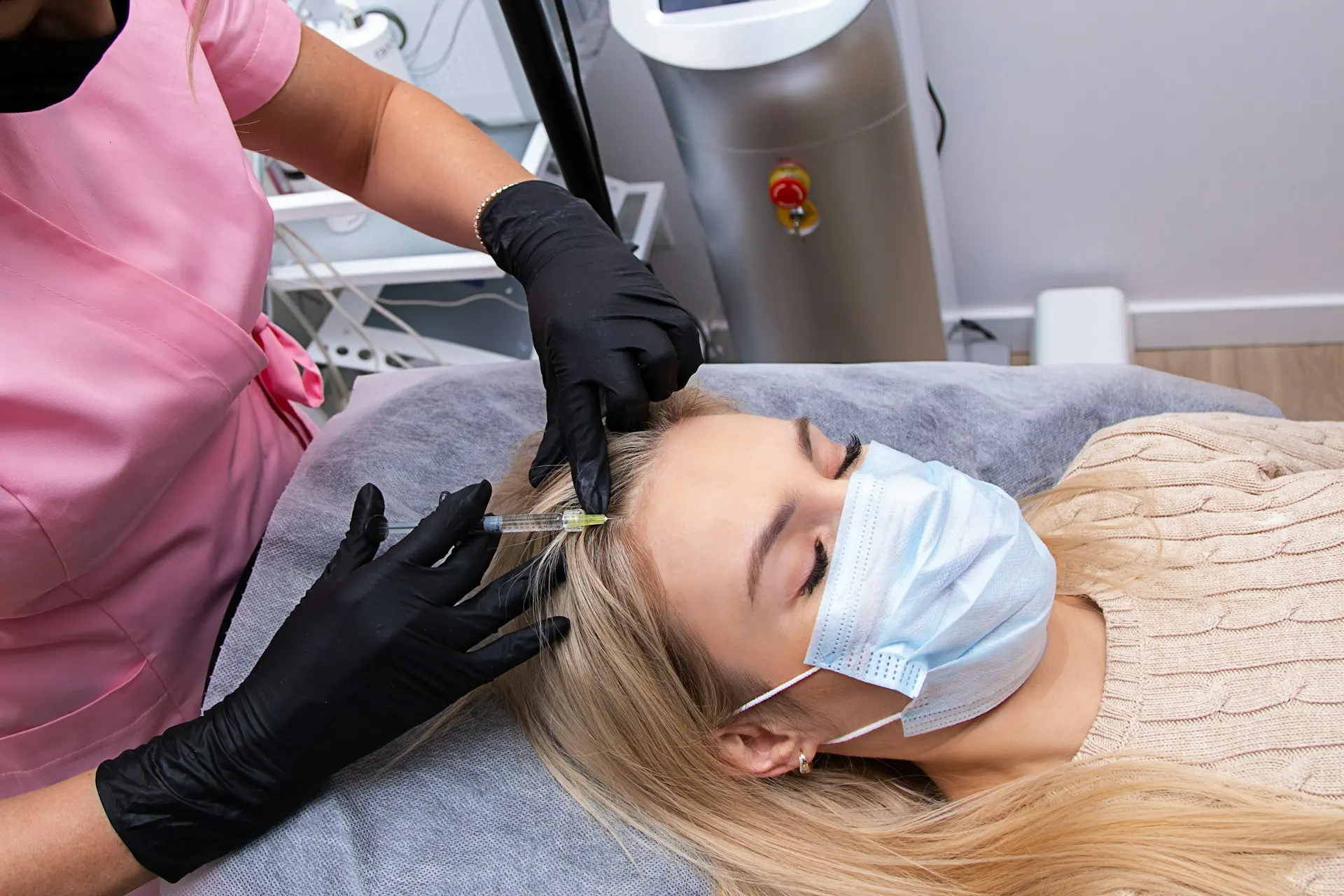
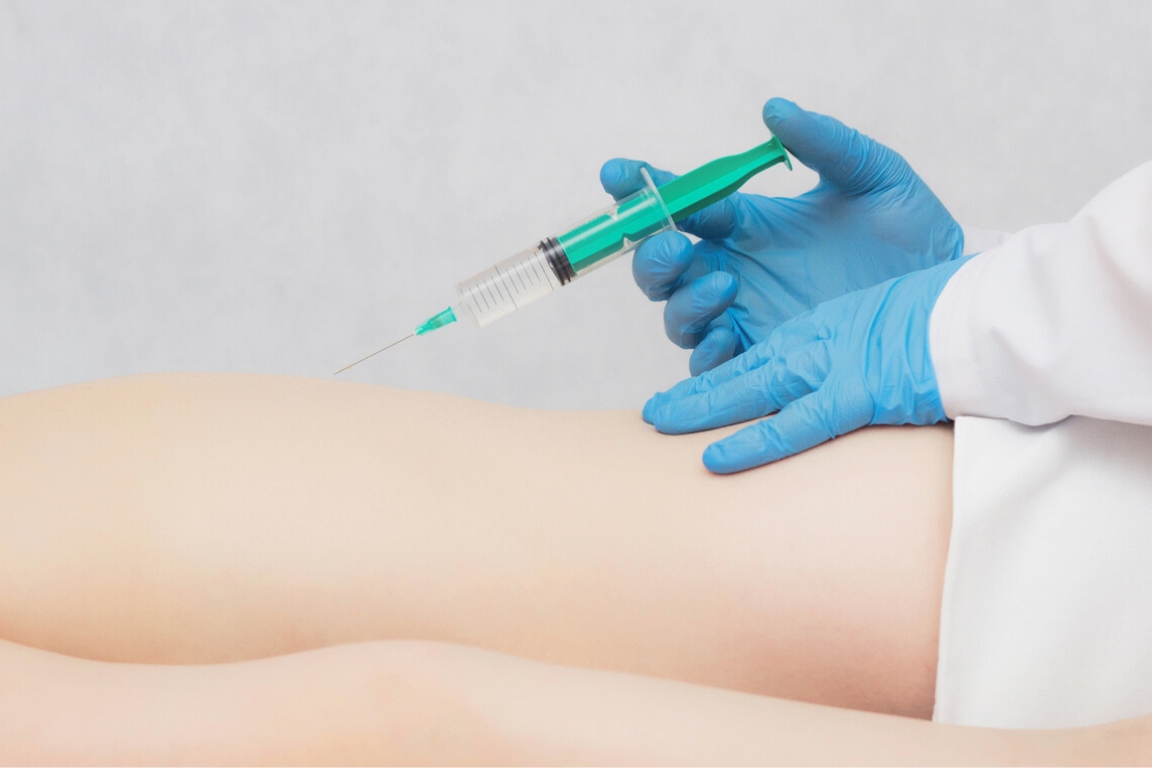
Prolotherapy involves injecting a natural irritant solution into injured or lax ligaments to stimulate the body’s healing response and promote collagen remodeling. It is commonly used for chronic ligament laxity and instability.
Platelet-Rich Plasma (PRP)
PRP uses concentrated platelets from your own blood to deliver growth factors directly into injured ligaments and supporting structures to enhance healing and tissue repair.
Ultrasound-Guided Regenerative Injections
Using precise musculoskeletal ultrasound guidance allows us to accurately target damaged ligaments and supporting structures for improved safety and effectiveness.
Osteopathic Manipulation and Functional Rehabilitation
When instability has altered movement patterns, we often combine regenerative treatments with biomechanical correction and stabilization rehabilitation.
Who Is a Candidate for Ligament Regenerative Treatment?
You may be a candidate if you have:
- Chronic joint pain after a prior sprain or injury
- Recurrent instability despite rehab
- Hypermobile joints with pain
- Joint pain with a “normal” MRI but persistent symptoms
- A desire to avoid surgery when possible
Why Choose Barr Center for Ligament Injury Treatment?
Barr Center offers:
- Expertise in musculoskeletal ultrasound diagnostics
- Precision-guided regenerative injection therapies
- Comprehensive biomechanical assessment
- Root-cause approach to chronic pain and instability
- Personalized non-surgical treatment plans
Get Expert Evaluation for Ligament Pain and Instability
If you are dealing with chronic joint pain, repeated sprains, or a feeling that your joint is unstable, ligament laxity may be the missing diagnosis.
Barr Center for Innovative Pain & Regenerative Therapies in Virginia Beach provides advanced evaluation and regenerative treatment options for ligament injuries and chronic instability.
Schedule your consultation today to learn whether prolotherapy, PRP, or ultrasound-guided regenerative treatment may help restore stability and function.
FAQ
Can ligament laxity heal on its own?
Mild injuries may improve, but chronic ligament laxity often requires targeted rehabilitation or regenerative treatment to restore stability.
What is the best treatment for ligament laxity?
Treatment depends on severity but may include physical therapy, prolotherapy, PRP, bracing, or surgical consultation in severe cases.
How do I know if I have ligament laxity?
Symptoms often include recurrent sprains, joint instability, clicking, shifting, and pain with activity.
Is prolotherapy effective for ligament injuries?
Prolotherapy may help stimulate healing and improve stability in selected patients with chronic ligament laxity.