Most scars heal without long-term issues, but some remain painful, sensitive, tight, or irritated for months or even years after the skin has closed. Painful scars often involve more than cosmetic tissue changes. They may reflect nerve irritation, fascial restriction, or chronic inflammation beneath the surface.
At Barr Center for Innovative Pain & Regenerative Therapies in Virginia Beach, we evaluate painful scars through a functional and regenerative medicine lens to identify the true source of discomfort and offer advanced treatments such as neuroprolotherapy injections.
What Causes Scar Pain?
Painful scars can develop for several reasons:
- Nerve entrapment – small cutaneous nerves can become trapped in scar tissue during healing
- Neuroma formation – injured nerves may heal abnormally, forming painful nerve bundles
- Fibrosis and adhesions – excess scar tissue may tether fascia, muscle, or surrounding tissues
- Chronic inflammation – persistent inflammatory signaling may keep scar tissue irritated
- Mechanical tension – scars over joints or high-motion areas often remain symptomatic and may limit mobility
- Hypertrophic or keloid formation – thickened scars from burns or surgical scars may become painful or hypersensitive
Symptoms of Painful Scar Syndrome
Patients with painful scars may report:
- Burning or stinging pain
- Sharp or electric pain when touched
- Hypersensitivity to clothing or pressure
- Tightness or pulling with movement
- Itching or dysesthesia
- Radiating pain from the scar into nearby tissue
How Scar Pain Is Evaluated
At Barr Center, painful scar evaluation may include:
- Detailed history of surgery, trauma, burns, or injury
- Physical exam assessing tethering, fascial restriction, and trigger points
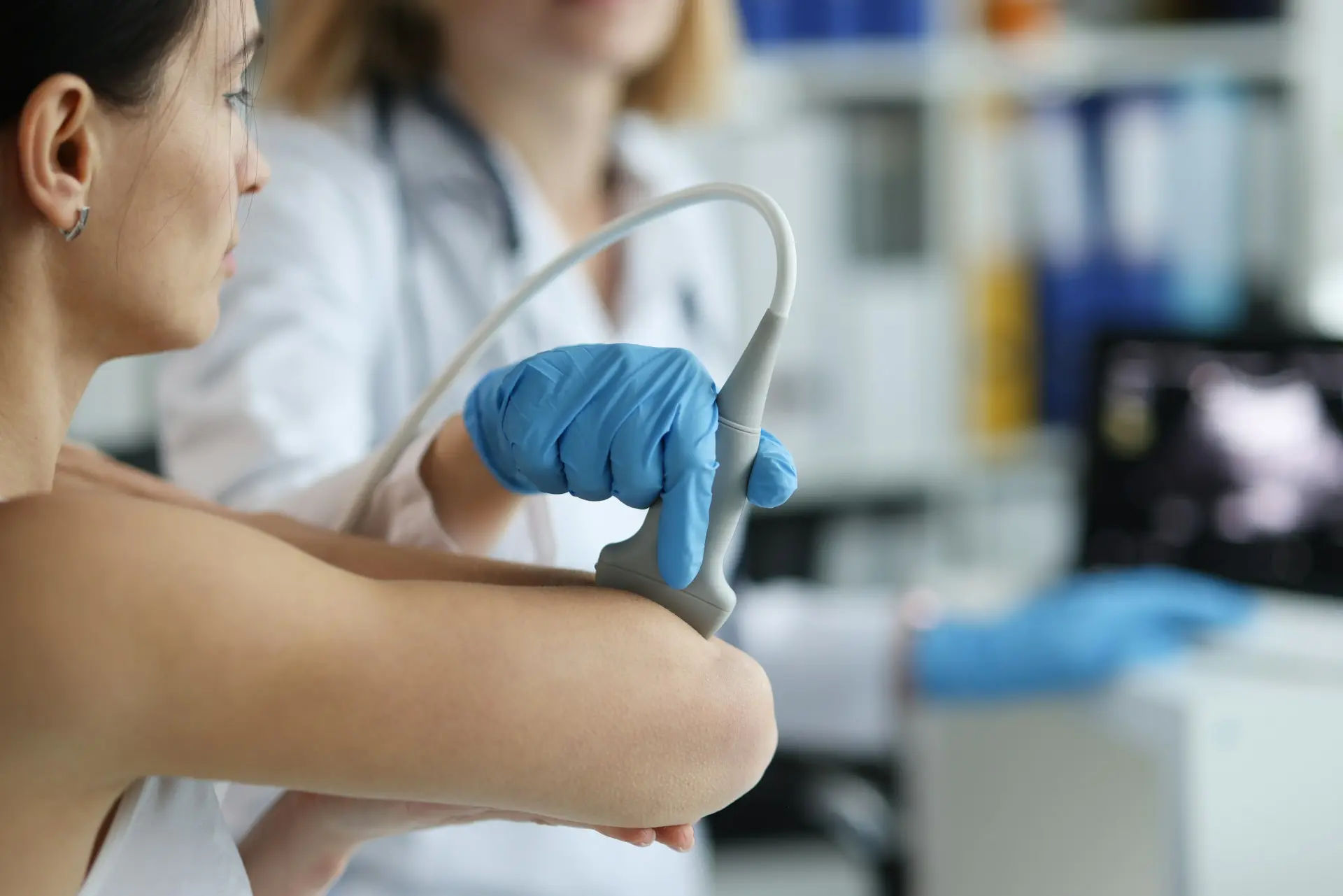
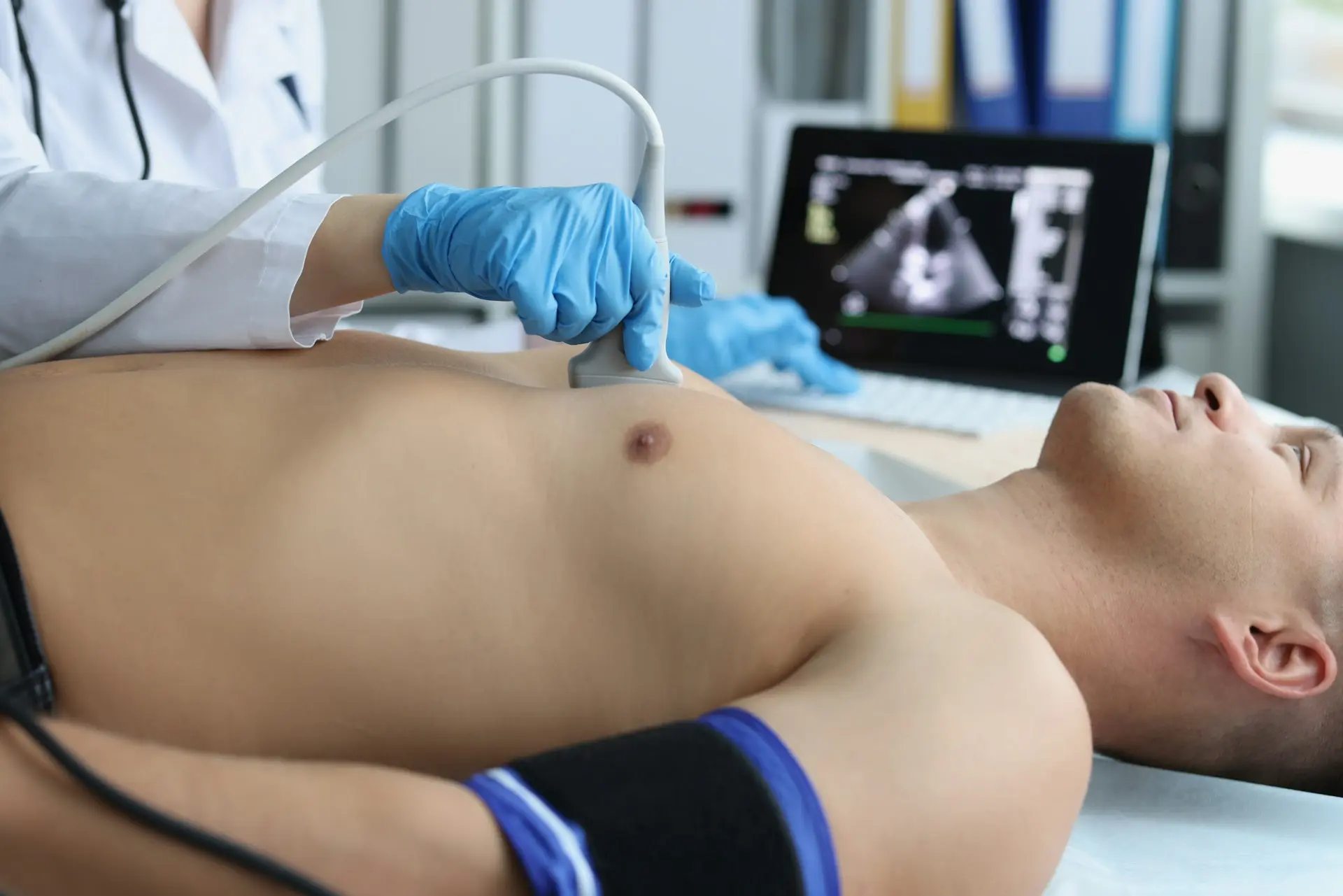
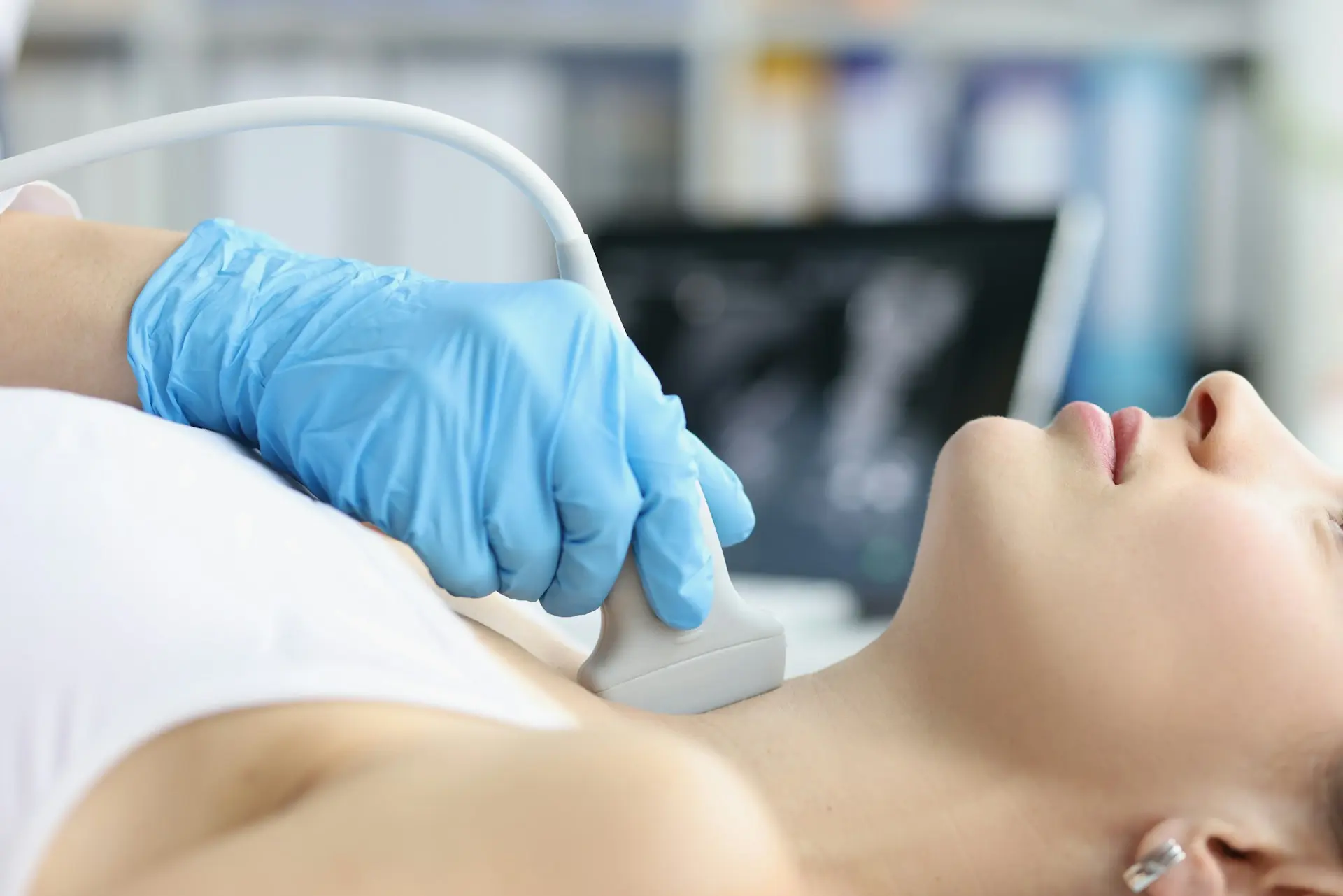
- Ultrasound evaluation for suspected nerve entrapment
- Diagnostic local anesthetic injections to confirm nerve involvement
How Neuroprolotherapy May Help Painful Scars
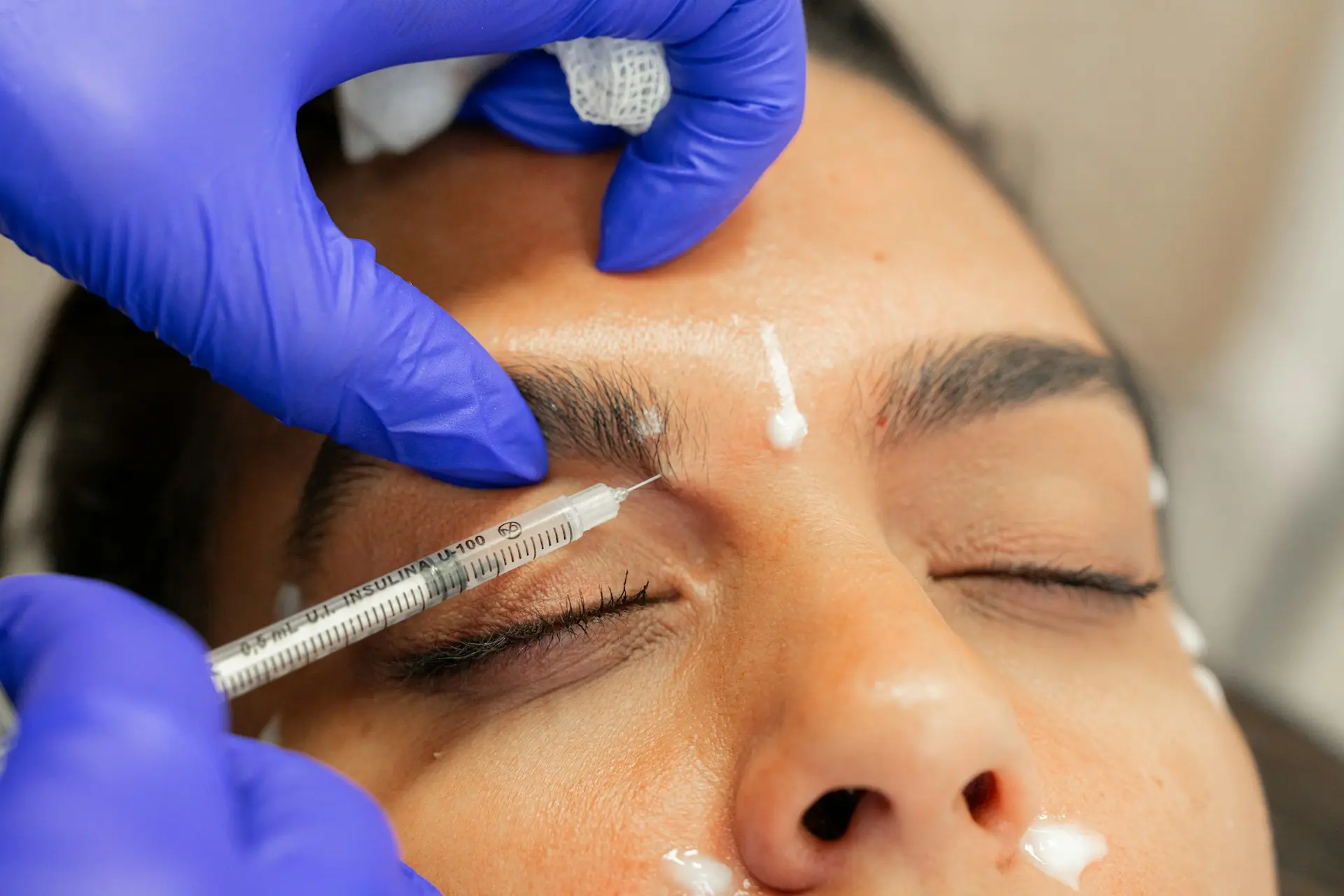
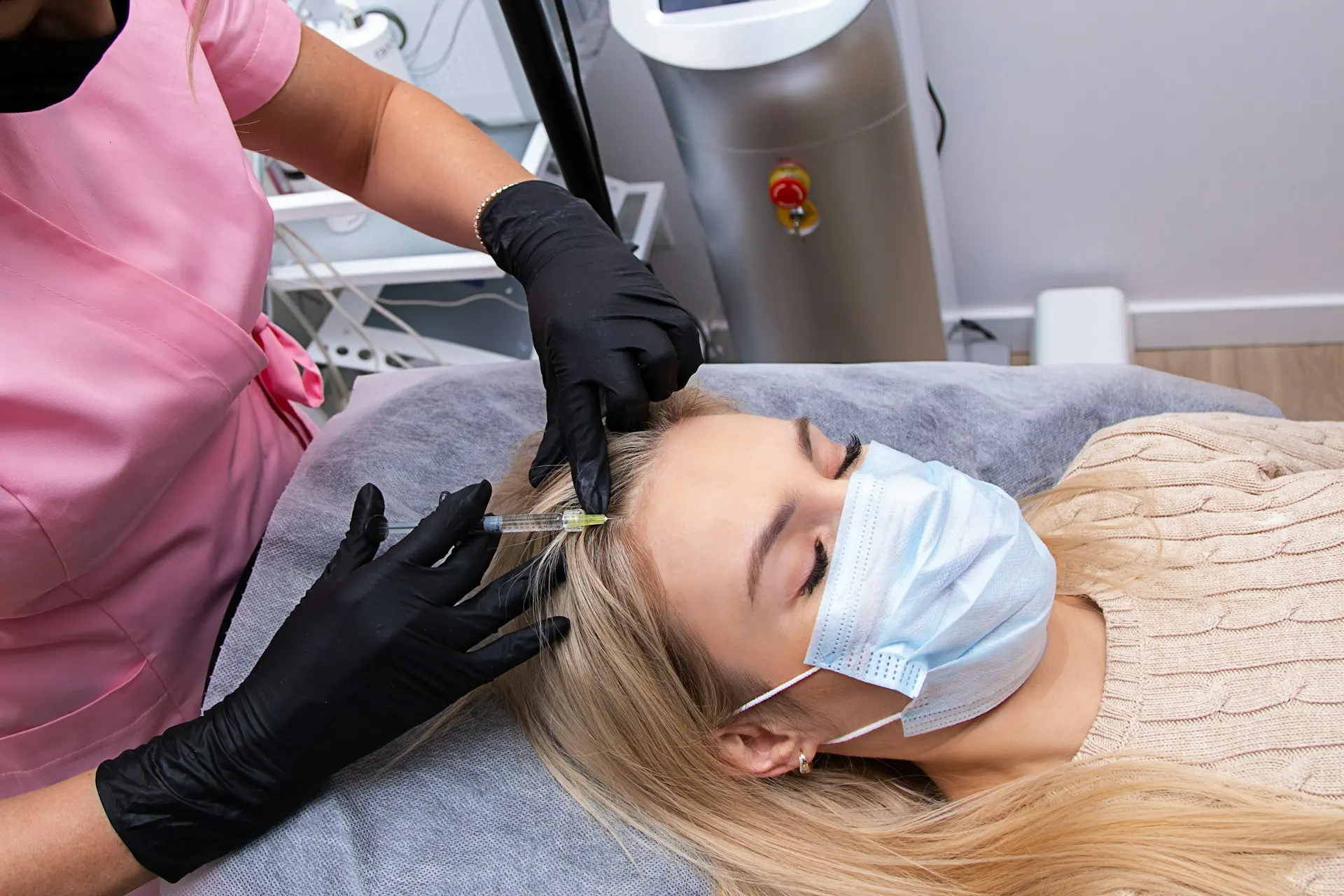
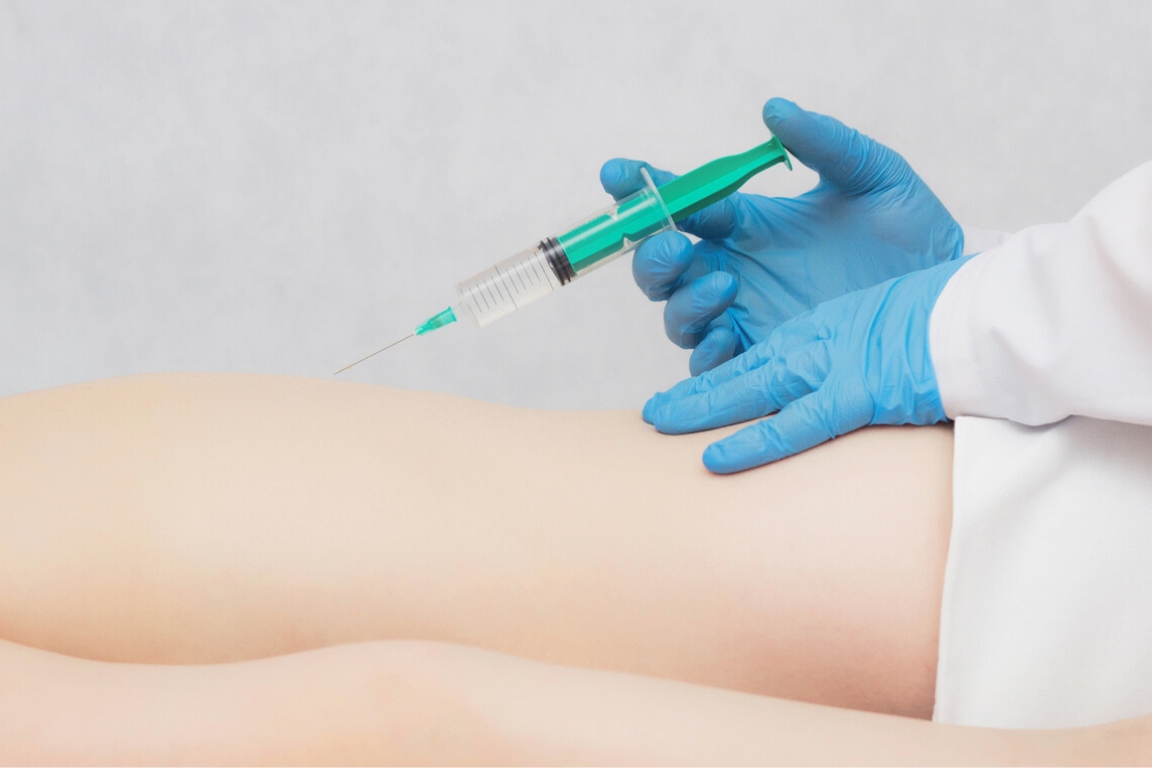
Neuroprolotherapy, also called perineural injection therapy, is an injection technique that targets irritated superficial sensory nerves with low-concentration dextrose solution.
This therapy is designed to calm neurogenic inflammation and reduce pain caused by nerve irritation around scars and other painful soft tissue structures.
Potential Benefits of Neuroprolotherapy for Scar Pain
- Reduces neurogenic inflammation around irritated nerves
- May improve pain from nerve entrapment within scar tissue
- Can decrease scar hypersensitivity and allodynia
- Helps restore more normal nerve signaling
- May improve mobility when pain limits movement
Who May Benefit from Neuroprolotherapy for Scar Pain?
This treatment may be considered for patients with:
- Persistent scar pain lasting more than 3 to 6 months
- Painful surgical scars
- Post-traumatic scars with nerve sensitivity
- C-section or abdominal scars causing chronic discomfort
- Orthopedic surgical scars with lingering hypersensitivity
- Suspected cutaneous nerve entrapment near a scar
Other Scar Pain Treatment Options
Depending on the underlying cause, additional treatment options may include:
- Scar mobilization and desensitization therapy
- Topical neuropathic creams
- Trigger point injections
- Hydrodissection for deeper nerve entrapment
- Regenerative injections or prolotherapy
- Surgical revision in select structural cases
Why Choose Barr Center for Scar Pain Treatment in Virginia Beach?
Barr Center for Innovative Pain & Regenerative Therapies offers advanced diagnostic and regenerative treatment options for painful scar syndromes and chronic nerve-related pain.
Our approach focuses on identifying the true pain generator, not simply masking symptoms, so patients can pursue meaningful, lasting relief.
Schedule a Scar Pain Evaluation
If you have a scar that continues to hurt, burn, or limit movement long after healing, it may be time for a more advanced evaluation.
Contact Barr Center for Innovative Pain & Regenerative Therapies in Virginia Beach to learn whether neuroprolotherapy injections may be appropriate for your painful scar.