
At Barr Center for Innovative Pain & Regenerative Therapies, one of the most common and most misunderstood causes of chronic pain is myofascial pain.
Many patients are told:
- “Your MRI is normal.”
- “It’s just muscle tension.”
- “Try stretching more.”
Yet the pain persists.
Myofascial pain is real. It is diagnosable. And when treated correctly, it can improve dramatically.
What Is Myofascial Pain?
Myofascial pain originates in the muscle and fascia, the connective tissue that surrounds and integrates muscles throughout the body.
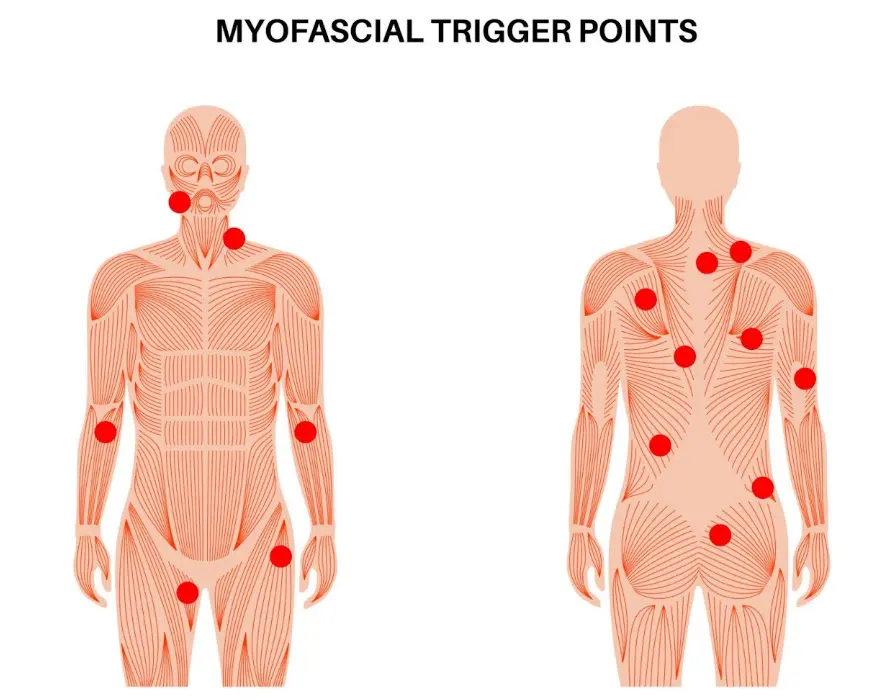
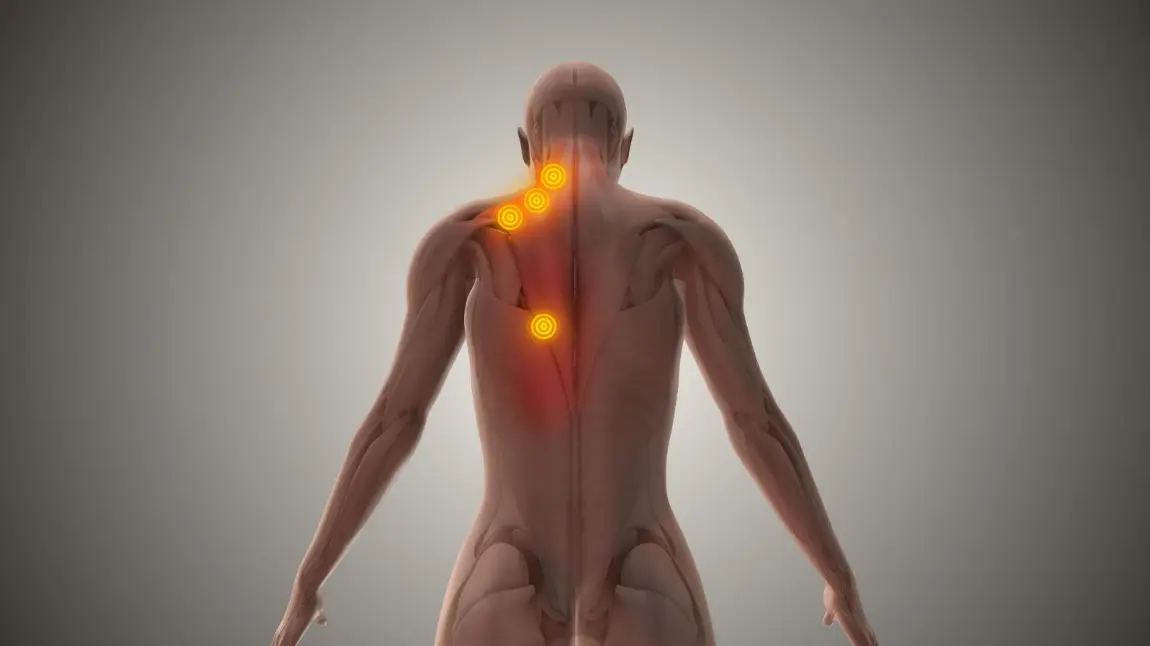
Within tight or dysfunctional muscle tissue, small hyperirritable areas called trigger points can develop. These may:
- Cause local tenderness
- Refer pain to distant areas
- Limit range of motion
- Create muscle weakness due to pain inhibition
- Contribute to nerve irritation
- Cause pain avoidance and deconditioning
For example:
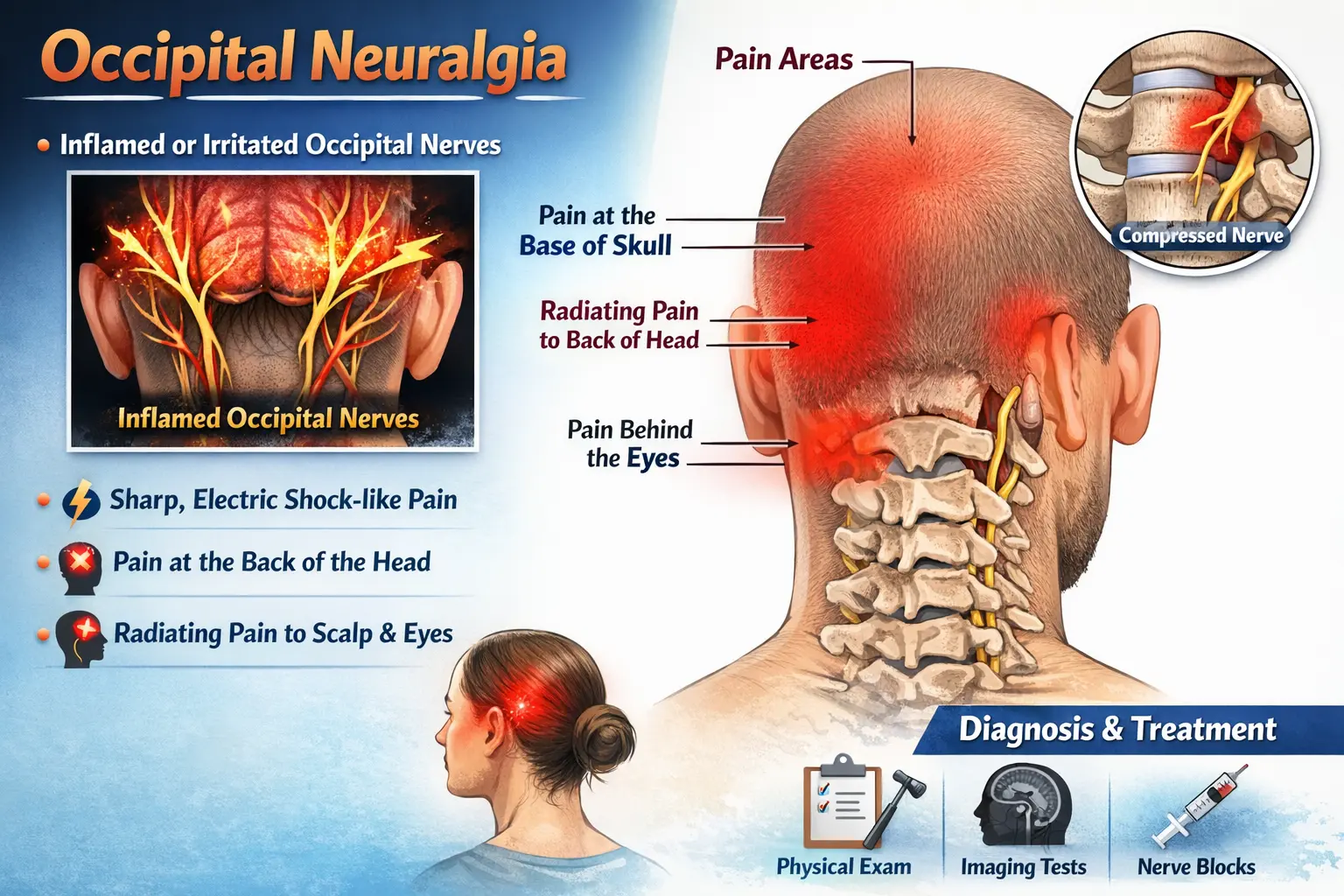
- Neck trigger points may cause headaches
- Shoulder trigger points may mimic rotator cuff tears
- Gluteal trigger points may resemble sciatica
This is why imaging alone often fails to identify the problem.
Common Symptoms of Myofascial Pain
- Deep, aching muscle pain
- Tender knots in muscle
- Pain that spreads in specific patterns
- Stiffness
- Reduced range of motion
- Fatigue
- Headaches
- Jaw pain (TMJ)
- “Sciatica” without nerve compression
How Is Myofascial Pain Different From Fibromyalgia?
While both involve muscle pain, they are not the same.
| Myofascial Pain Syndrome | Fibromyalgia |
| Regional pain | Widespread pain |
| Trigger points present | Diffuse tenderness |
| Often linked to specific muscles | More systemic |
| Local treatment often effective | Requires broader management |
Some patients can have both.
Why Myofascial Pain Develops
Myofascial dysfunction is rarely random. Common contributors include:
Biomechanical Stress
- Poor posture and ergonomics
- Muscle weakness and dysfunctional firing patterns
- Repetitive movement
- Old injuries
- Joint instability
Nervous System Overload
Chronic stress, poor sleep, and autonomic imbalance can increase muscle guarding.
Hypermobility or Instability
Unstable joints force surrounding muscles to overwork and tighten for protection.
Inflammation and Metabolic Factors
Nutrient deficiencies, mitochondrial dysfunction, and chronic inflammation can impair muscle recovery.
At Barr Center, we always ask: why is this muscle tight in the first place?
How We Diagnose Myofascial Pain
Diagnosis is clinical and requires experience.
Detailed History
We assess:
- Pain pattern and referral
- Duration and triggers
- Stress and sleep quality
- Injury history
Precision Physical Examination
We identify:
- Trigger points
- Fascial restrictions
- Asymmetry and compensation
- Movement dysfunction
Diagnostic Ultrasound and X-Rays With Bending Views
Ultrasound helps us evaluate:
- Tendon involvement
- Fascial thickening
- Underlying joint pathology
Myofascial pain often coexists with joint degeneration or ligament laxity, and both may need to be addressed.
How We Treat Myofascial Pain at Barr Center
We use a multi-layered strategy focused on release, regeneration, and retraining.
Precision Trigger Point Therapy
Depending on the patient, we may recommend:
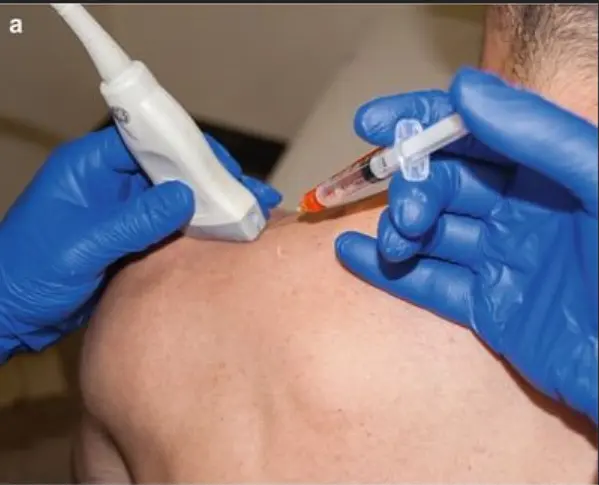
- Dry needling
- Trigger point injections with Sarapin
- Neural therapy techniques
- Neuroprolotherapy injections
- Regenerative solutions when tissue degeneration is present
Our goal is not simply to numb the area, but to reset dysfunctional muscle signaling.
Fascial Restoration
Fascia is a dynamic communication network. We may incorporate:
- Myofascial release techniques
- Instrument-assisted mobilization
- Shockwave therapy
- Movement-based fascial loading
- Support for hydration, electrolytes, and other micronutrients
Healthy fascia improves hydration, circulation, signaling, and resilience.
Regenerative Support
In chronic cases, tissues may show:
- Tendinosis
- Micro-tearing
- Degenerative changes
We may recommend:
- Platelet-rich plasma (PRP)
- Orthobiologic therapies
- Prolotherapy for ligament instability
When structural instability exists, muscle tension often continues unless that instability is addressed.
Nervous System Regulation
Myofascial pain often reflects nervous system overactivation. We may integrate:
- Breathing retraining
- HRV optimization
- Stress recovery protocols
- Sleep restoration strategies
Muscle relaxation requires nervous system safety.
Strength and Stability Retraining
Once pain decreases, we focus on:
- Scapular stabilization
- Core engagement
- Glute activation
- Closed-chain strengthening
Without retraining, trigger points often return.
Why Myofascial Pain Is Often Missed
Myofascial pain:
- Does not always show clearly on MRI
- Can mimic disc, nerve, or joint issues
- Is often labeled as fibromyalgia without a full evaluation
Proper assessment can change everything.
Our Philosophy
At Barr Center, we treat myofascial pain as a signal, not just a symptom.
We look at:
- Biomechanics
- Tissue health
- Breathing patterns
- Nervous system tone
- Inflammation
- Hormonal influences
- Micronutrient status and other functional medicine factors
Because lasting pain relief usually requires more than temporary suppression.
When to Seek Evaluation
If you have chronic muscle pain that:
- Has not responded to standard therapy
- Returns repeatedly
- Occurs despite normal imaging
- Limits your quality of life
It may be time for a deeper evaluation.
Pain is not always just in the muscle. It is often part of a larger system.
At Barr Center, we help restore balance so the body can move, heal, and function the way it was designed to.
Frequently Asked Questions About Myofascial Pain
Is myofascial pain the same as fibromyalgia?
No. Myofascial pain is typically regional and driven by trigger points, while fibromyalgia involves more widespread systemic pain.
Does myofascial pain show up on MRI?
Usually not. Diagnosis is primarily clinical and based on examination.
Can trigger points cause nerve pain?
Yes. Trigger points can refer pain in patterns that mimic nerve compression.
Is dry needling the only treatment?
No. Effective care often requires a broader approach that may include trigger point therapy, movement retraining, nervous system support, and regenerative treatment when appropriate.
Myofascial Pain Treatment in Virginia Beach
If you are searching for:
- Myofascial pain treatment near me
- Trigger point therapy in Virginia Beach
- Chronic muscle pain specialist in Virginia Beach
- PRP for muscle pain
Barr Center offers advanced diagnostic and regenerative strategies designed to restore function and long-term resilience.
Myofascial pain syndrome is a common but often overlooked cause of chronic muscle pain. It involves trigger points within muscle and fascia and usually requires precise diagnosis and a layered treatment plan for lasting relief.