
A Functional Approach at Barr Center in Virginia Beach
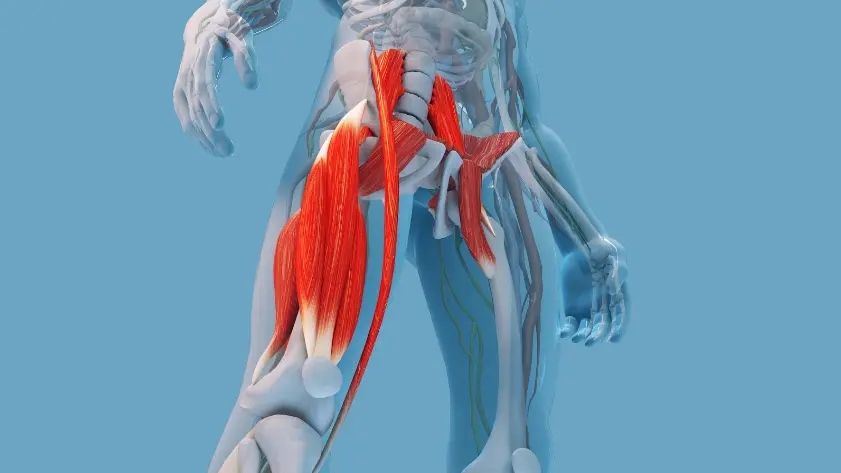
If you are taking a statin medication and experiencing new muscle pain, weakness, or fatigue, you may be dealing with statin-associated muscle symptoms (SAMS).
At Barr Center for Innovative Pain & Regenerative Therapies in Virginia Beach, we evaluate patients with unexplained muscle pain and fatigue, including those taking cholesterol-lowering medications, through a root-cause and mitochondrial health lens.
What Are Statins?
Common statin medications prescribed to lower cholesterol and reduce cardiovascular risk include:
- Atorvastatin (Lipitor)
- Rosuvastatin (Crestor)
- Simvastatin (Zocor)
These medications work by inhibiting an enzyme involved in cholesterol production in the liver.
Can Statins Cause Muscle Pain?
Yes. One of the most common side effects of statins is muscle-related symptoms.
Statin-associated muscle symptoms, or SAMS, can include muscle pain, stiffness, cramping, weakness, and fatigue that begin after starting or increasing a statin medication.
Symptoms may include:
- Aching thighs or shoulders
- Generalized muscle soreness
- Exercise intolerance
- Muscle weakness
- Fatigue
- Brain fog
- Poor exercise tolerance and recovery
In rare cases, severe muscle breakdown called rhabdomyolysis can occur, but this is uncommon. Some patients may also have elevated CK enzyme levels in the blood.
Why Do Statins Sometimes Cause Pain?
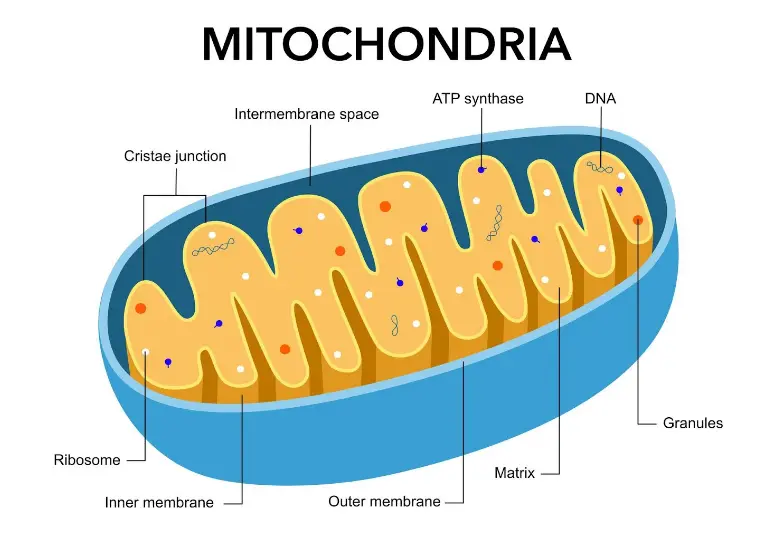
Statins affect the mevalonate pathway, which is involved not only in cholesterol production but also in the synthesis of Coenzyme Q10 (CoQ10). CoQ10 is an important nutrient used by mitochondria to help produce cellular energy.
When CoQ10 levels are reduced, mitochondrial energy production may also decline. Since mitochondria are found in large numbers in the muscles, heart, brain, and other organs, this may contribute to symptoms such as muscle pain, fatigue, and brain fog in some patients.
CoQ10 plays an important role in mitochondrial function, and blood levels can be measured when appropriate.
In some people, statins may reduce CoQ10 levels, which can impair mitochondrial energy production in muscle cells and contribute to muscle pain, fatigue, and reduced exercise tolerance.
When mitochondrial energy production declines, muscle cells may:
- Generate less ATP, or cellular energy
- Accumulate oxidative stress
- Recover more slowly
- Become more susceptible to injury and chronic pain
The Role of Mitochondria in Muscle Health
Mitochondria are the energy-producing structures inside cells.
Healthy mitochondria help muscles:
- Contract efficiently
- Recover after activity
- Resist fatigue
- Maintain strength
When mitochondrial function is impaired, patients may experience:
- Muscle pain
- Weakness
- Decreased endurance
- Slower recovery
Supporting mitochondrial health may improve overall muscle resilience.
How We Evaluate Statin-Related Muscle Symptoms at Barr Center
At Barr Center, we take a comprehensive approach.
Detailed History
We assess:
- Timing of symptoms relative to statin use
- Dose changes
- Exercise tolerance
- Other medications
- Risk factors for muscle injury
Laboratory Review
When appropriate, we evaluate:
- Creatine kinase (CK)
- Vitamin D levels
- Thyroid function
- Inflammatory markers
- Nutritional status, including CoQ10 levels
Muscle pain is often multifactorial, so a broader review can be important.
Mitochondrial and Metabolic Support Assessment
We may also consider:
- CoQ10 status
- Oxidative stress burden
- Sleep quality and circadian rhythm
- Insulin sensitivity and metabolic flexibility
- Inflammatory drivers
- History of COVID illness or vaccine-related timing when clinically relevant
- Hormonal factors, since cholesterol also serves as a building block for sex hormones
Supporting cellular energy production is often an important part of the overall plan.
How We Support Patients Taking Statins
Important: Patients should never stop a statin medication without speaking with their prescribing physician.
Our role is to help patients better understand possible causes of their symptoms, support muscle and mitochondrial health, and encourage informed conversations with their primary care doctor or cardiologist.
In some cases, the conversation may include whether a dose reduction is appropriate or whether switching to a different statin may be worth discussing with the prescribing physician. In many cases, supplementing with the active form of CoQ10, called ubiquinol, along with other mitochondrial support nutrients, may be helpful.
We encourage patients not to make medication changes on their own. We are happy to help guide the discussion and support coordination with the prescribing physician.
Mitochondrial Nutrient Support
When appropriate, we may recommend:
- CoQ10 supplementation
- Magnesium
- B vitamins
- Antioxidant support
- Omega-3 fatty acids to support cell membrane function and reduce inflammation
- Optimal protein intake
These nutrients may help support cellular energy production and reduce oxidative stress.
Exercise Optimization
Gentle, progressive resistance training may improve:
- Mitochondrial density
- Insulin sensitivity and metabolic flexibility
- Muscle resilience
Overtraining, however, can worsen symptoms, so balance is important.
Regenerative and Musculoskeletal Care
If pain persists, we assess for other contributors such as:
- Tendinopathy
- Myofascial pain
- Joint instability
Targeted regenerative therapies may be considered when structural contributors are present.
Cardiometabolic Optimization
We also work with patients to address:
- Inflammatory drivers
- Diet quality
- Metabolic health
- Weight optimization
- Stress physiology
- Cardiovascular risk
Reducing the body’s overall inflammatory burden may help reduce muscle symptoms.
Frequently Asked Questions
Should I stop my statin if I have muscle pain?
No. Always speak with your prescribing physician before making any medication changes.
Does everyone on statins develop muscle pain?
No. Many patients tolerate statins without significant side effects.
Can CoQ10 help with statin muscle pain?
Some studies suggest CoQ10 may help reduce muscle symptoms in certain patients by supporting mitochondrial function.
Statin-Associated Muscle Pain in Virginia Beach
If you are experiencing new muscle pain after starting a statin, unexplained fatigue, exercise intolerance, or persistent muscle soreness, Barr Center provides a comprehensive evaluation focused on mitochondrial health, musculoskeletal integrity, and metabolic optimization.
Key Takeaway
Statin medications can sometimes contribute to muscle pain by affecting mitochondrial energy production. Supporting mitochondrial function, reducing oxidative stress, and optimizing overall metabolic health are important strategies for patients taking statins.
At Barr Center, we help patients balance cardiovascular protection with muscle health so they can feel stronger, more energized, and more resilient.