Cervical, Thoracic and Lumbar Nerve Root Pain at Barr Center
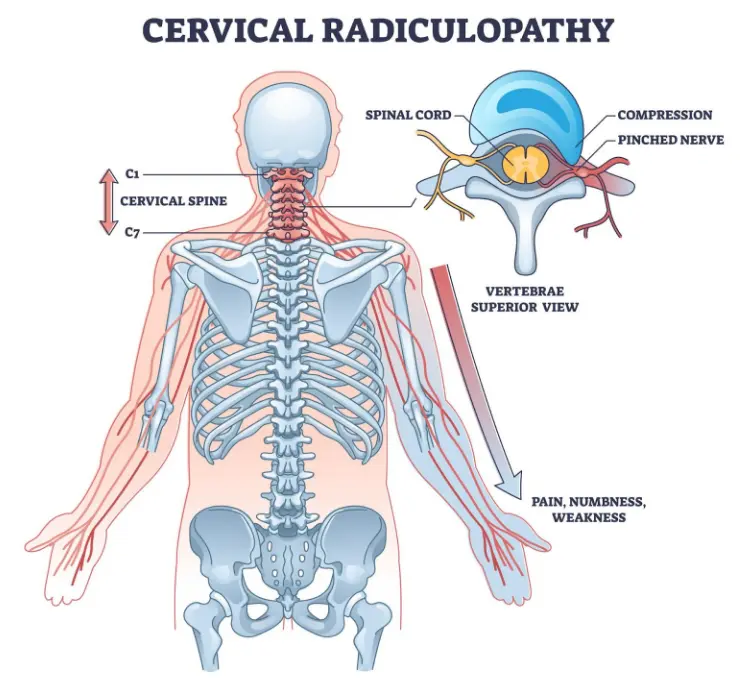
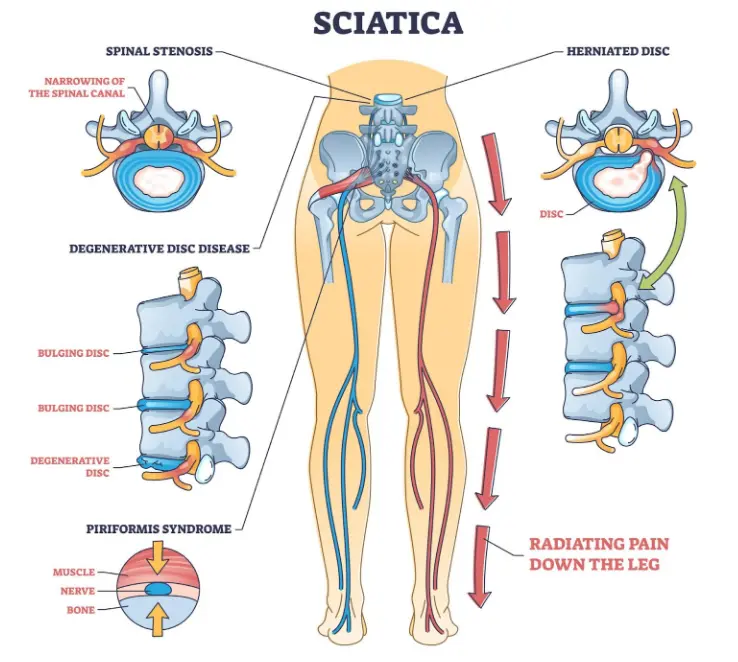
If you are experiencing radiating arm pain, rib or chest wall pain, or sciatica, you may have radiculopathy, a condition involving irritation or compression of a spinal nerve root.
At Barr Center for Innovative Pain & Regenerative Therapies in Virginia Beach, we provide precise diagnosis and advanced, non-surgical treatment options for cervical, thoracic, and lumbar radiculopathy.
What Is Radiculopathy?
Radiculopathy occurs when a spinal nerve root becomes compressed or inflamed as it exits the spine.
Radiculopathy is a condition caused by compression or irritation of a spinal nerve root, leading to pain, numbness, tingling, or weakness that radiates along the nerve’s pathway.
Symptoms depend on which region of the spine is involved.
Cervical Radiculopathy (Neck)
Cervical radiculopathy affects nerve roots in the neck.
Common Symptoms
- Pain radiating into the shoulder, arm, or hand
- Numbness in the hand or fingers
- Weak grip strength
- Tingling down one arm
- Relief when raising the affected arm on top of the head
Common causes include:
- Disc herniation
- Degenerative disc disease
- Bone spurs
- Foraminal narrowing
Cervical radiculopathy causes neck pain that radiates into the arm due to nerve root compression in the cervical spine.
Thoracic Radiculopathy (Mid-Back)
Thoracic radiculopathy is less common but is often misdiagnosed.
Common Symptoms
- Rib pain
- Burning or band-like chest pain
- Pain wrapping around the torso
- Intercostal neuralgia
It may mimic cardiac, gastrointestinal, or muscular conditions.
Thoracic radiculopathy causes mid-back pain that radiates around the rib cage due to nerve root irritation in the thoracic spine. A herniated thoracic disc is one possible cause. Post-herpetic neuralgia and intercostal neuralgia can create similar symptoms.
Lumbar Radiculopathy (Sciatica)
Lumbar radiculopathy affects the lower back and legs.
Common Symptoms
- Low back pain
- Sciatica, or pain down the leg
- Numbness in the foot
- Leg weakness
- Shooting or electric pain
Common causes include:
- Disc bulge or herniation
- Spinal stenosis
- Degenerative disc disease
- Foraminal stenosis
- Facet cyst
Lumbar radiculopathy, commonly called sciatica, causes low back pain that radiates down the leg due to nerve root compression in the lower spine.
How We Evaluate Radiculopathy at Barr Center
Accurate diagnosis is essential because radiating pain can also come from:
- Peripheral nerve entrapment
- Myofascial trigger points
- Hip or shoulder pathology
- Bursitis or tendonitis around the shoulder or hip
Comprehensive Clinical Examination
We assess:
- Reflexes
- Muscle strength
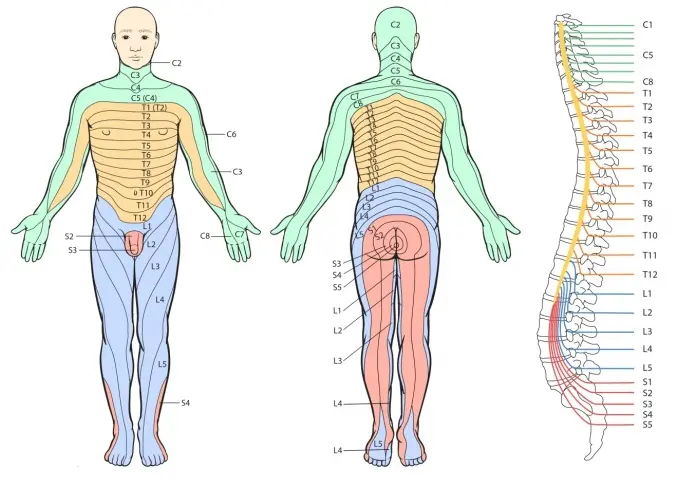
- Dermatomal sensory changes
- Provocative testing
- Nerve stretch signs
- Movement dysfunction
Imaging Review
When indicated, we review:
- MRI findings
- X-rays
- CT scans
- EMG and nerve conduction studies
Imaging findings must match the symptoms, because many disc bulges do not actually cause pain.
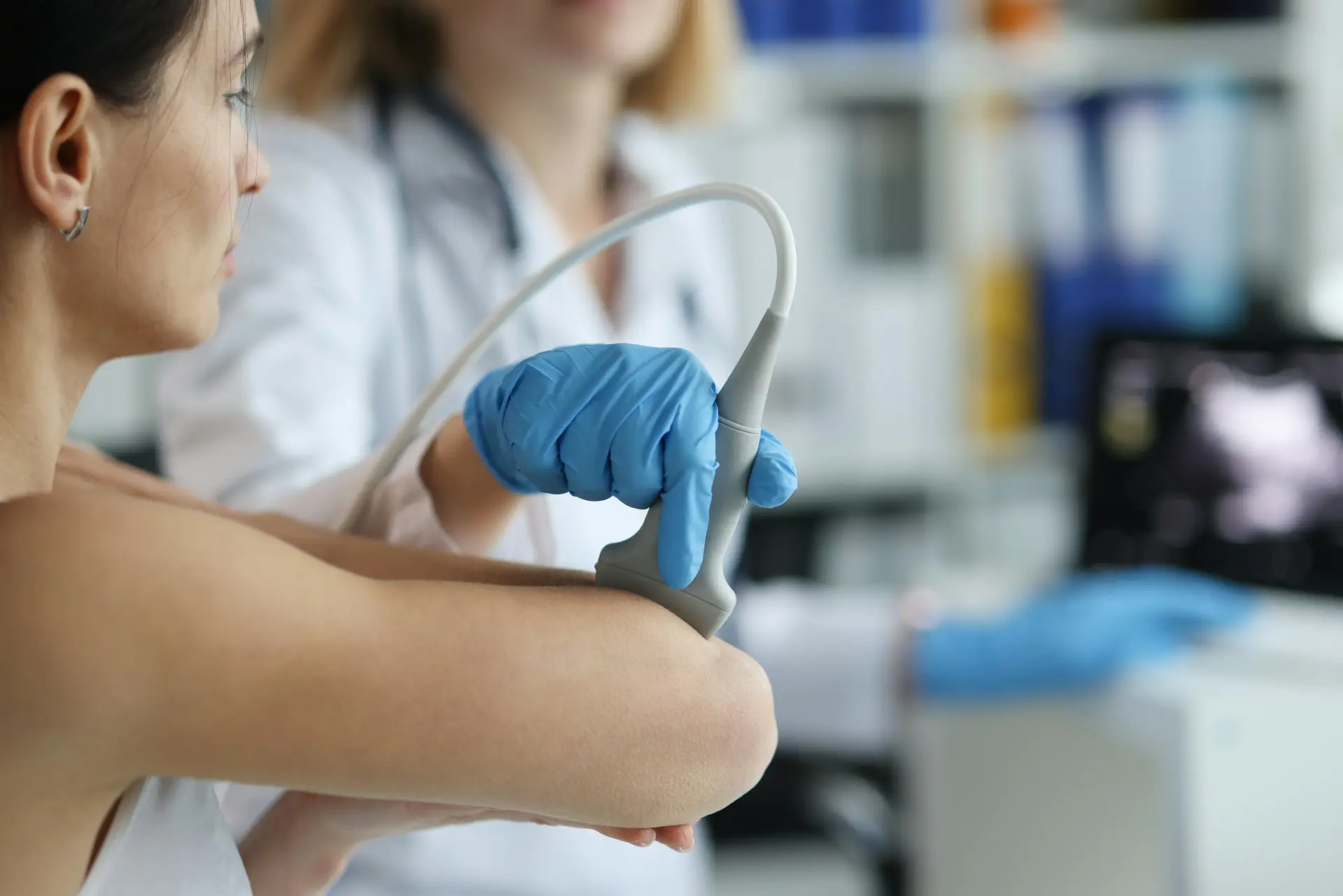
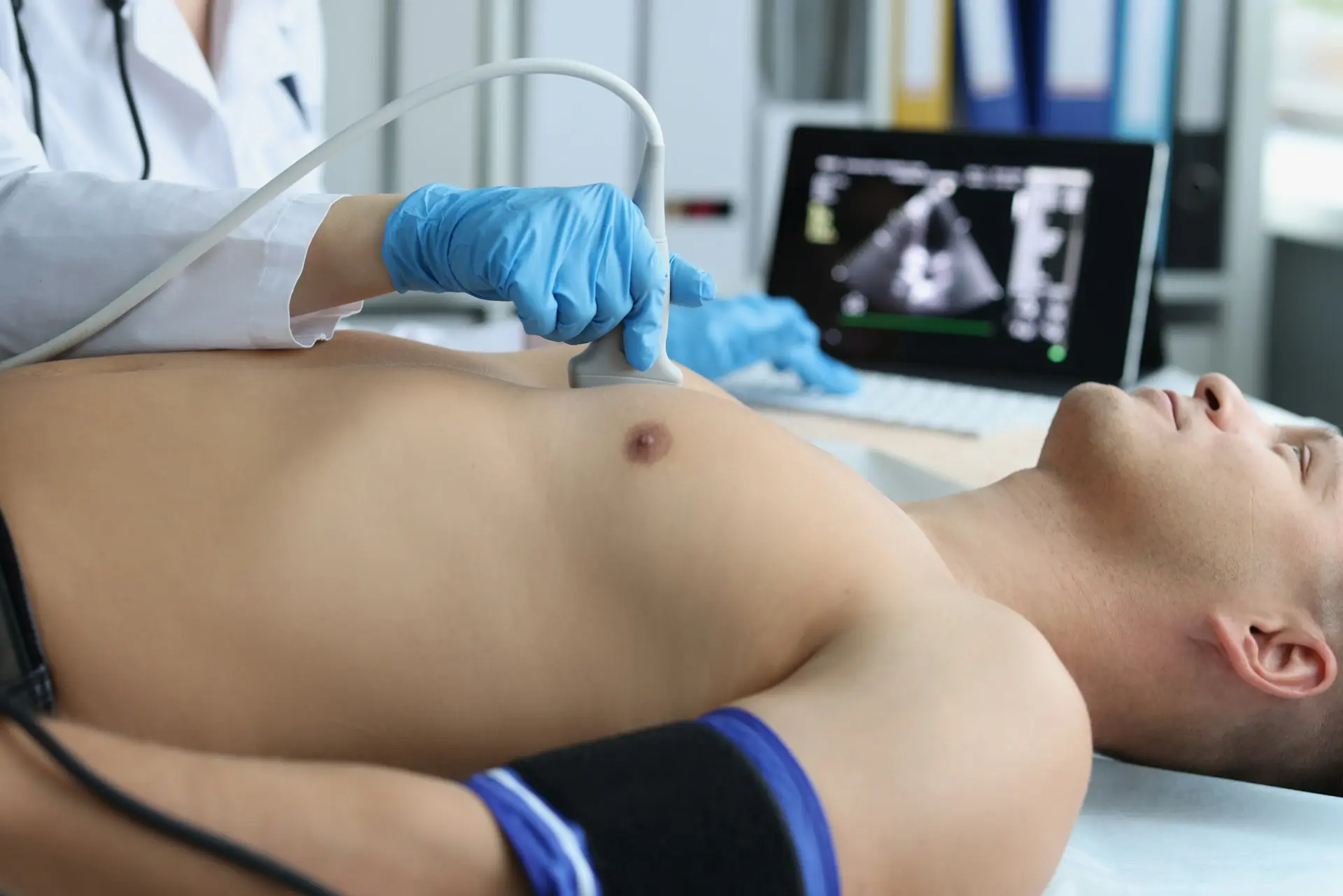
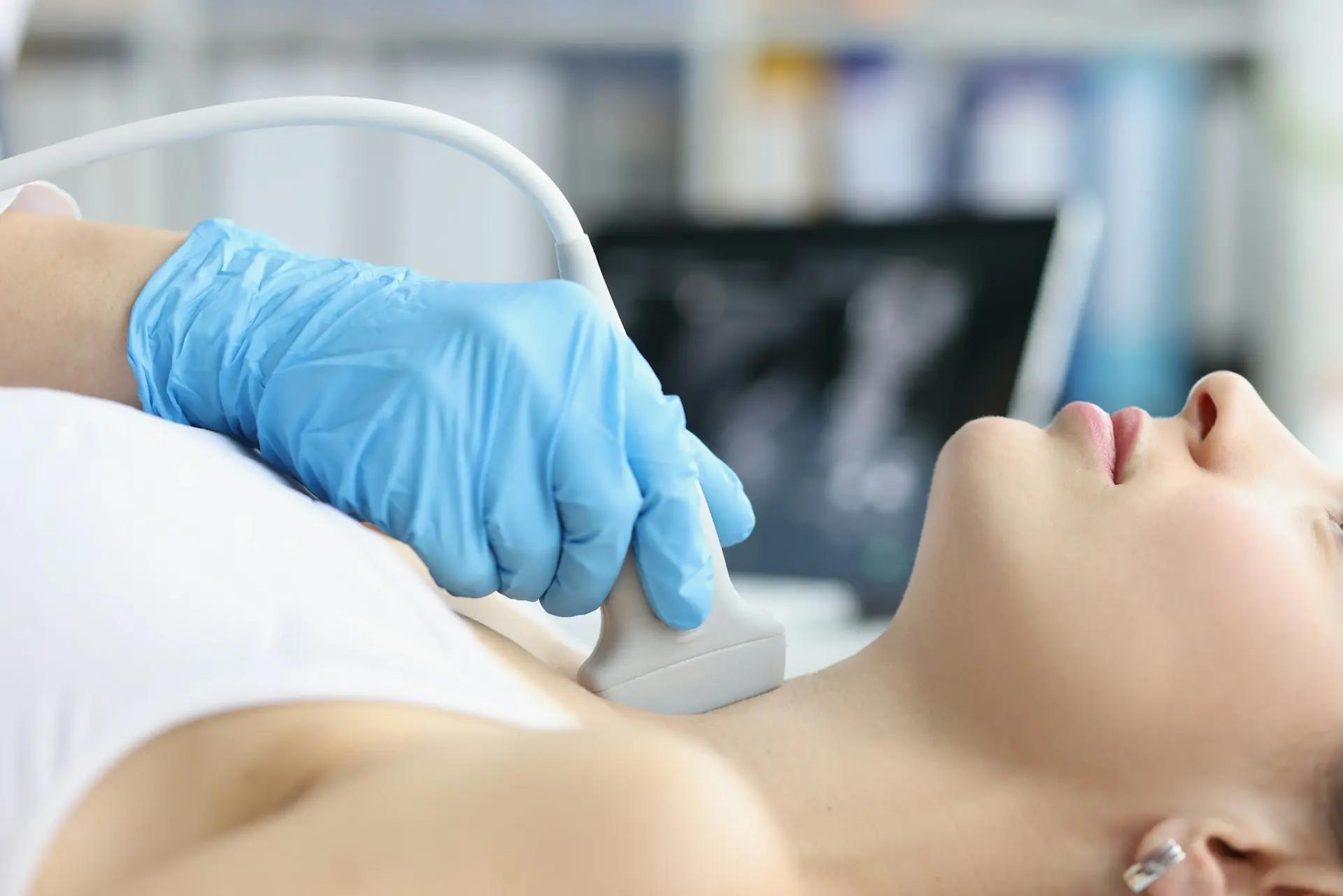
Diagnostic Ultrasound and Functional Assessment
We may also evaluate:
- Peripheral nerve irritation
- Soft tissue contributors
- Joint instability
- Biomechanical overload
- Painful soft tissue conditions
Radiculopathy is often multifactorial, which is why a broader evaluation matters.
How We Treat Radiculopathy in Virginia Beach
Our approach is simple: reduce nerve irritation, improve stability, and restore function.
Activity and Load Modification
We guide patients with:
- Postural correction
- Ergonomic adjustments
- Controlled movement progression
Targeted Injections
When appropriate, treatment may include:
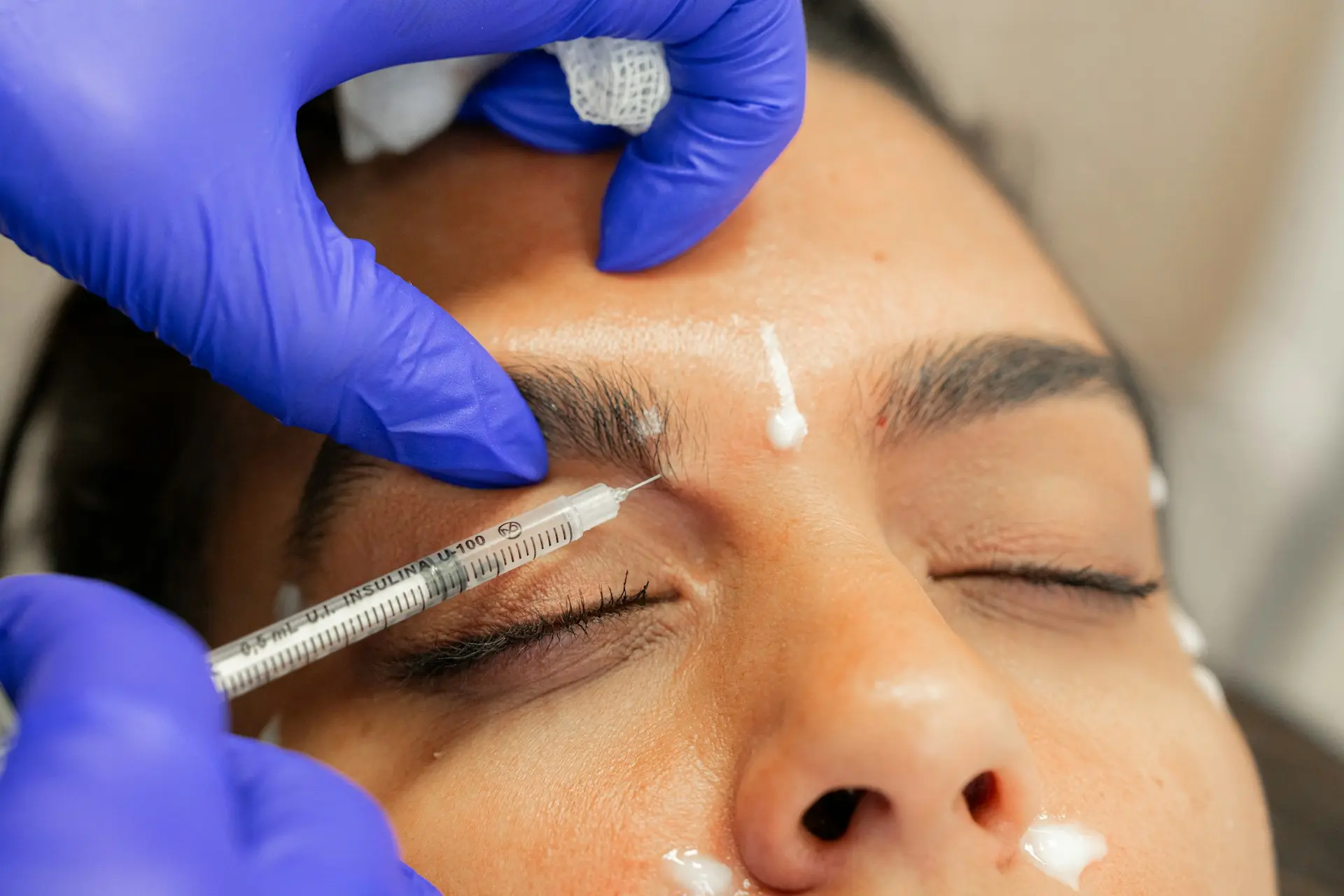
- Precision X-ray-guided epidural injections for the cervical, thoracic, or lumbar spine
- Cervical, thoracic, and lumbar transforaminal and interlaminar epidural injections, as well as caudal epidurals
- Diagnostic selective nerve root blocks to help identify the most symptomatic level
- Racz catheter epidural neurolysis when indicated
- Regenerative injectables, including PRP in select cases
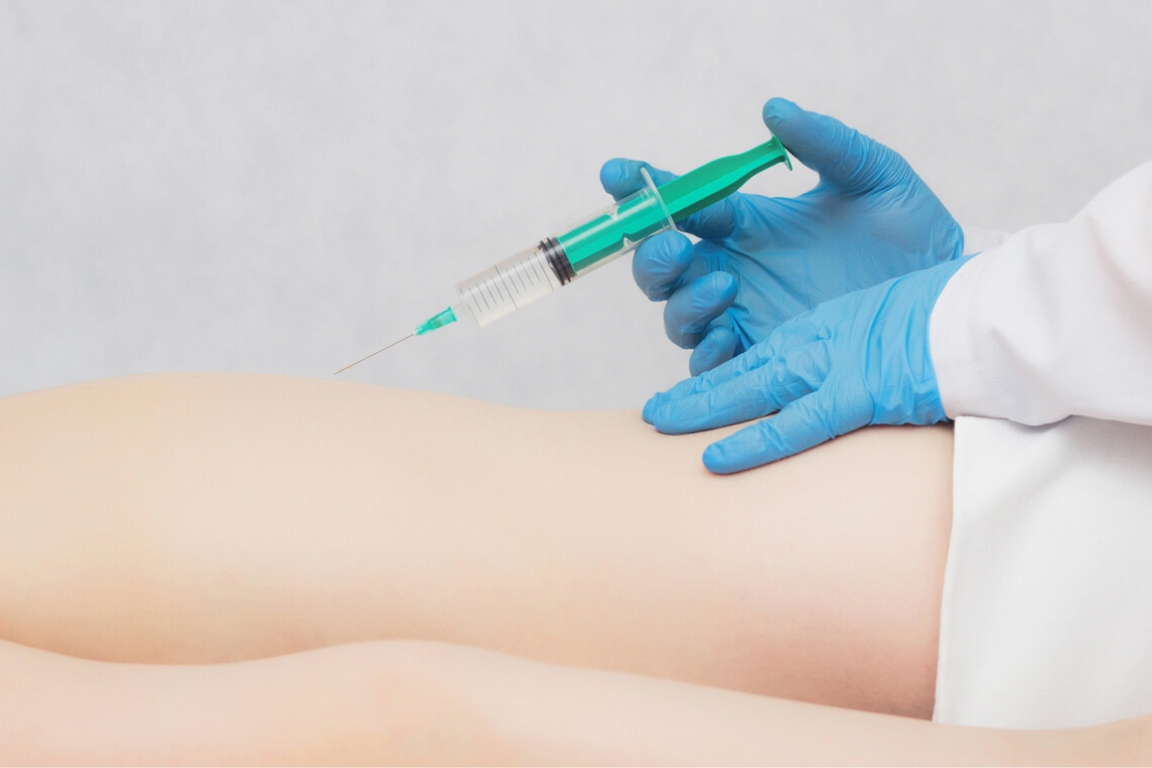
Non-surgical radiculopathy treatment may include targeted injections to reduce nerve inflammation and improve function without surgery.
Regenerative Medicine
For degenerative disc disease or chronic instability, regenerative approaches may help support tissue healing and reduce ongoing nerve irritation.
Stability and Core Retraining
Long-term success often requires:
- Core stabilization
- Scapular strengthening for cervical cases
- Gluteal strengthening and muscle re-education for lumbar cases
- Movement retraining
Improving stability may help reduce recurrent nerve compression.
Nervous System Regulation
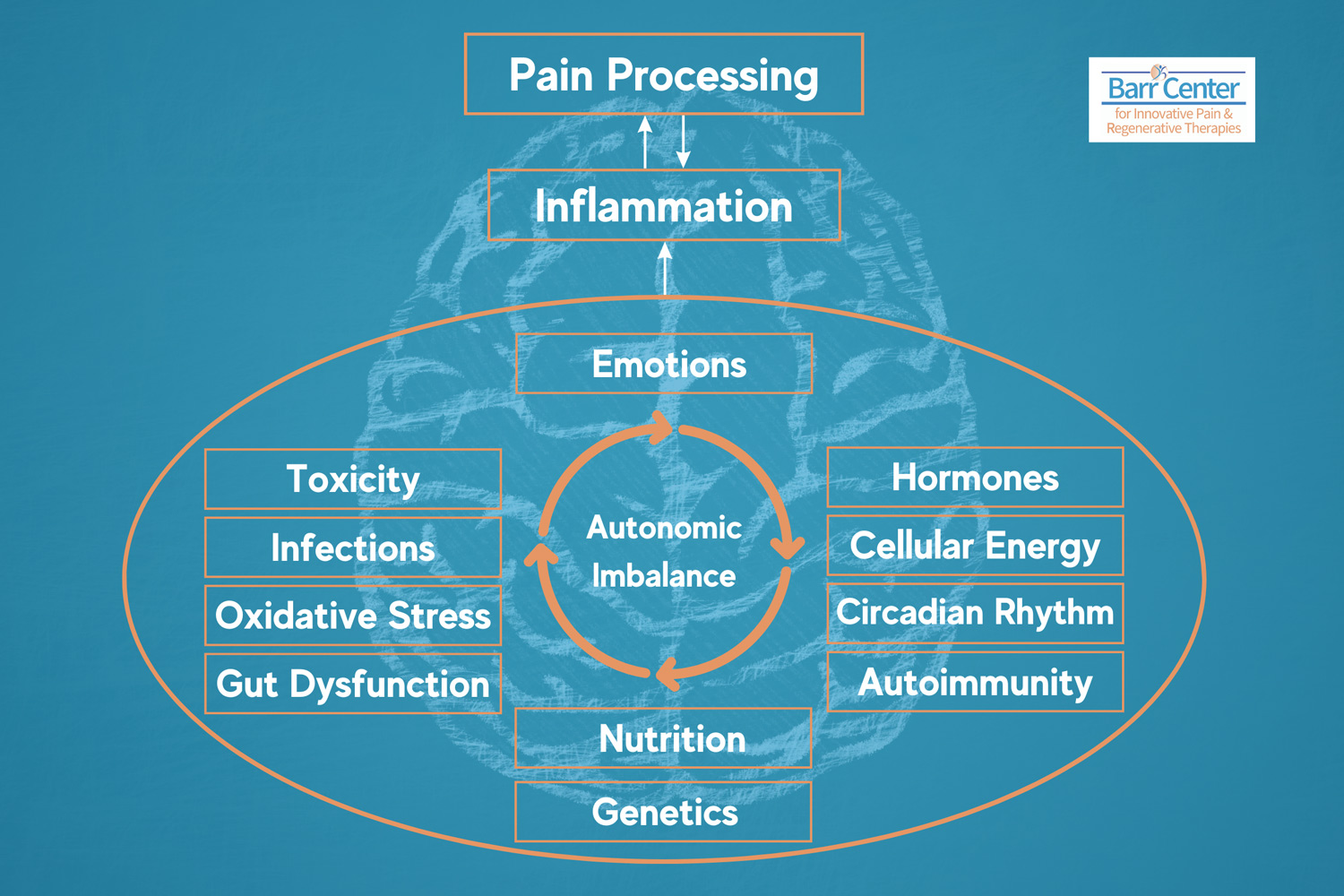
Chronic nerve pain can lead to sensitization. We may also address:
- Sleep optimization
- Stress physiology
- Inflammatory drivers
Reducing systemic stress can support nerve recovery.
When Is Surgery Necessary?
Surgery may be considered if there is:
- Failure to respond to conservative treatment, including epidural injections, medication management, and physical therapy
- Progressive neurological weakness
- Loss of bowel or bladder control
- Severe, unrelenting pain
- Structural compression that does not respond to conservative care
Many mild to moderate cases improve without surgery.
Frequently Asked Questions
Can radiculopathy heal on its own?
Yes, some cases improve with conservative care, but persistent symptoms should be evaluated.
How long does radiculopathy last?
Recovery can range from weeks to months depending on severity and the underlying cause.
Is sciatica the same as lumbar radiculopathy?
Sciatica is a common term used to describe lumbar radiculopathy affecting the sciatic nerve pathway.
Radiculopathy Treatment in Virginia Beach
If you are searching for sciatica treatment in Virginia Beach, a cervical radiculopathy specialist, thoracic nerve pain treatment, or non-surgical back pain treatment, Barr Center offers advanced diagnostic precision and regenerative options tailored to your condition.
Key Takeaway
Radiculopathy is nerve root irritation in the cervical, thoracic, or lumbar spine that can cause radiating pain, numbness, or weakness. Accurate diagnosis and targeted, non-surgical treatment can help restore function and reduce progression.