Understanding Wharton’s Jelly and Amniotic-Derived Products at Barr Center
If you are searching for regenerative therapy in Virginia Beach, you may have heard about Wharton’s jelly or amniotic-derived products for joint pain, tendon injuries, or arthritis.
At Barr Center for Innovative Pain & Regenerative Therapies, we focus on evidence-informed regenerative strategies designed to support the body’s natural healing processes.
What Are Regenerative Therapies?
Regenerative therapies are designed to support tissue repair by enhancing the body’s natural healing response.
Unlike treatments such as steroid injections that mainly suppress inflammation, regenerative approaches are designed to:
- Improve tissue signaling
- Support collagen repair
- Reduce chronic inflammation
- Enhance recovery
Regenerative therapies are treatments designed to support the body’s natural healing processes by enhancing cellular signaling, reducing inflammation, and promoting tissue repair.
What Is Wharton’s Jelly?
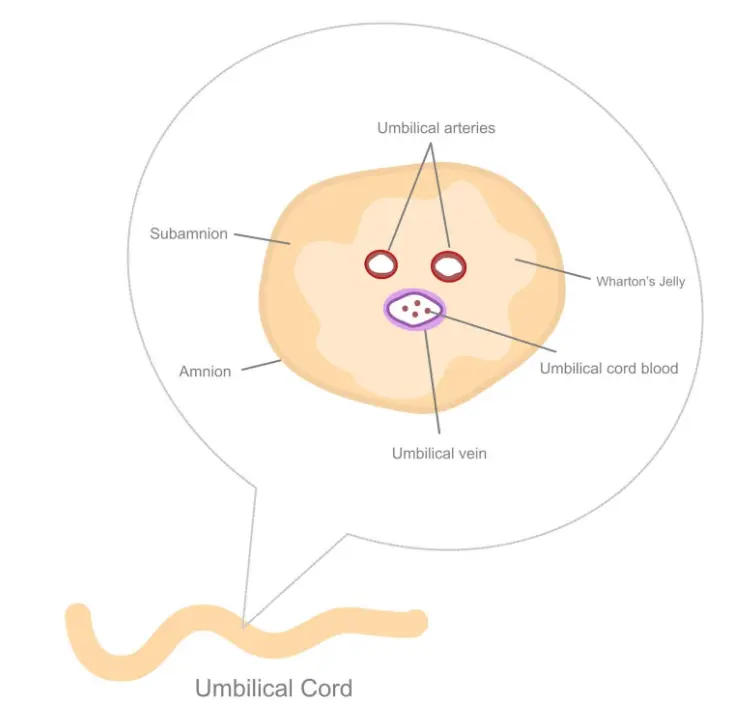
Wharton’s jelly is a gelatinous connective tissue found within the umbilical cord. It contains structural components and bioactive signaling molecules that may support tissue repair.
In medical applications, Wharton’s jelly-derived products are processed and used for their:
- Growth factor content
- Extracellular matrix components
- Anti-inflammatory signaling properties
Commercially available Wharton’s jelly products are typically acellular, meaning they do not contain living stem cells.
Wharton’s jelly-derived products are regenerative biologic materials sourced from umbilical cord tissue that contain growth factors and extracellular matrix components that may support tissue repair.
It is important to note that commercially available products are generally acellular and are not the same as live stem cell injections.
What Are Amniotic-Derived Products?
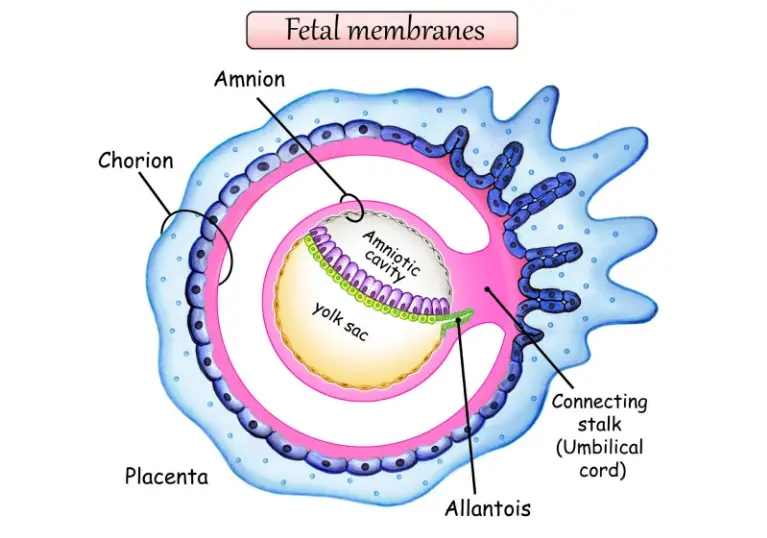
Amniotic tissue surrounds and protects the developing fetus. Processed amniotic-derived products may contain:
- Growth factors
- Anti-inflammatory cytokines
- Extracellular matrix proteins
- Bioactive signaling molecules
Amniotic-derived products are biologic materials processed from amniotic tissue that may support healing and reduce inflammation through signaling and extracellular matrix support.
Like Wharton’s jelly products, these are generally acellular and are used for their signaling properties rather than for live stem cell content.
Conditions Commonly Treated With Regenerative Therapies
At Barr Center, regenerative therapies may be considered for:
- Knee, hip, and shoulder osteoarthritis
- Shoulder and hip tendon injuries
- Hip pain
- Chronic tendonitis and small partial-thickness tears
- Ligament instability
- Plantar fasciitis
- Mild-to-moderate joint degeneration
Patient selection and accurate diagnosis are essential.
How We Evaluate Candidates at Barr Center
Comprehensive Clinical Evaluation
We begin with a detailed clinical evaluation to confirm the diagnosis and identify contributing biomechanical issues.
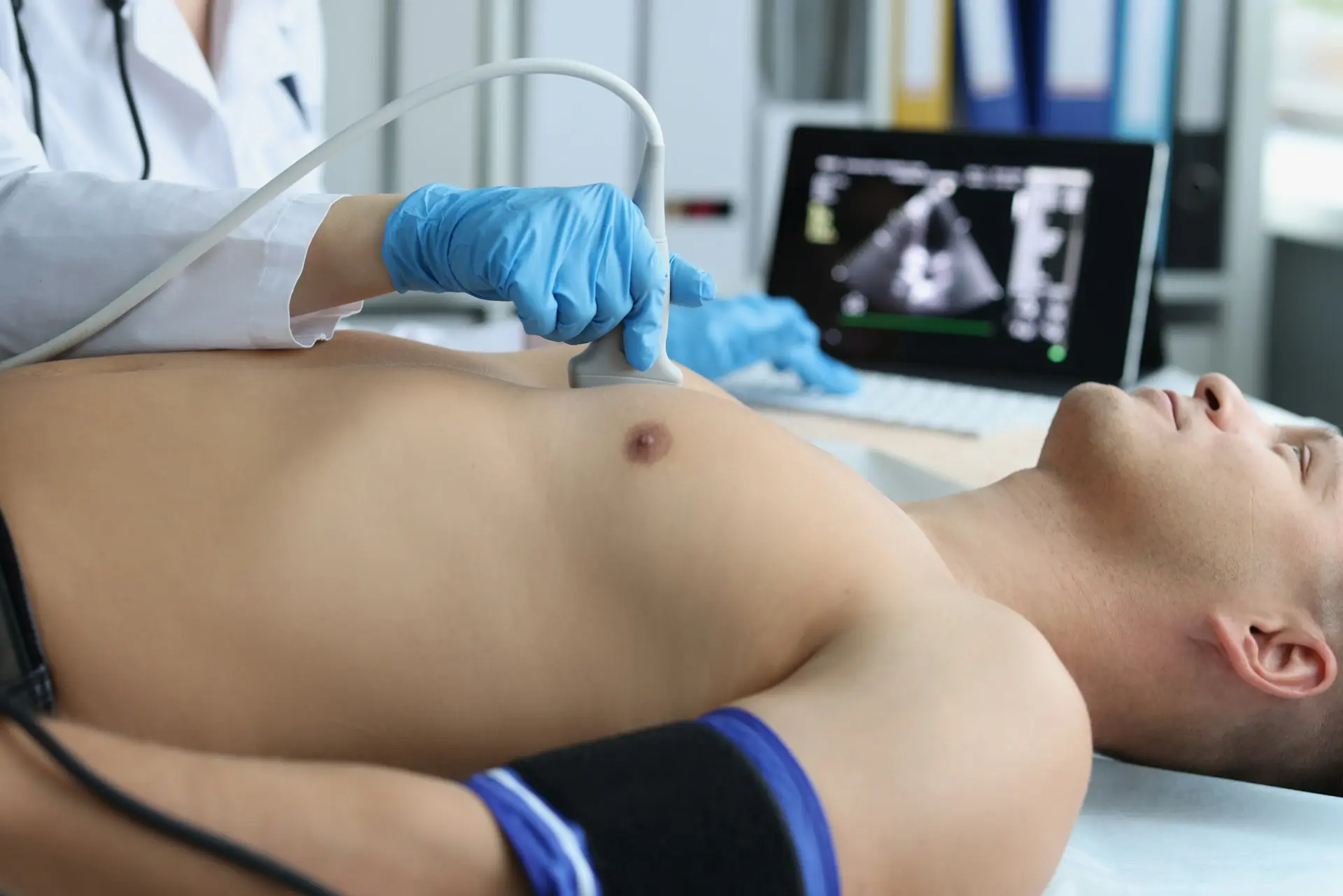
Musculoskeletal Ultrasound
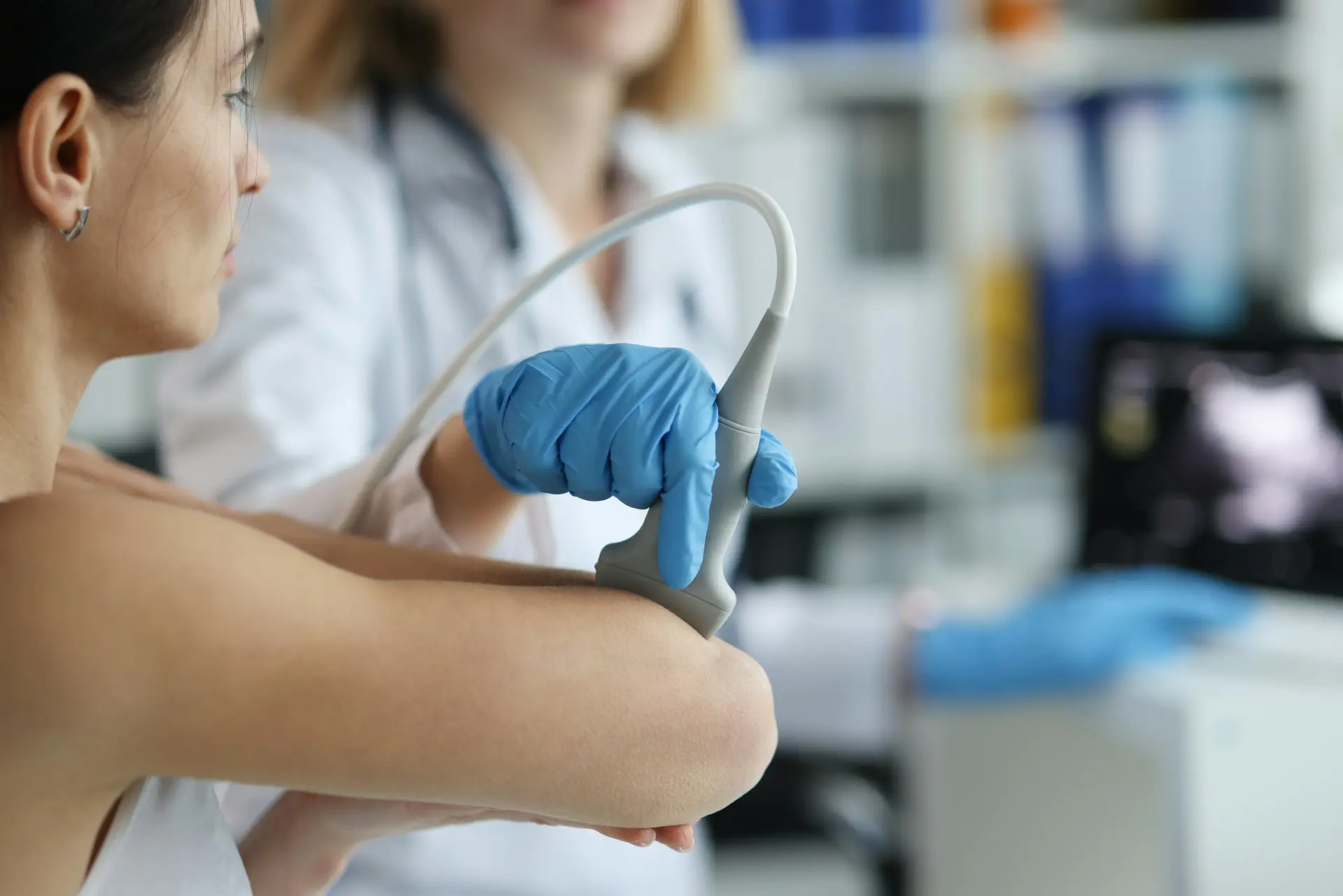
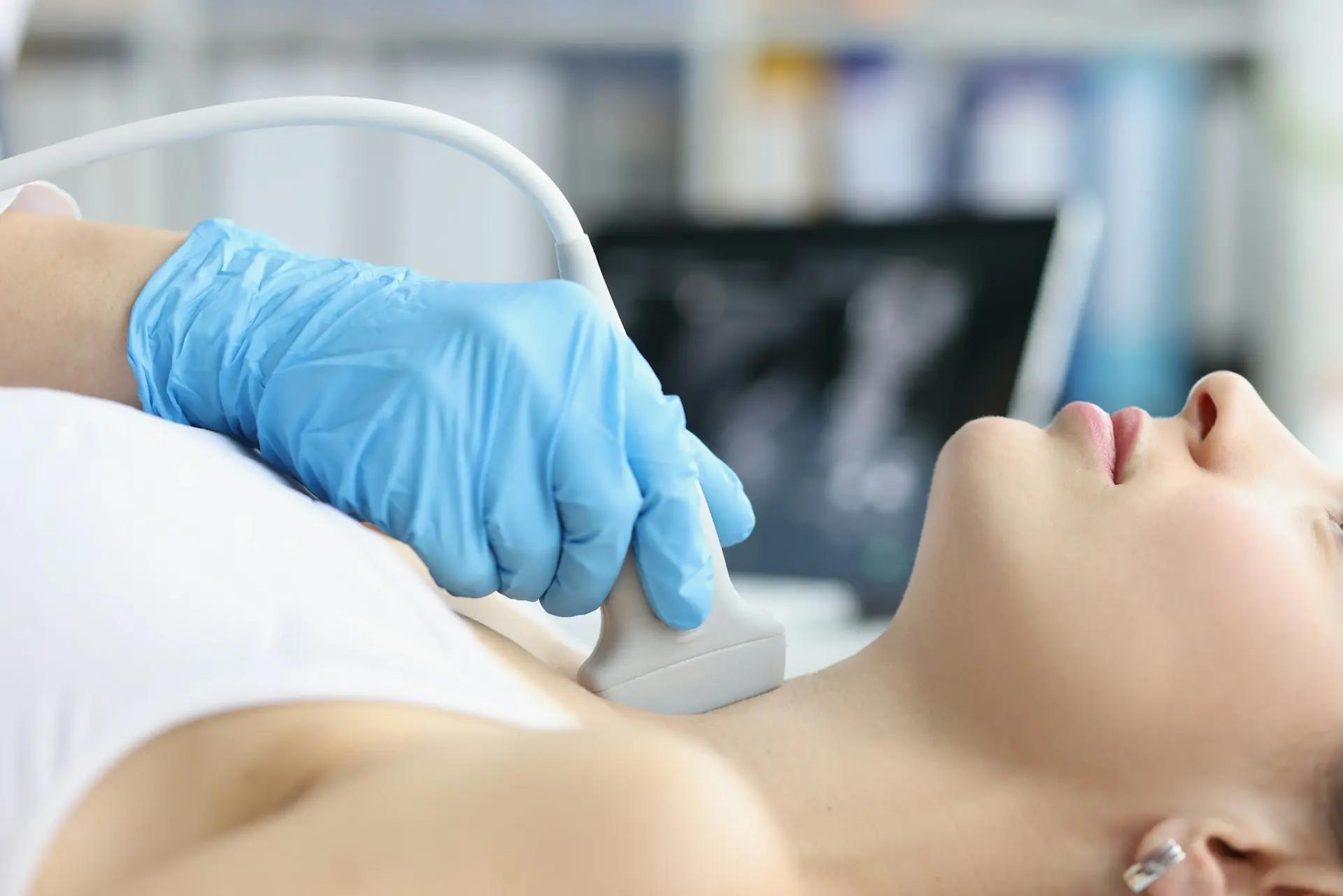
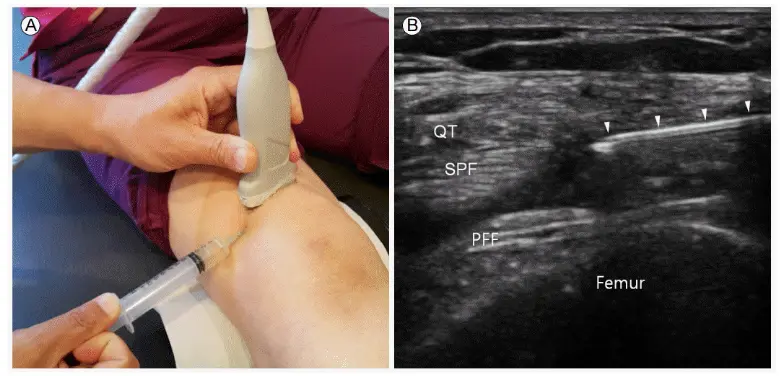
We use musculoskeletal ultrasound to visualize tissue degeneration, inflammation, or instability in real time.
Review of Imaging
We also review imaging to assess joint space, structural damage, and overall severity.
Regenerative treatments are most effective when used strategically and appropriately.
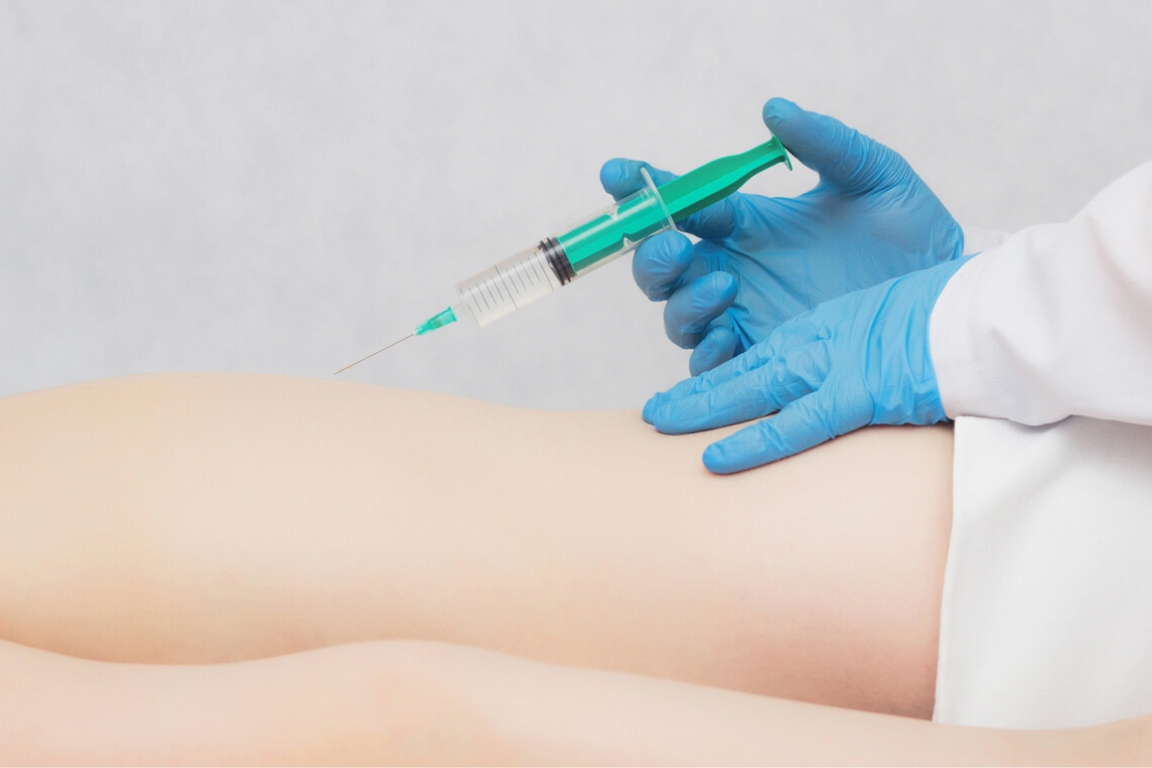
How Regenerative Injections Are Performed
At Barr Center:
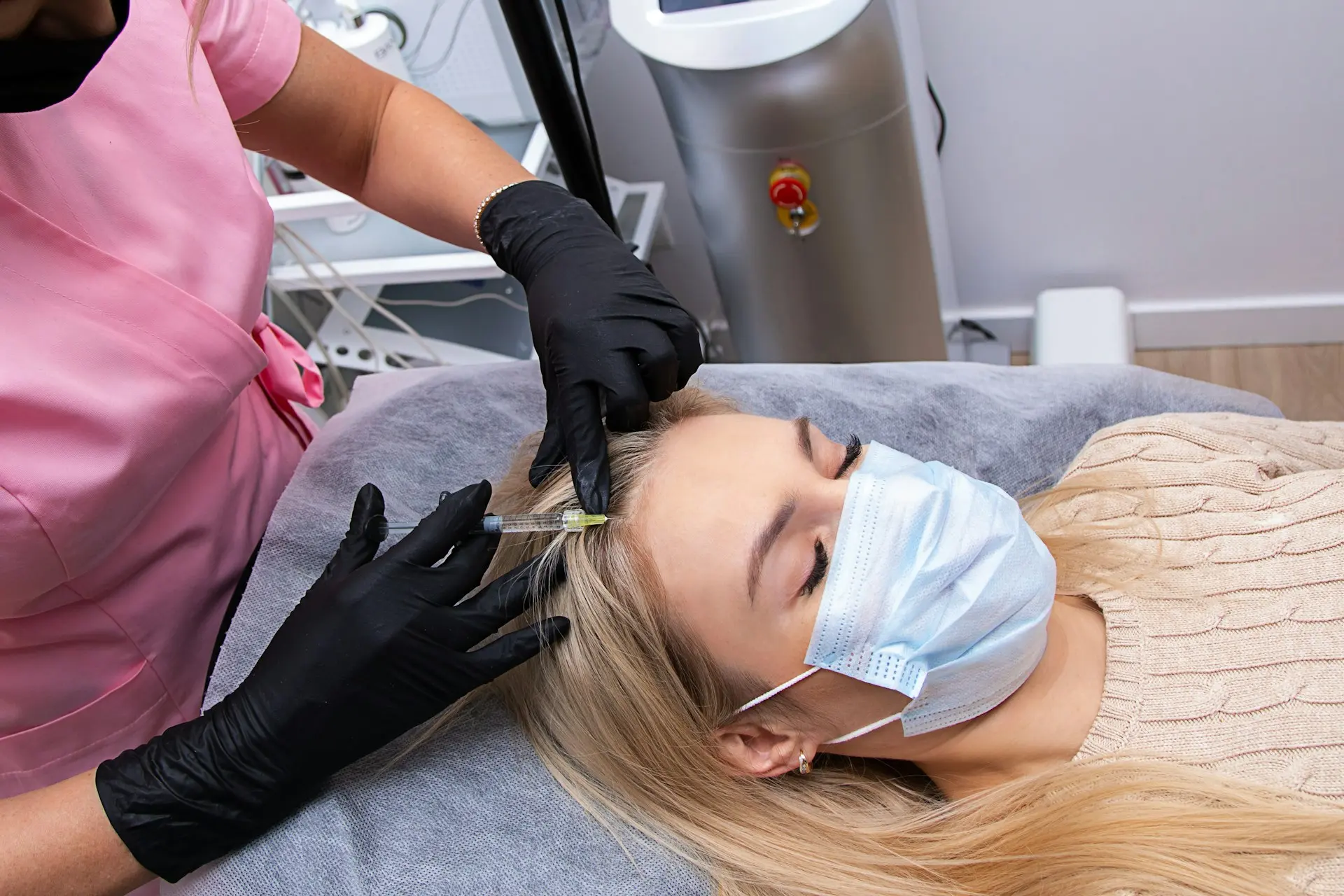
- Procedures are performed under ultrasound guidance for precision.
- Treatment is targeted directly to the injured structure.
- Post-procedure rehabilitation is customized to optimize outcomes.
Ultrasound-guided regenerative injections improve accuracy and safety by helping ensure biologic materials are delivered precisely to the affected tissue.
How Do These Compare to PRP?
We also offer platelet-rich plasma, or PRP, therapy.
| PRP / PRFM | Wharton’s Jelly / Amniotic Products |
| Uses the patient’s own blood | Derived from donated biologic tissue from placental and cord tissue obtained during planned C-sections |
| Autologous, meaning from your own body | Allograft, meaning from a donor |
| Stimulates healing through platelet-derived growth factors and is usually more cost effective | Provides extracellular matrix and signaling proteins and is typically more costly |
Both therapies work through tissue signaling, but their biologic mechanisms differ. Each option has unique considerations, and treatment selection is individualized.
When cost is a factor, PRP or PRFM is often recommended first. Barr Center has seen good results with both. In some cases, more than one injection may be needed, but healing time is usually allowed before deciding on additional treatment. PRP may also be combined with Wharton’s jelly or amniotic allograft in select cases.
Important Considerations
- Not all regenerative products are the same.
- Regulatory status varies by product type.
- Outcomes depend on condition severity and patient-specific factors.
- Regenerative therapies are not guaranteed cures.
- When true stem cell procedures are called for, Barr Center can also perform bone marrow aspirate or fat grafting, which are more invasive and more expensive options.
We provide transparent education so patients can make informed decisions.
Regenerative Therapy in Virginia Beach
If you are searching for Wharton’s jelly injections near me, amniotic injection therapy in Virginia Beach, non-surgical arthritis treatment, or a regenerative medicine specialist in Virginia Beach, Barr Center offers precision diagnostics and personalized regenerative strategies.
Key Takeaway
Wharton’s jelly and amniotic-derived products are regenerative biologic materials that may support tissue repair through growth factors and extracellular matrix signaling. When combined with accurate diagnosis and guided rehabilitation, they may offer non-surgical options for certain painful conditions.
At Barr Center for Innovative Pain & Regenerative Therapies in Virginia Beach, we combine advanced imaging, thoughtful patient selection, and precision-guided injections to deliver evidence-informed regenerative care.
Frequently Asked Questions About Wharton’s Jelly and Amniotic-Derived Regenerative Products
Are Wharton’s jelly or amniotic injections made of living stem cells?
Most commercially available Wharton’s jelly and amniotic-derived products used in outpatient orthopedic settings are acellular, meaning they do not contain viable living stem cells. They work primarily through biologic signaling molecules rather than cellular replacement.
What do these regenerative products actually deliver?
Wharton’s jelly and amniotic-derived biologics may contain:
- Growth factors
- Extracellular matrix components
- Anti-inflammatory cytokines
- Bioactive signaling molecules
- Extracellular vesicles, depending on preparation
These components help create a more pro-healing environment in injured tissue.
How do growth factors help tissue repair?
Growth factors are signaling proteins that may:
- Stimulate collagen production
- Recruit local repair cells
- Support blood vessel formation
- Activate tissue remodeling pathways
Common growth factors found in perinatal-derived products may include:
- Transforming growth factor, or TGF-beta
- Vascular endothelial growth factor, or VEGF
- Platelet-derived growth factor, or PDGF
- Fibroblast growth factors, or FGFs
These do not become new tissue. They signal your body’s own cells to help repair damaged areas.
What is the extracellular matrix, and why does it matter?
The extracellular matrix is the structural framework that supports cells.
Wharton’s jelly-derived products may contain extracellular matrix components such as:
- Collagen
- Hyaluronic acid
- Proteoglycans
These materials may provide a temporary scaffold that supports cell migration, hydration, and tissue organization.
What is their mechanistic role?
- Provide a temporary biologic scaffold
- Support cell migration
- Improve tissue hydration
- Enhance mechanical resilience
This scaffold can influence how native cells reorganize damaged tissue.
How do these products reduce inflammation?
Perinatal-derived biologics may contain regulatory cytokines that:
- Reduce pro-inflammatory signaling
- Modulate immune response
- Encourage a tissue-repair phenotype
This may help calm chronic inflammation that contributes to pain.
Do these injections regenerate cartilage or tendon directly?
No. These biologics do not directly turn into cartilage, tendon, or ligament tissue. Instead, they aim to support your body’s own healing response through cellular signaling.
What are exosomes, and are they included?
Some preparations may contain extracellular vesicles such as exosomes that carry:
- microRNA
- Signaling proteins
- Regulatory molecules
These may influence local cell behavior and gene expression. Their presence and concentration vary by product.
What Are Cytokines and Anti-Inflammatory Mediators?
Perinatal tissues contain regulatory molecules that may:
- Downregulate pro-inflammatory cytokines
- Modulate macrophage activity
- Shift immune response toward tissue repair
Mechanistic Role
- Reduce chronic inflammatory signaling
- Promote a pro-healing immune phenotype, including M2 macrophage polarization
- Calm local inflammatory cascades
This is one reason some patients report decreased pain after injection.
What Is a Bioactive Signaling Environment?
Rather than replacing tissue, these biologics aim to create a more pro-repair microenvironment.
Mechanistically, they may help:
- Enhance endogenous stem cell recruitment
- Stimulate fibroblast activity
- Improve collagen organization
- Reduce catabolic breakdown
- Shift tissue from chronic degeneration toward remodeling
What They Are Not Doing
- They are not typically delivering living mesenchymal stem cells in most outpatient products.
- They are not transforming directly into cartilage or tendon.
- They are not permanent implants.
They function primarily through signaling and modulation, not cellular replacement.
Why Does This Matter Clinically?
Degenerative tendon and joint conditions often involve:
- Disorganized collagen
- Chronic low-grade inflammation
- Poor vascular supply
- Failed healing response
Regenerative biologics aim to help support or amplify a stalled healing response.
How Does This Differ From PRP?
PRP:
- Delivers autologous platelets
- Triggers an acute inflammatory cascade
- Relies on platelet degranulation
Perinatal-derived biologics:
- Provide extracellular matrix and signaling molecules
- May offer anti-inflammatory modulation
- Do not rely on platelet activation
Both work through signaling, but through different biologic pathways.
Are regenerative biologics a cure for arthritis or tendon injuries?
No treatment is a guaranteed cure. Regenerative therapies aim to reduce pain, improve function, support tissue remodeling, and potentially slow progression. Patient selection, diagnostic accuracy, and rehabilitation all matter for the best outcomes.
Are these treatments safe?
Safety depends on product sourcing, processing standards, physician technique, and patient selection. At Barr Center, all procedures are performed under ultrasound guidance to help improve precision and safety.