An Interventional Pain and Sports Medicine Practice
At the Barr Center, we are trained to assess how your core muscles are functioning and whether you may be stuck in a dysfunctional breathing pattern contributing to neck and back pain. This is commonly referred to as a reverse breathing pattern.
Because the low back supports the entire weight of the body and allows us to move and resist gravity, it undergoes significant wear and tear throughout life. Low back pain can inhibit basic day-to-day activities including walking, standing, getting in and out of a car, and even sleeping. Severe low back pain is the most common cause of disability. Patients who visit the Barr Center often find that back pain limits the active lifestyle they enjoy due to injury, overuse, or the cumulative effects of aging. Degenerative changes in the spine are a natural part of aging and do not always require injections or surgery. Sometimes the solution lies in correcting mechanical issues, improving posture, changing diet, and making lifestyle adjustments. We help you determine the right course of care, whether that involves osteopathic manipulation, physical therapy, or interventional procedures such as x-ray-guided injections and radiofrequency ablation.
Our treatments focus on restoring your ability to live a healthy, active lifestyle. This begins by identifying the sources of your pain. Treatment first targets the primary pain generators and then expands to address compensatory issues such as gait abnormalities, posture problems, leg length differences, balance disturbances, core weakness, breathing dysfunction, training errors, and even foot mechanics. Low back pain commonly develops from wear and tear, overuse, injury, or the natural aging process. Pain may arise from the low back itself or from surrounding muscles, ligaments, and tendons in the pelvis, hips, and trunk. Arthritis of the lumbar spine typically causes pain with bending, standing, and walking. Pain that worsens at night or is associated with fever or chills should be reported immediately. Degenerative lumbar issues at L4-5 and L5-S1 can refer pain into the hip or knee, making diagnosis more complex. Pelvic and sacroiliac joint dysfunction can also contribute to low back pain. Referred pain comes from another structure, while sciatica results from nerve compression due to disc herniation, bone spurs, or stenosis. Abdominal or pelvic conditions such as diverticulitis, colitis, hernias, IBS, or infections can also cause low back pain. Scar tissue from abdominal or spinal surgeries can restrict movement and contribute to pain as well.
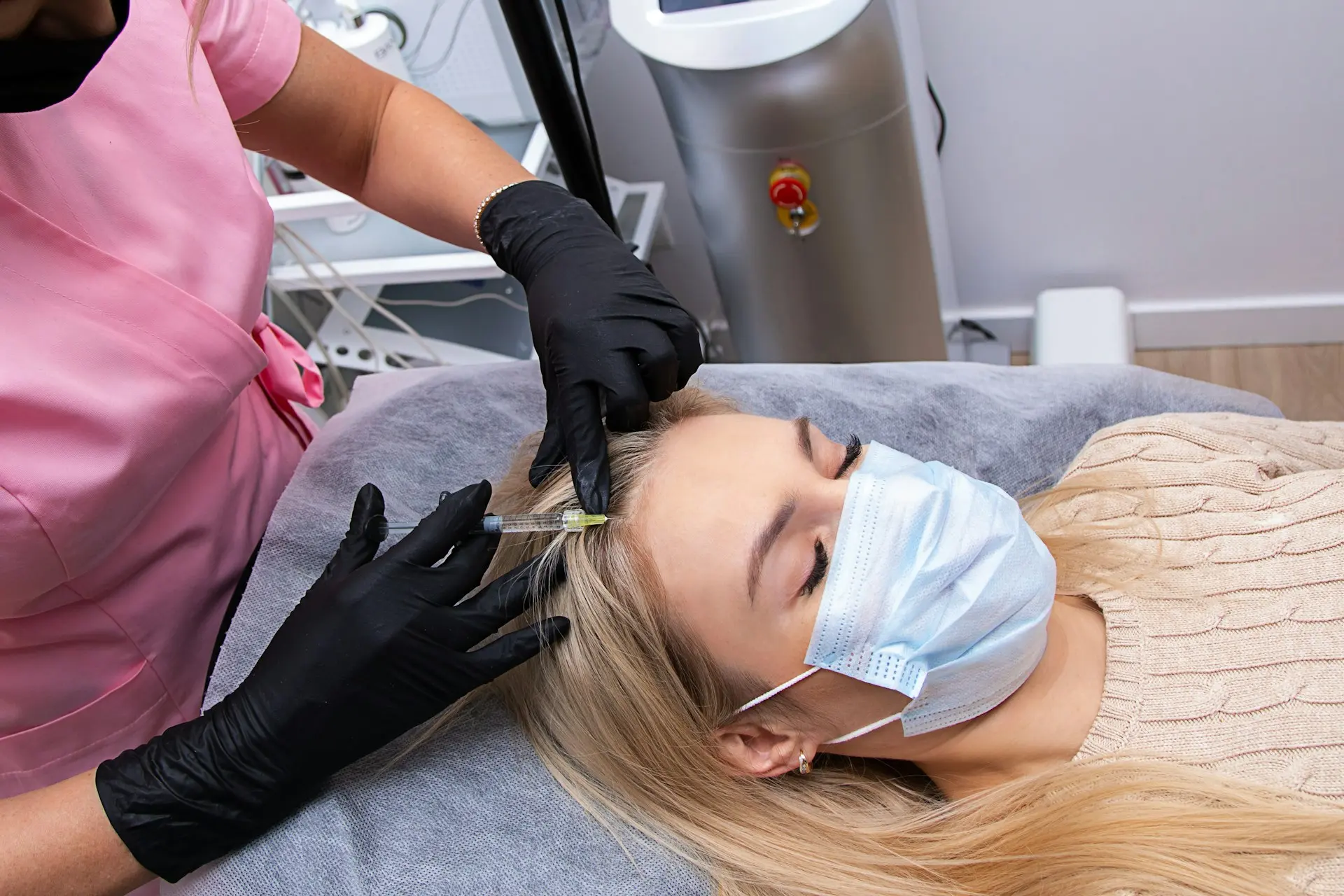
There are diagnostic only injection used to determine which degenerated, inflamed, arthritic, or traumatized joints are causing your pain. These injections are very helpful in determining effective longer lasting treatment strategies. Medical branch blocks are performed to assess Neck or Low Back pain.
If you respond well to these injections, we may recommend facet joint injection, radiofrequency ablation or PRP injection. It is important to know that insurance rules for pain management procedures are everchanging.
For most insurance, we must obtain insurance authorization prior to the procedure. We can certainly help you understand how these rules apply to you.
The medication used with medical branch blocks consist of Lidocaine & Marcaine which can yield up to 8 hours of temporary relief. During this testing period, you will need to complete a post block pain diary.
We do require you to have a driver drive you home from the medical brain block procedure, as you may experience temporary numbness. We do utilize a small amount of X-ray contrast prior to the injection. Please notify use in advance if you have a contrast allergy so that we can send in a Radin Prep to your pharmacy.
During your first appointment at the Barr Center, we will ask you to describe your pain, its history, and any suspected causes. A physical exam, x-rays, and imaging studies will follow. MRI or CT scans may be needed to clarify the root cause of your pain and guide treatment. Depending on your insurance plan, we may need to document six weeks of conservative therapy and obtain x-rays before an MRI is approved.
If you have low back pain, you are not alone. The CDC estimates that 70 to 85 percent of people will experience back pain during their lifetime. Back pain is the most common cause of limited activity and is the fifth most common reason for all physician visits. It is also a leading cause of lost productivity at work, costing employers more than $62 billion per year. Back pain may originate from the discs, joints, muscles, bones, nerves, ligaments, or other structures in the spine.
Increased risk of low back pain has been associated with body mass index (BMI), mechanical loading, genetics, collagen structure, proteins, vitamin D receptors, cartilage composition, and inflammatory markers. Smoking is also linked with accelerated disc degeneration due to inflammation, decreased blood supply, structural changes, and impaired nutrient distribution to the disc.
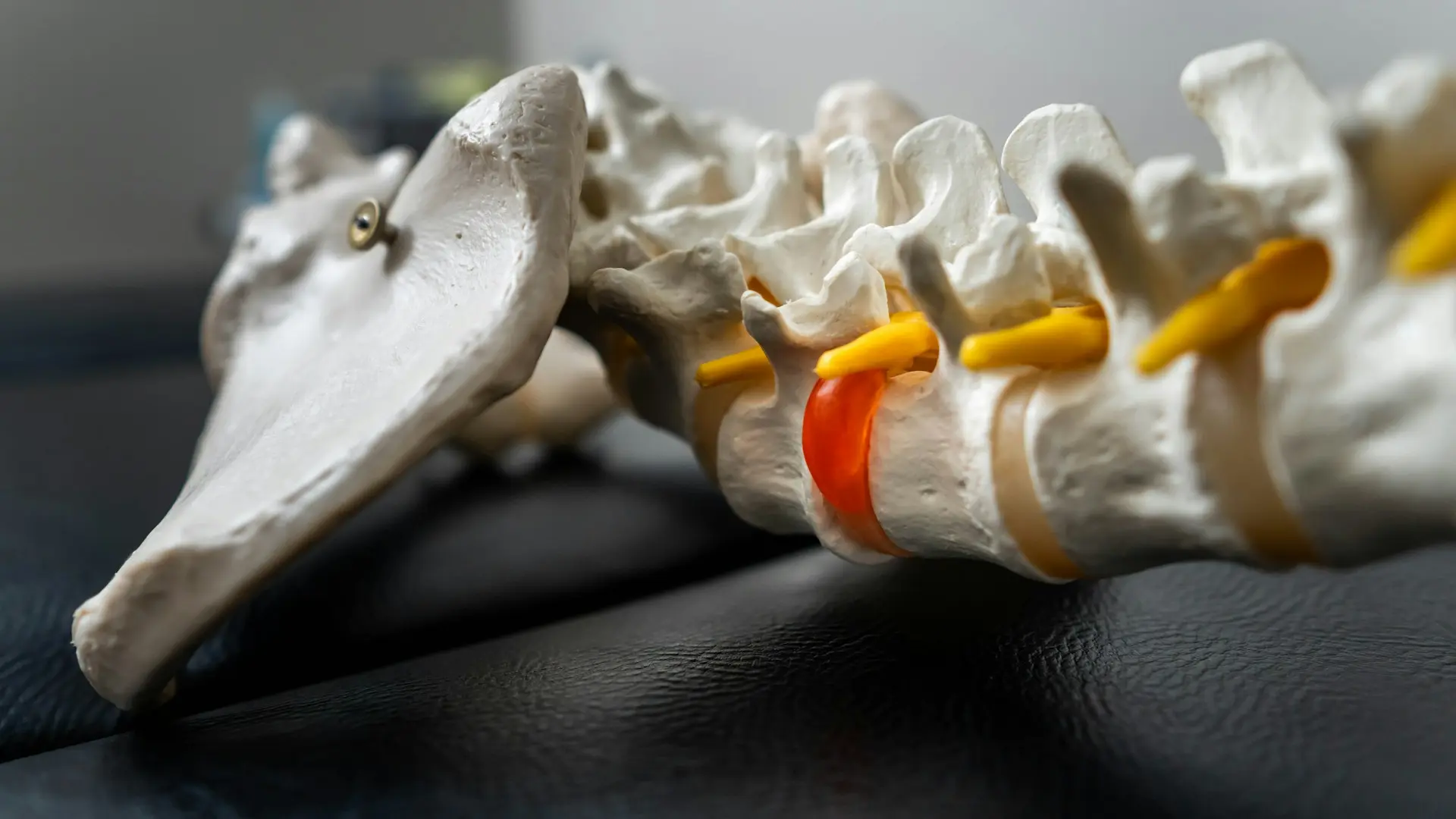
The spine is a complex network of nerves, discs, joints, muscles, tendons, and ligaments, all of which can generate pain. Large nerves that originate in the spine supply the legs and arms, causing radiating pain when irritated.
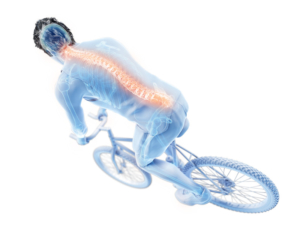 The spine is composed of vertebrae stacked on top of each other: seven cervical vertebrae, twelve thoracic vertebrae, five lumbar vertebrae, the sacrum, and the coccyx. Together, they form an S-shaped column supported by muscles and ligaments. The spine supports body weight, maintains posture, and allows for bending, twisting, and rotation. Between each vertebra is an intervertebral disc which acts as a spacer and shock absorber. The spine also protects the spinal cord and nerves, which supply sensation and movement to the limbs and organs.
The degenerative cascade: The spine is designed to withstand daily stresses, but excessive strain or injury can overstretch muscles and ligaments, damage discs, and narrow joint spaces, leading to nerve compression. As we age, discs lose height and hydration, progressing to degenerative disc disease. The Kirkaldy-Willis degenerative cascade describes three phases: Phase 1 (Dysfunction) involves annular fissures and tears that weaken the disc. Phase 2 (Instability) involves internal disc disruption and mechanical instability. Phase 3 (Stabilization) involves fibrosis, narrowing of disc spaces, and bone spur formation. Your location within this cascade guides your treatment plan.
Who is most affected by back pain? Back pain is most common in adults, especially men. However, children are increasingly affected due to heavy backpacks and sedentary lifestyles. People who sit for long periods, drive extensively, or operate vibration-emitting machinery are also at increased risk. The American Medical Association has stated that prolonged sitting is more dangerous to overall health than smoking.
What causes back pain? Back pain may be acute (sudden trauma) or chronic (long-term). Common causes include traumatic injuries, repetitive stresses, disc degeneration, arthritis, poor posture, and genetics.
Characteristics of back pain: Back pain may be constant or intermittent, localized or radiating, dull or sharp, and may cause weakness, numbness, or tingling. Pain may radiate into the legs or feet depending on nerve involvement.
How is back pain diagnosed? Diagnosis includes reviewing your pain history and assessing the location, duration, and radiation of symptoms; pain with coughing or sneezing; night pain; past injuries; aggravating and relieving factors; posture; range of motion; and areas of tenderness or restriction.
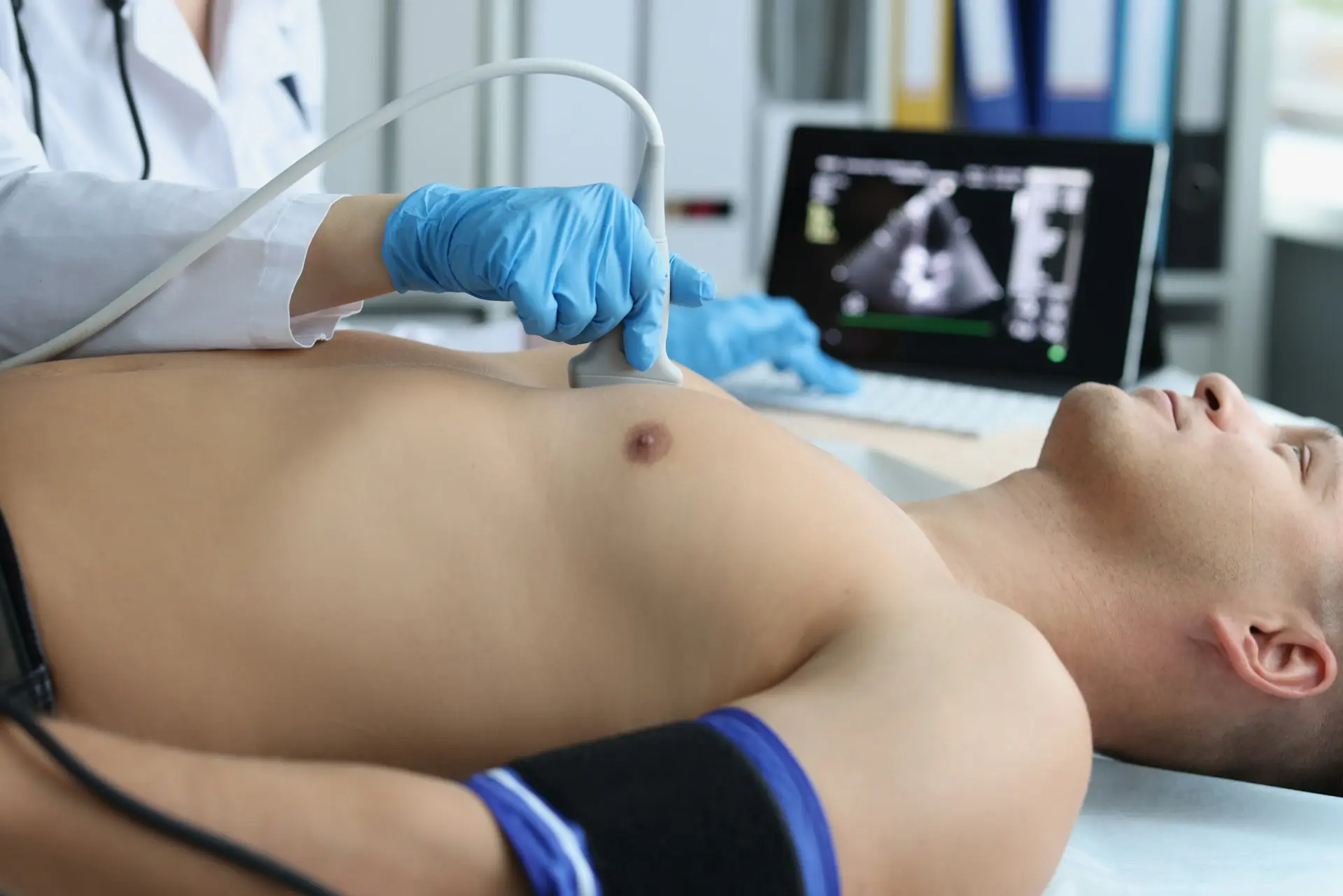
Further testing may include x-rays, CT scans, MRI, bone scans, myelogram, EMG, nerve conduction studies, epidural steroid injections, nerve blocks, or discograms.
Most back pain improves within a few weeks without medical intervention. Pain relievers, heat, and ice may help. Bed rest is discouraged, and excessive pain relievers may slow healing. If symptoms persist, your doctor may recommend stronger medications or targeted therapy. The Barr Center focuses on restoring function and reducing medication use whenever possible.
Medications
Physical Therapy
Surgery performed by spine surgeons includes:
How can I prevent back pain?
Back pain in children can be reduced by:
Call us at 757-578-2260 or email info@barrcenter.com to get started on relieving your back pain. To learn more about back anatomy and causes of pain, explore our related articles below.
Other pain management conditions we treat include: Neck Pain, Shoulder Pain, Hip Pain, and Knee Pain. We often use Regenerative Medicine and sometimes combine physical therapy with our treatments.
Experiencing Pain?
Reach Out To Us About Medication-Free Treatment
"*" indicates required fields
“I came in bent over and could barely move because of my back spasms. I was given an injection in my back and it was like a miracle. It is still doing great 6 months later. Now I am being seen for my knee and my shoulder.” Patient