Evaluation and Advanced Care at Barr Center
If you are searching for nerve pain treatment in Virginia Beach, you may be dealing with an entrapment neuropathy, a condition in which a peripheral nerve becomes compressed or irritated as it travels through tight anatomical spaces.
At Barr Center for Innovative Pain & Regenerative Therapies, we specialize in precision diagnosis and regenerative treatment of common nerve entrapment syndromes.
What Is an Entrapment Neuropathy?
An entrapment neuropathy occurs when a nerve is compressed by surrounding tissues such as muscle, fascia, ligament, or bone.
Quick Definition
Entrapment neuropathy is a condition in which a peripheral nerve becomes compressed or irritated, causing pain, numbness, tingling, or weakness along the nerve’s pathway.
Common Types of Entrapment Neuropathies
We frequently evaluate and treat:
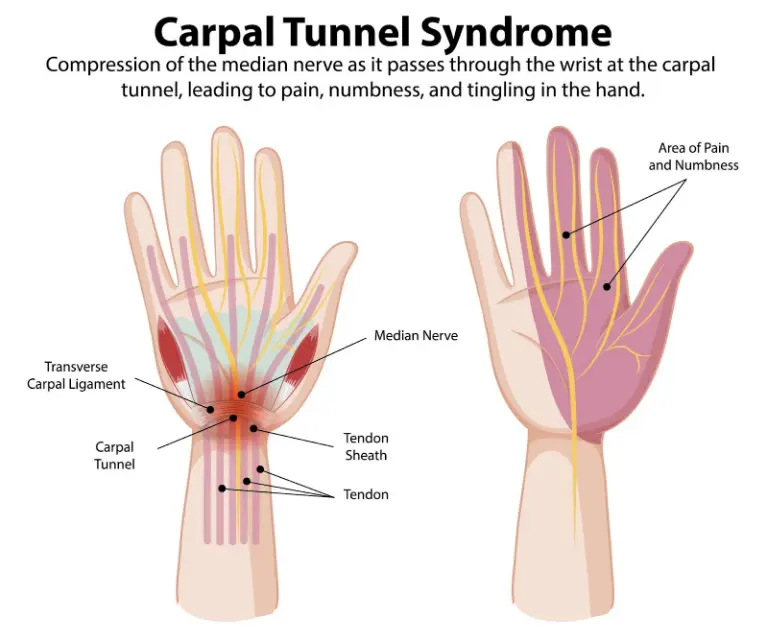
Carpal Tunnel Syndrome
Compression of the median nerve at the wrist can cause hand numbness, tingling, and weakness.
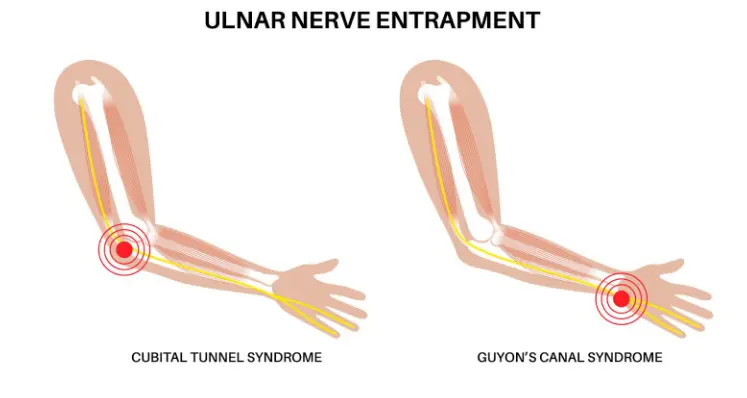
Cubital Tunnel Syndrome
Compression of the ulnar nerve at the elbow can lead to numbness in the ring and small fingers.
Tarsal Tunnel Syndrome
Compression of a nerve near the inner ankle can cause burning foot pain, tingling, or numbness.
Meralgia Paresthetica
Compression of a superficial thigh nerve can cause burning, numbness, or altered sensation in the outer thigh.
Thoracic Outlet Syndrome
Nerve compression between the neck and shoulder can affect the arm and hand.
Symptoms of Nerve Entrapment
Symptoms depend on the nerve involved, but commonly include:
- Numbness
- Tingling or pins and needles
- Burning pain
- Weakness
- Muscle fatigue
- Pain that worsens at night
Snippet-Optimized Answer
The most common symptoms of entrapment neuropathy are numbness, tingling, burning pain, and weakness in the area supplied by the compressed nerve.
How We Evaluate Entrapment Neuropathies at Barr Center
Proper diagnosis is important because nerve symptoms can mimic disc herniation, arthritis, tendon disorders, or even vascular issues.
Detailed Clinical Examination
We assess:
- Symptom distribution
- Provocative maneuvers
- Muscle strength
- Sensory changes
- Postural contributors
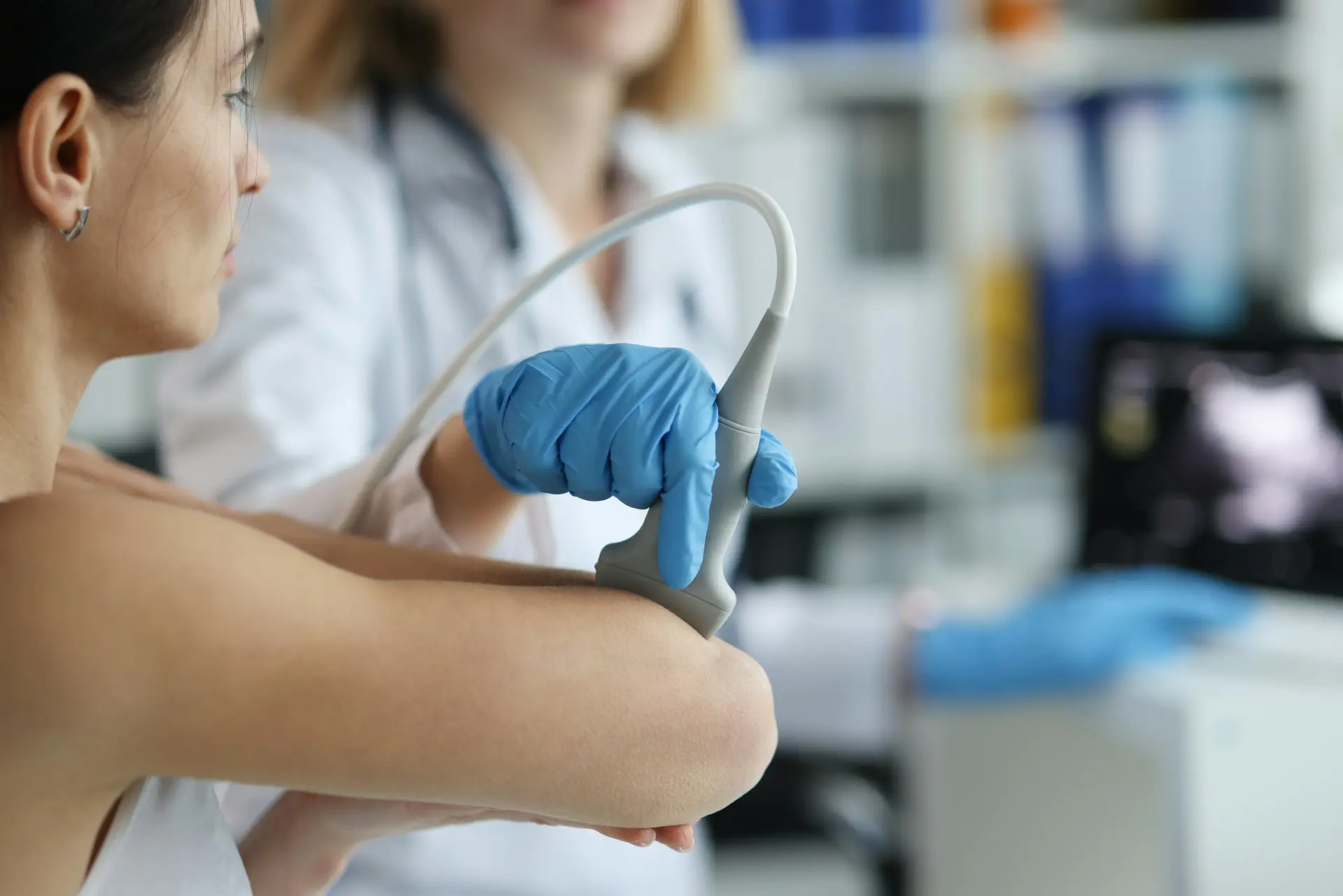
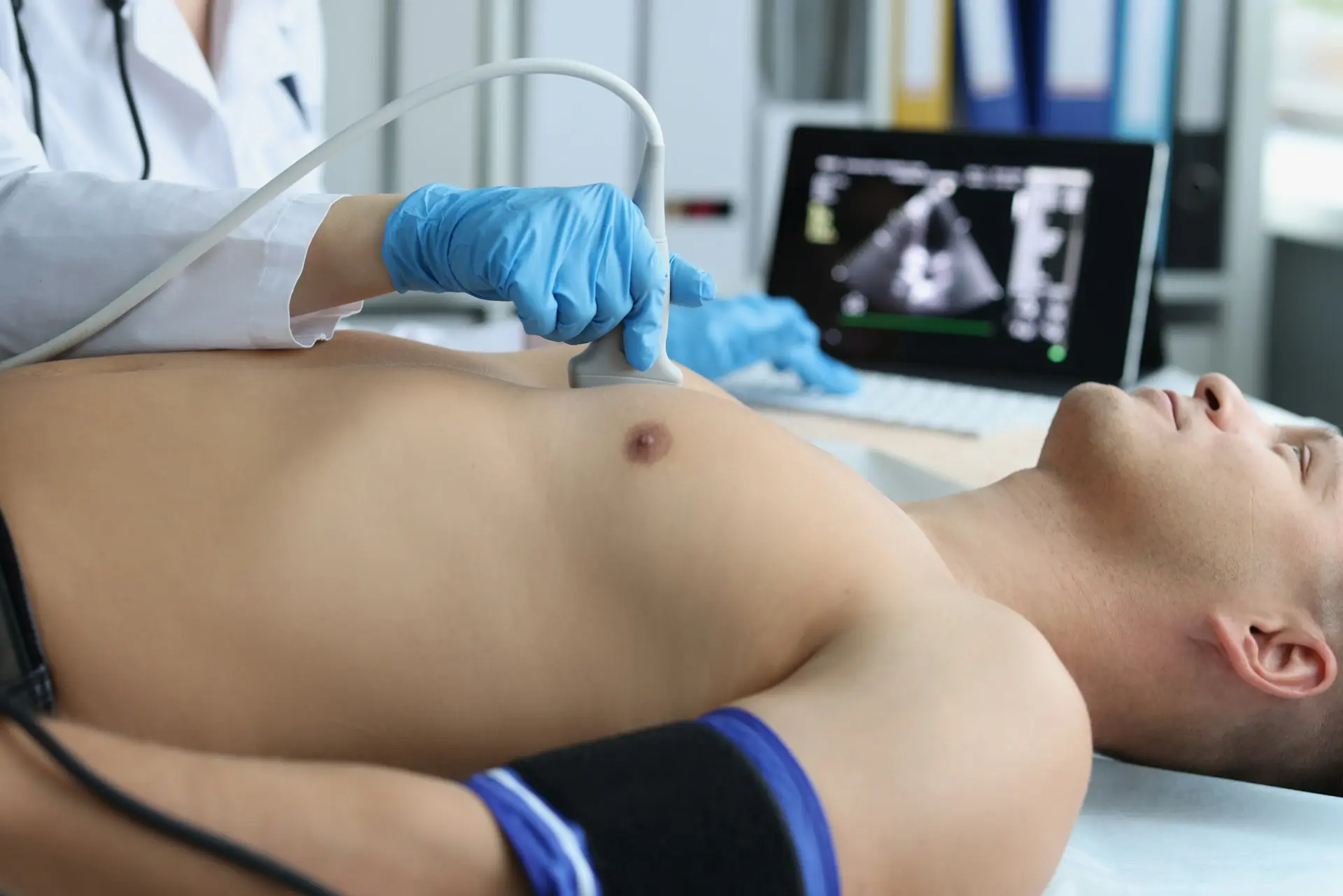
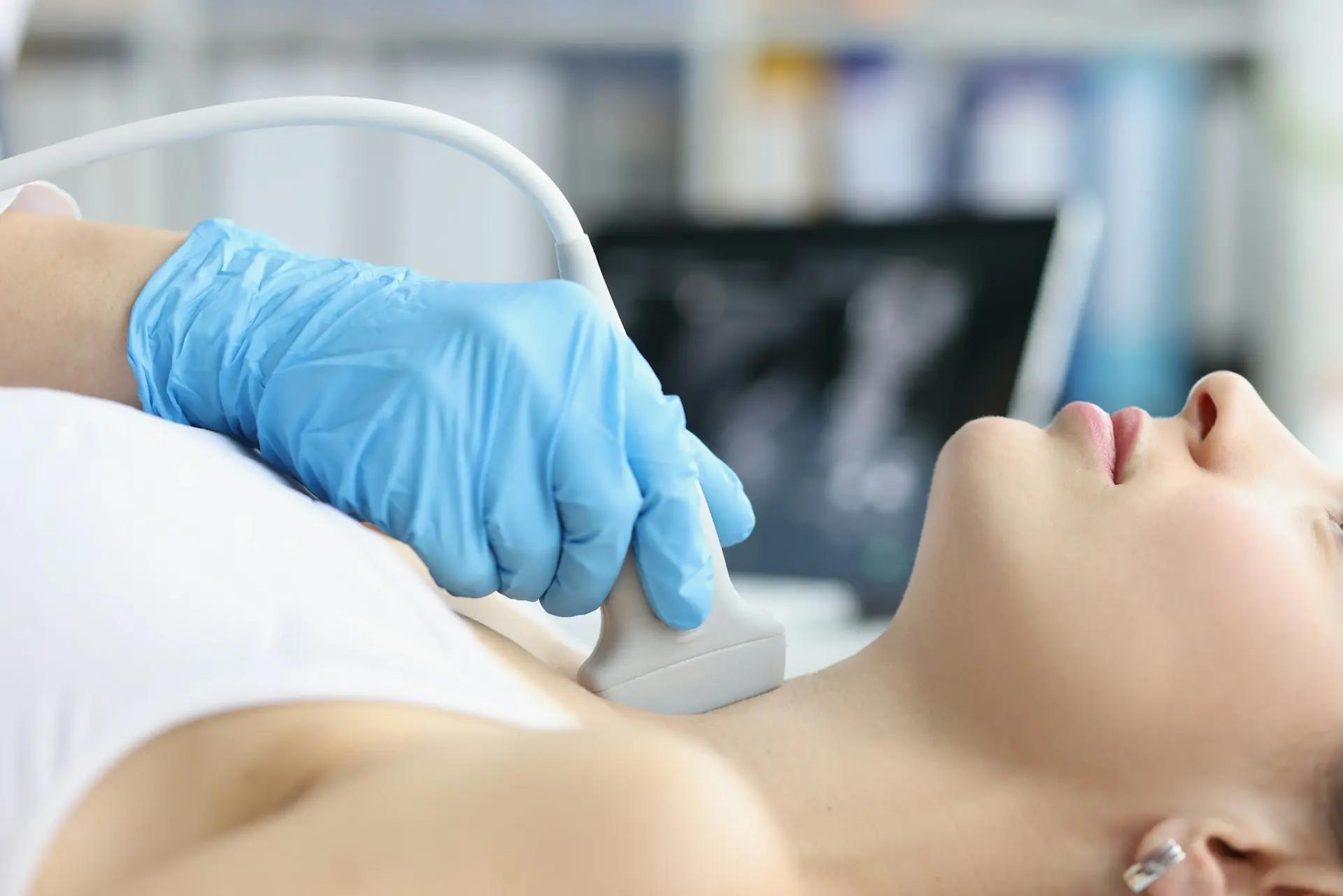
Musculoskeletal and Nerve Ultrasound
Ultrasound allows us to visualize:
- Nerve swelling
- Dynamic compression
- Fascial thickening
- Tendon inflammation
- Structural narrowing
Dynamic ultrasound can identify compression during movement, which is something MRI often misses.
Root-Cause Assessment
We evaluate contributing factors such as:
- Joint instability
- Myofascial tightness
- Overuse patterns
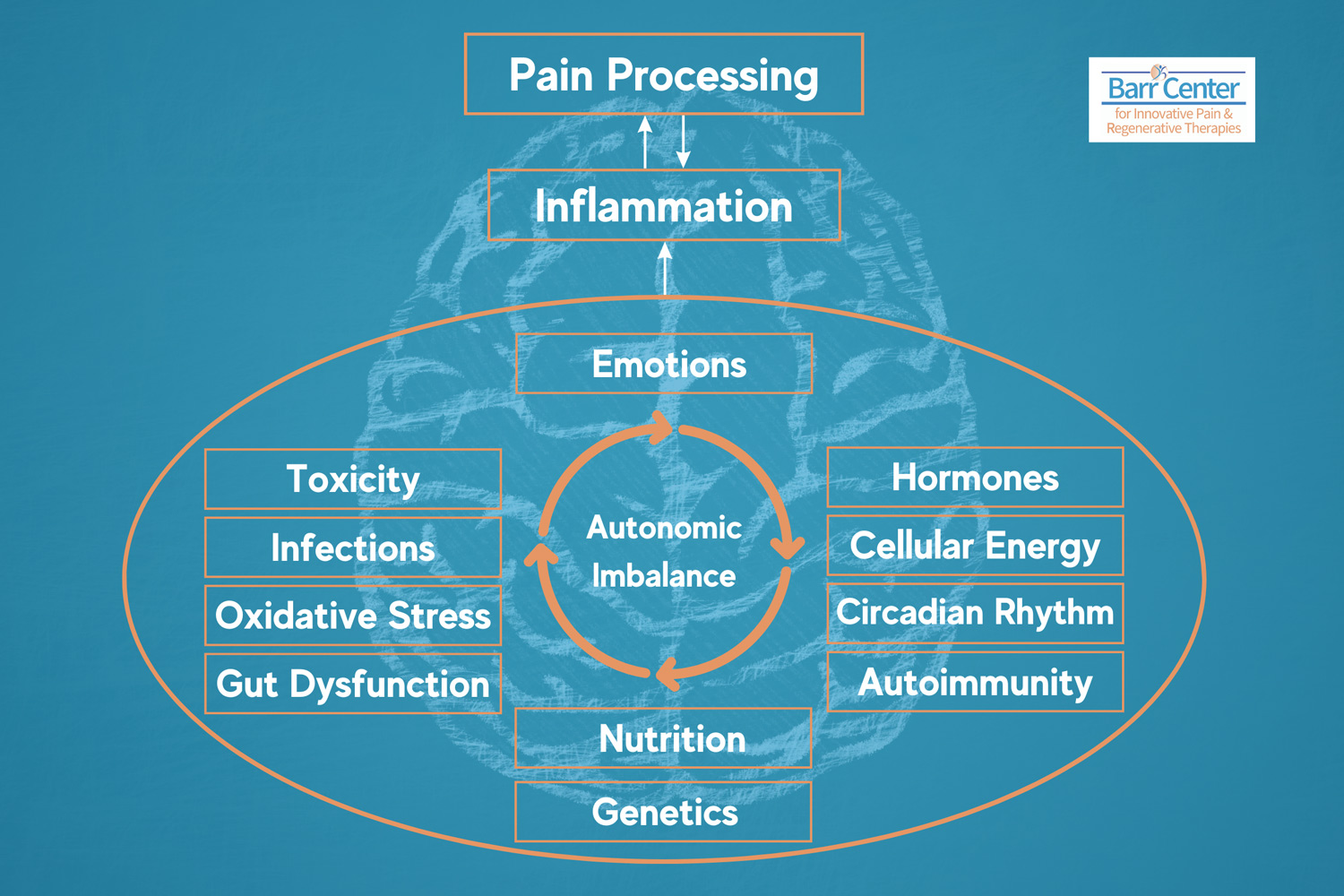
- Hormonal or inflammatory influences
- Metabolic contributors
Entrapment neuropathy is often multifactorial.
How We Treat Entrapment Neuropathy in Virginia Beach
Our treatment strategy focuses on relieving compression, restoring mobility, and supporting nerve healing.
Activity and Load Modification
Reducing repetitive strain and correcting biomechanics can help decrease nerve irritation.
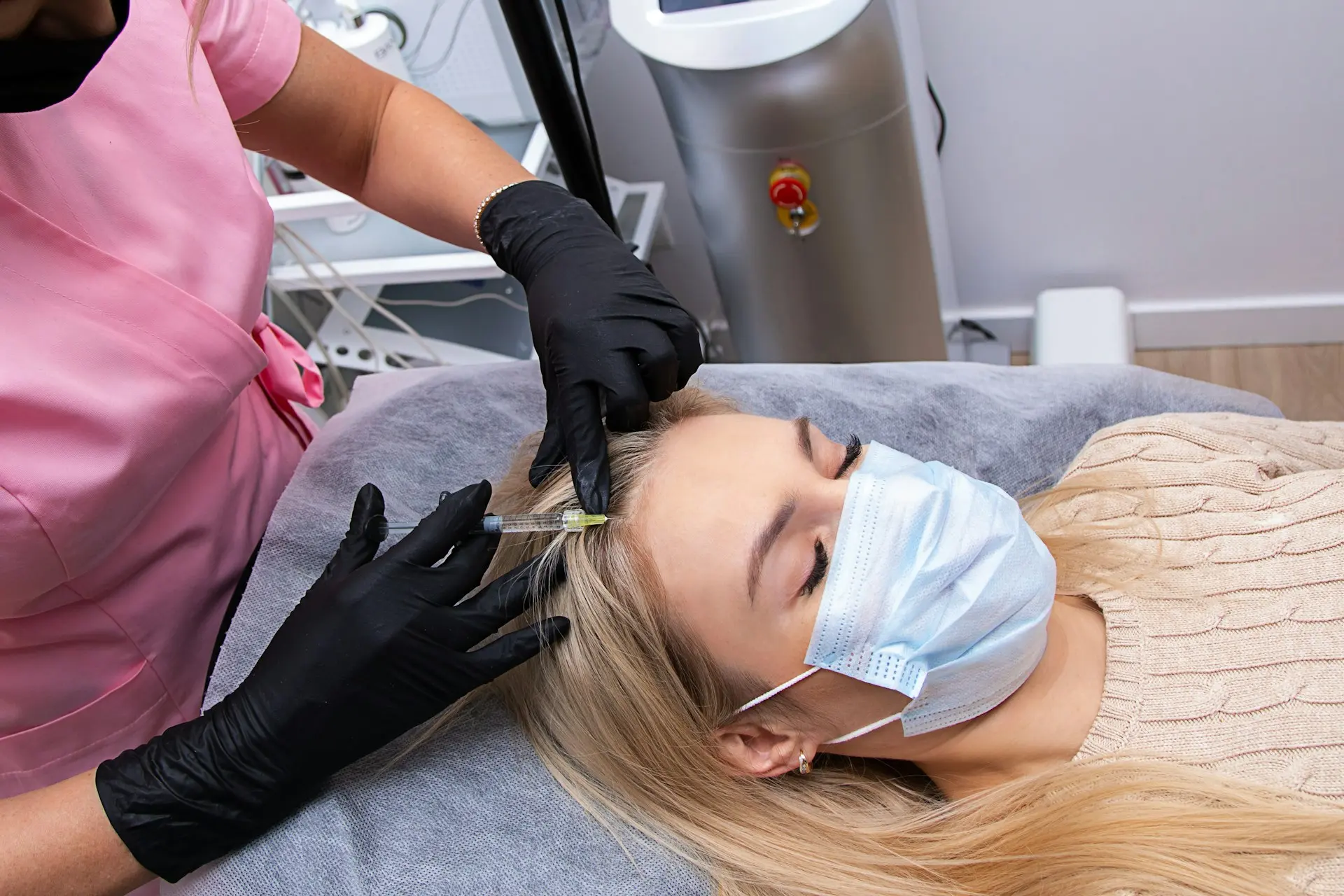
Ultrasound-Guided Hydrodissection
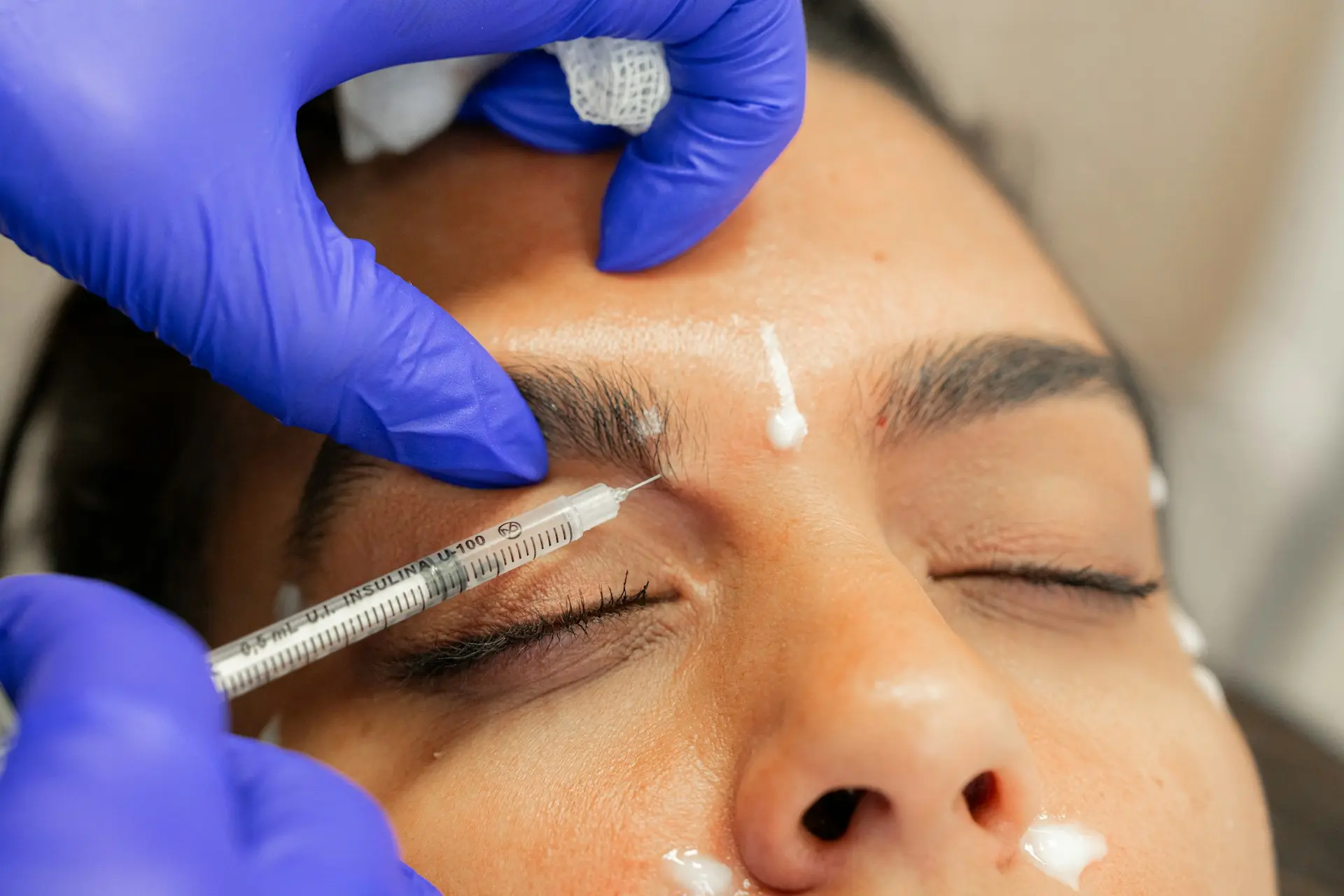
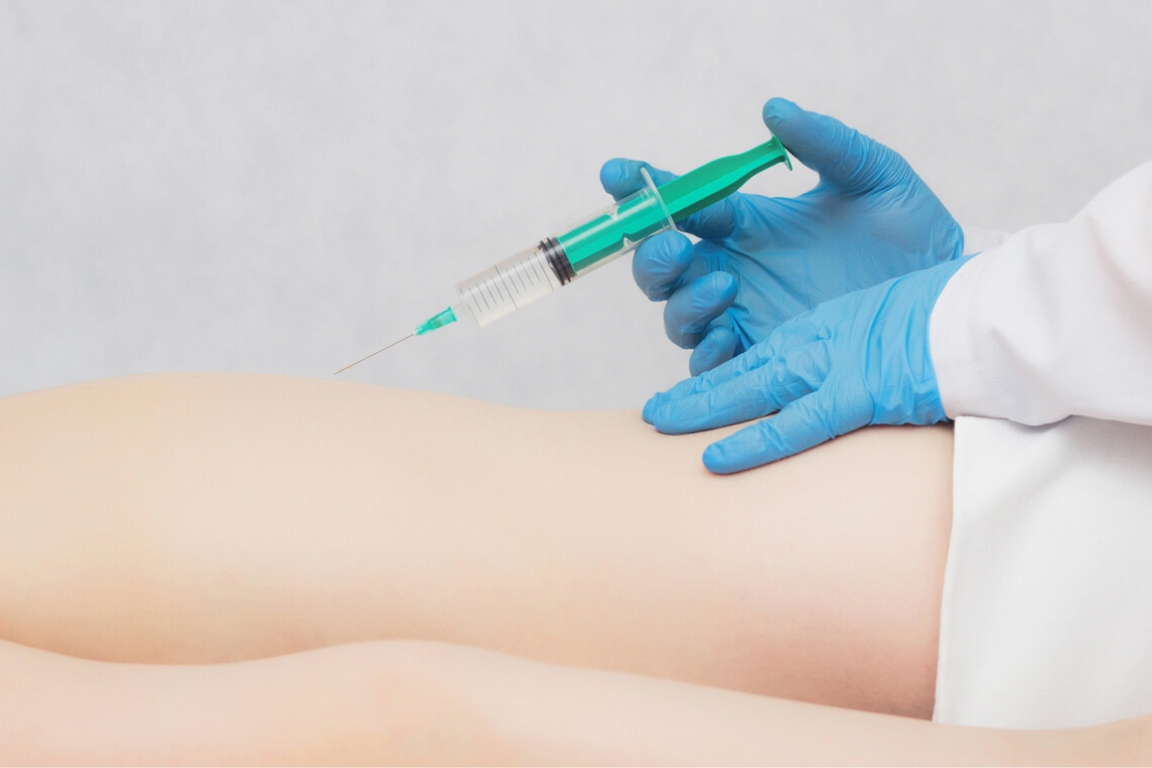
Hydrodissection involves injecting fluid around the nerve to gently separate it from surrounding compressed tissues. At Barr Center, we also have the ability to add medical-grade ozone to our nerve hydrodissection procedures.
Featured Snippet Statement
Ultrasound-guided nerve hydrodissection is a minimally invasive procedure that helps free a compressed nerve by separating it from surrounding tissues using precise fluid injection.
Regenerative Medicine
When chronic inflammation or tissue degeneration contributes to compression, we may use:
- Platelet-rich plasma (PRP)
- Orthobiologic injectables
- Prolotherapy for ligament instability
These therapies support tissue repair and may help reduce recurrent compression.
Fascial and Movement Restoration
We may incorporate:
- Osteopathic manipulation
- Myofascial release
- Stability-focused strengthening
- Postural correction
Reducing mechanical stress helps protect the nerve over the long term.
Nerve Support and Systemic Optimization
Healthy nerves require:
- Proper blood flow
- Inflammatory control
- Metabolic support
- Nervous system balance
We address sleep, nutrition, and other systemic contributors when appropriate.
When Is Surgery Necessary?
Surgery may be appropriate in more severe cases involving:
- Progressive muscle wasting
- Persistent weakness
- Severe nerve conduction changes
However, many mild-to-moderate cases improve with conservative and regenerative care.
Frequently Asked Questions
Can nerve entrapment heal without surgery?
Yes. Many cases improve with proper diagnosis, decompression, and regenerative support.
How long does nerve healing take?
Nerve recovery can take weeks to months depending on the severity and how long the nerve has been irritated.
Does entrapment neuropathy show up on MRI?
Sometimes, but dynamic compression is often better visualized with ultrasound.
Entrapment Neuropathy Treatment in Virginia Beach
If you are searching for:
- Carpal tunnel treatment in Virginia Beach
- Nerve hydrodissection near me
- Ulnar nerve pain specialist
- Foot nerve pain treatment
- PRP for nerve entrapment
Barr Center offers advanced diagnostic and regenerative options tailored to your condition.
Key Takeaway
Entrapment neuropathy occurs when a nerve is compressed by surrounding tissues, causing pain, numbness, tingling, or weakness. Accurate diagnosis and precision treatment, including ultrasound-guided procedures and regenerative therapies, may help restore nerve function and prevent progression.