An Interventional Pain and Sports Medicine Practice

An Interventional Pain & Sports
Medicine Practice

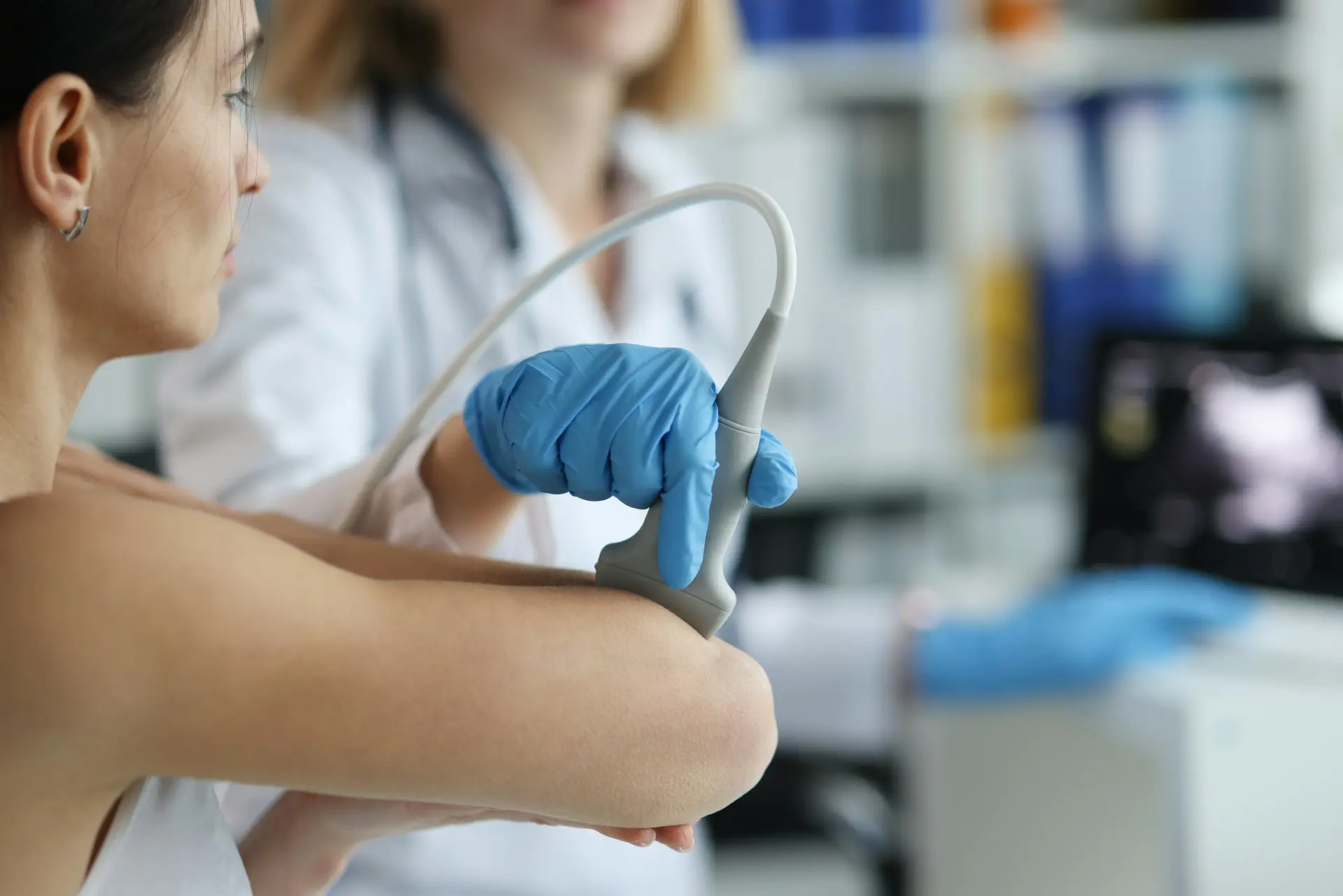
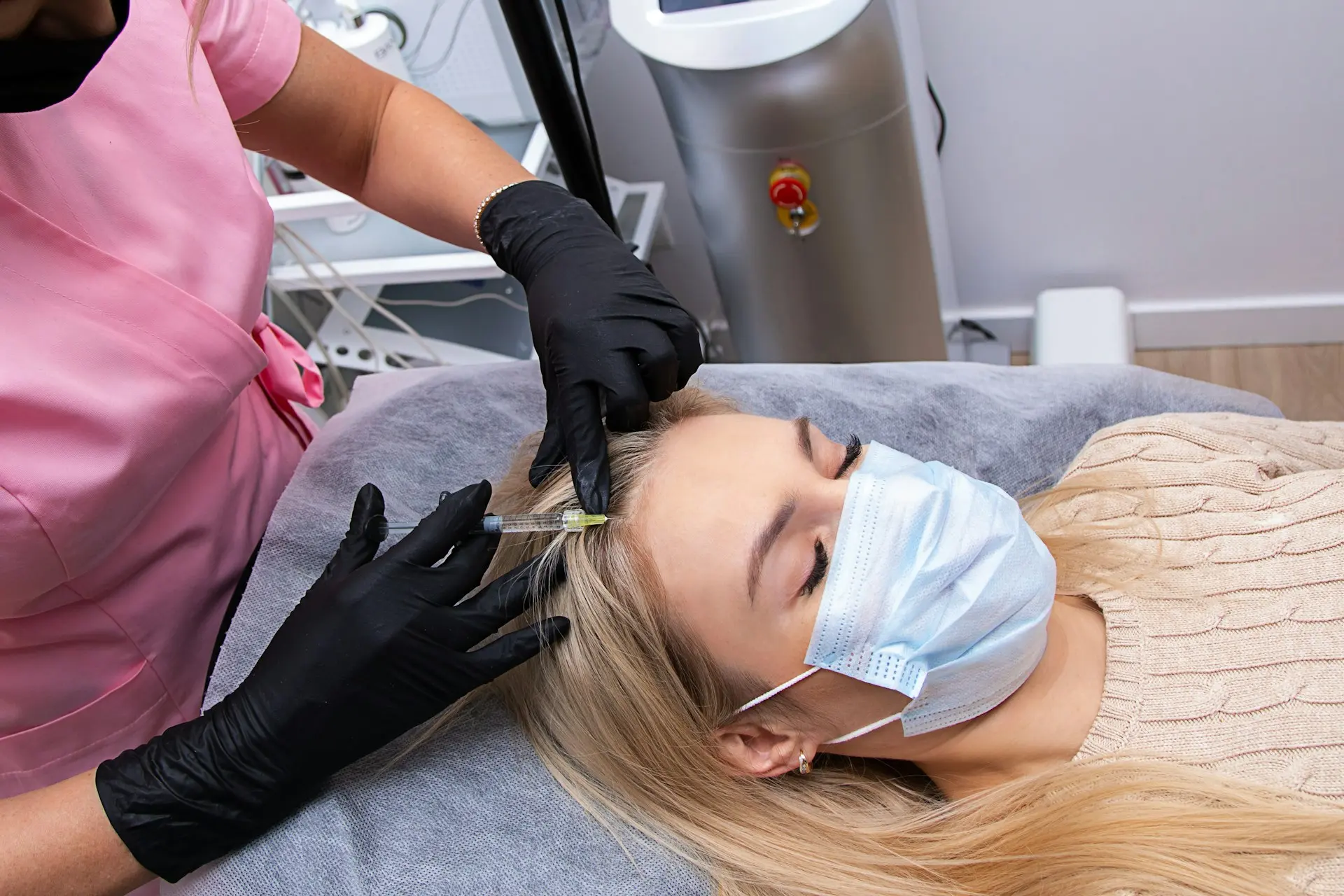
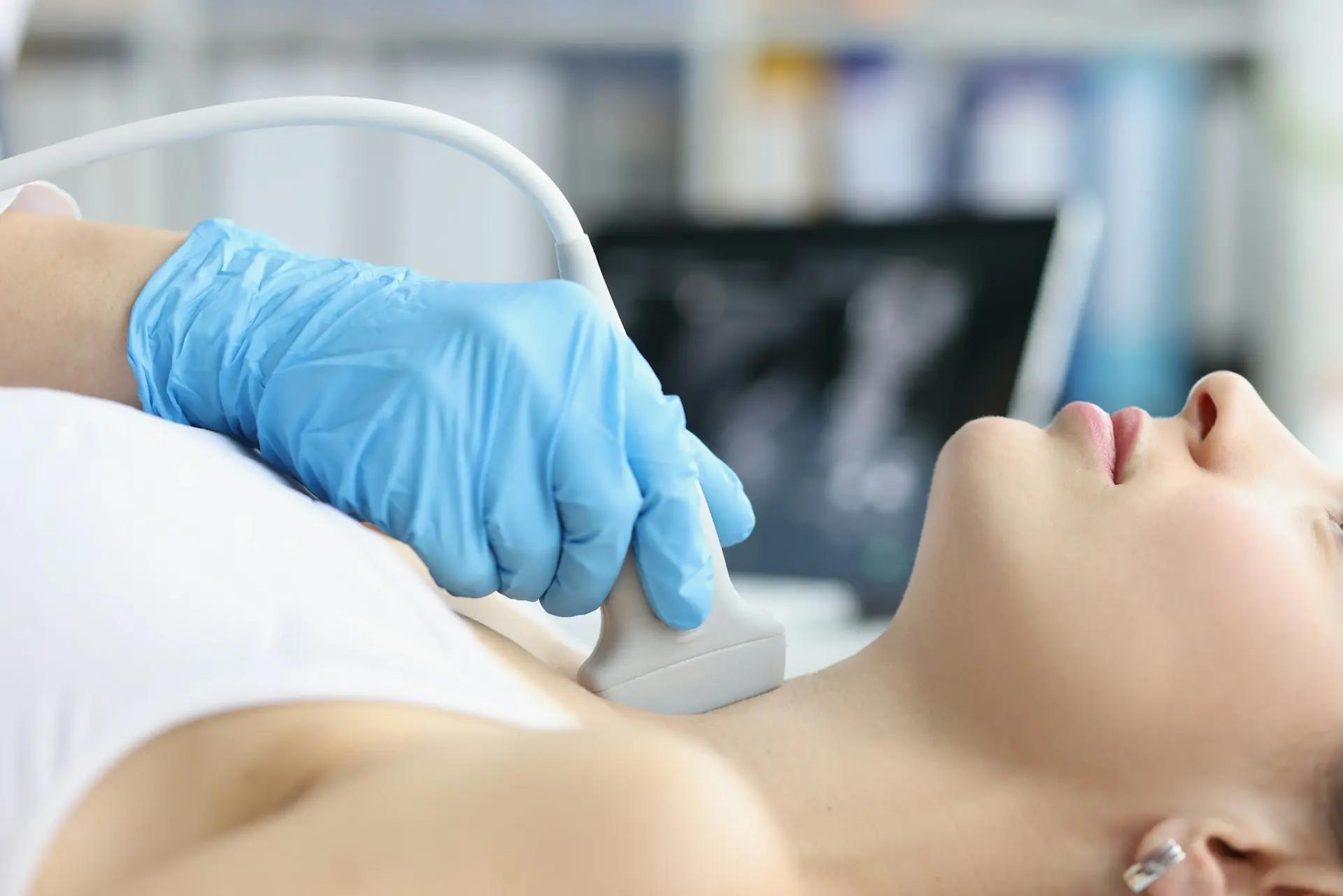
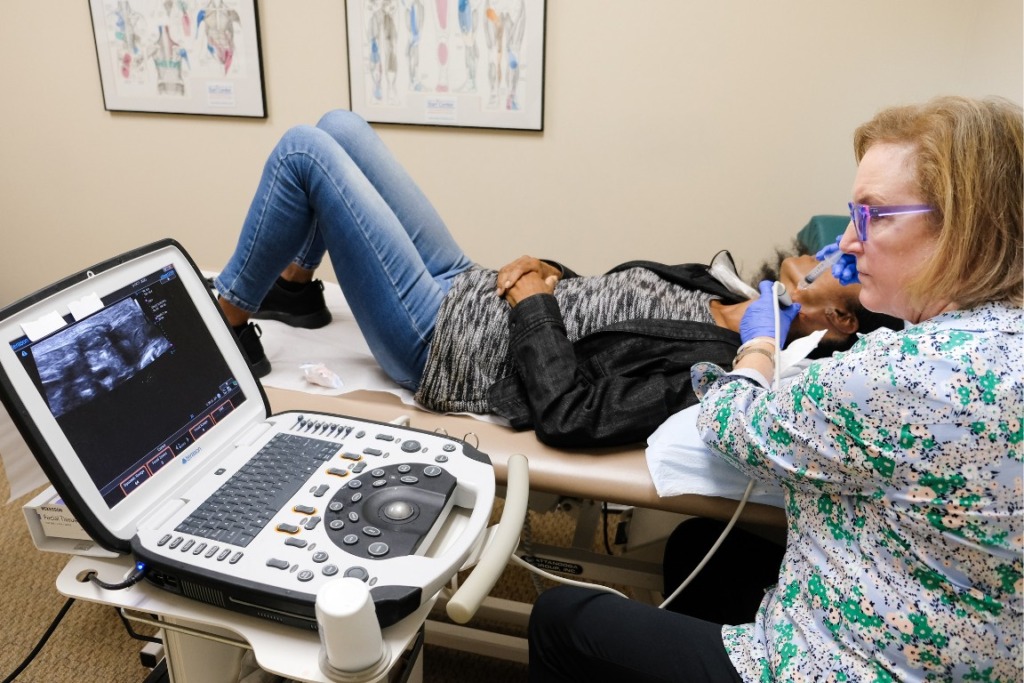
Dr. Lisa Barr performs ultrasound-guided neural therapy on scar tissue to relieve neck pain.
Neural therapy is the treatment of pain and other illnesses by finding and treating disturbances in the body’s electrical system. These disturbances are called interference fields, which are a result of autonomic nervous system responses. Neural therapy involves the injection of a local anesthetic mixed with other ingredients into the interference fields. The theory behind neural therapy is that trauma can cause long-term disruption of the electrochemical function of cells and tissue, resulting in dysfunction, and the goals are to correct the interference and facilitate healing. Most people relate the onset of illness or pain to a surgery, injury, illness or emotional trauma. The resulting pain can occur in areas that are a distance from the trauma; for example, a scar found in the leg can cause shoulder pain and/or dysfunction. Tissues that can be affected include:

  • Scars
  • Nerves
  • Autonomic ganglia (clusters of autonomic nerves)
  • Site of nerve entrapments
  • Organs
  • Joint or muscle mechanical dysfunction
  • Puncture sites

What is the autonomic nervous system?

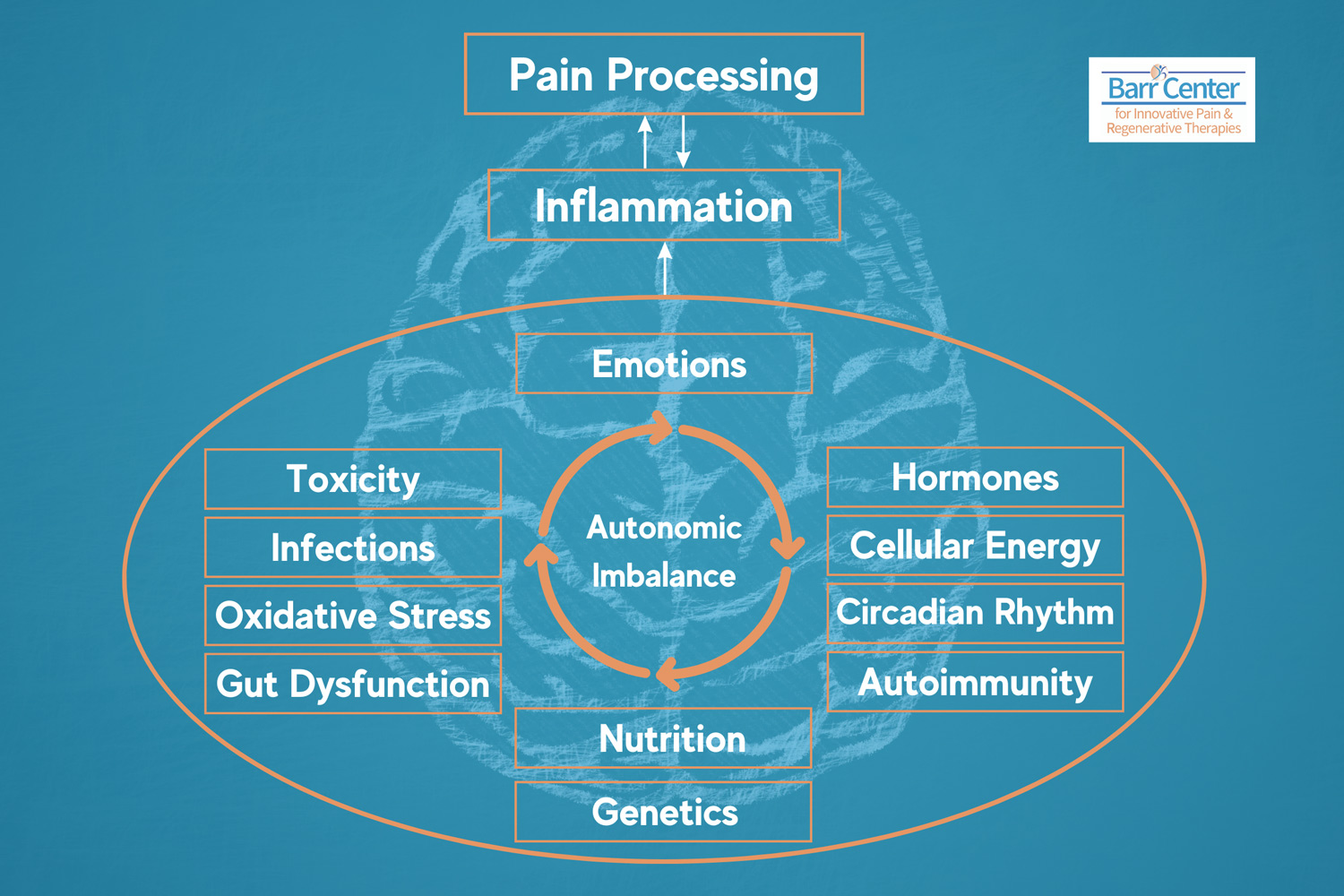
Every cell in your body is connected to, and controlled by, the autonomic nervous system. It regulates breathing, circulation, body temperature, digestion, metabolism, and hormone formation and distribution. It controls all of the automatic processes your body requires to function. When trauma occurs to an area, the autonomic nervous system increases circulation to the affected body part. When this circulation fails to return to normal, interference fields develop. How does scar tissue affect the autonomic nervous system? Scar tissue can create an abnormal electrical signal in the autonomic nervous system. This signal is then transmitted through the autonomic nervous system throughout your body. This is why a scar in one part of your body can cause pain in another area that is not even in close proximity to the scar. Scars that are most common sources of pain syndromes include: All scars from abdominal or back surgery

  • Knee or shoulder arthroscopy
  • Pelvic laparoscopy around the belly button
  • Tooth extraction scars
  • Vaccination scars
  • Bunionectomy
  • Gallbladder surgery
  • Tonsillectomy
  • Face-lift scars

What are interference fields? Interference fields have lower electrical potentials than surrounding tissue. Electrical currents will flow from areas of higher voltage to areas of lower. Because of the disruption in electrical activity due to the presence of scar tissue, mixed signals are sent through the body’s nervous system. As a result, the body will react in ways that can lead to chronic pain and/or illness. Interference fields can be caused by:

  • Infections
  • Illness
  • Emotional trauma
  • Physical trauma that may include:
  • Surgery
  • Accidents
  • Deep cuts
  • Biopsies
  • Childbirth
  • Dental procedures
  • Vaccinations
  • Burns
  • Tattoos

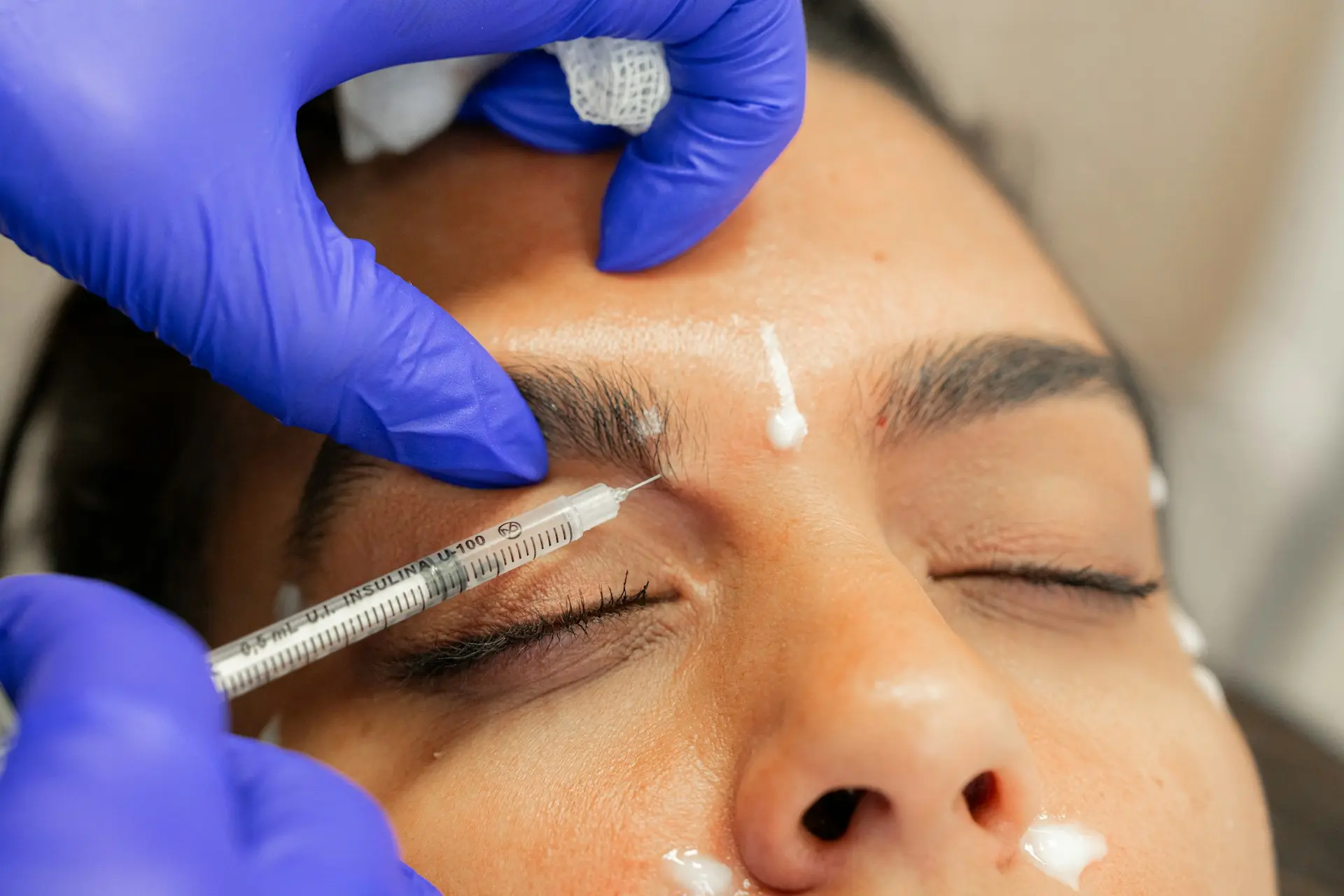
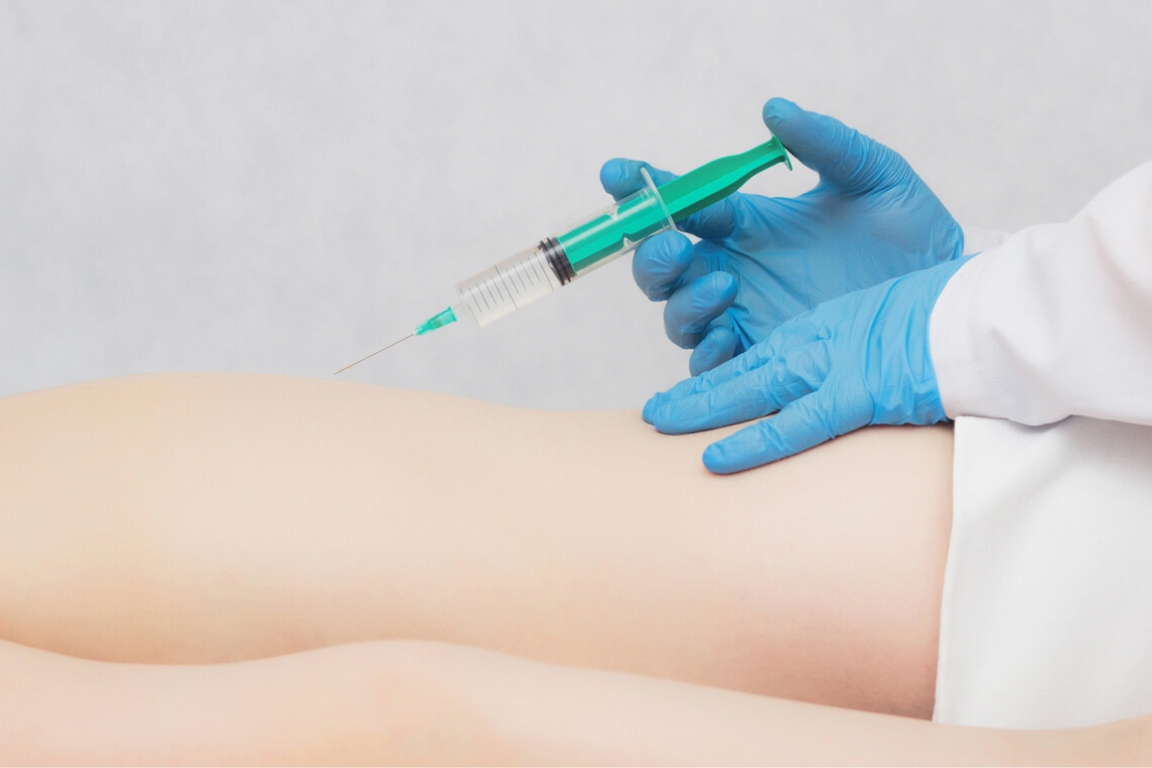
Interference fields can be found almost anywhere in the body and can be far from the area of pain. A thorough history will help to find potential interference fields that may be contributing to your pain, and your physician can decide if neural therapy is appropriate for the treatment of your pain. How does neural therapy work? Cells in interference fields have an abnormal electrical charge on the cell surface. This results in abnormal signals being sent from the nerves to the brain (abnormal afferent signals). These signals then trigger abnormal autonomic nervous system responses. Local anesthetics affects the cells by stabilizing the membrane and normalizing the electrical charge. Even if the effects last for a short time, it allows for improved cellular metabolism, creating a healthier cellular environment and helping to stabilize the system. The improved cellular metabolism allows toxins to leave the cells and nutrients to enter, thereby reducing pain. How are neural therapy injections performed? The injections are done using a very fine needle directed just below the skin (subcutaneously) into scars, nerves, acupuncture points, glands and trigger points. Sometimes deep injections are performed into the ganglia (a cluster of nervous tissue) or into a plexus (a network of nerves). The injections are done to eliminate the interference and restore the body’s natural energy flow. After injecting the scar, sometimes a small amount of local anesthetic is injected into a vein, which helps stabilize the nervous system. Also, at times we inject small “blebs” of local anesthetic in a segmental fashion over other areas of the body where interference patterns or areas of abnormal electrical activity are found. How many treatments are needed? Generally, we perform three weekly treatments. If a temporary effect is obtained from the first treatment, then typically repeated treatments will become more effective. What can reduce the effectiveness of neural therapy? The effectiveness of neural therapy is dependent upon the general medical condition of the patient. The results may be diminished by:

Chronic fatigue or tiredness.

  • Use of legal or illegal drugs (particularly any drugs that begin with “anti,” as they will block the autonomic nervous system).
  • Nutritional deficiency – poor nutrition can result in unsuccessful treatment of interference fields. Mineral and vitamin deficiencies need to be corrected, or either the interference fields will recur or the response to treatment will not improve with time.
  • Toxins – these can include drugs, tobacco and alcohol and may cause a poor response to neural therapy.

Are there any side effects with neural therapy? The injections may cause bruising as  well as an increase in pain for a few days. If this happens, it indicates that the injection was not in the right area, but that the interference field is in close proximity. Are the injections painful? Neural therapy injections can be painful, but the pain usually only lasts for a few seconds. The discomfort from the injection is similar to that of a mosquito bite, but the intensity of the scar and the sensitivity of the area being injected will determine the level of discomfort that you experience. Is neural therapy safe?

  • Neural therapy is very safe. Potential risks of neural therapy are:
  • An allergic reaction to Lidocaine (the most commonly used anesthetic agent)
  • Feeling faint for a few minutes after the injections
  • Temporary lowering of the blood pressure caused by the local anesthetic
  • Puncture to an internal organ, which is rare. The lung is the organ most at risk, and special care is taken with any injection into the chest wall.

Can the Barr Center Help You with Pain Relief?

Call us at 757-578-2260 or email us at Info@BarrCenter.com to get started on  therapies that relieve your pain.

Learn More

Conditions we treat: Neck PainShoulder PainBack PainHip Pain and Knee Pain. We often use Regenerative Medicine, and sometimes combine physical therapy, in our pain management treatments.


INNOVATIVE PAIN & REGENERATIVE THERAPIES
Expert care for spine, joint, nerve, sports injuries, and chronic pain.

Find Relief From the Conditions Holding You Back

Dr. Lisa Barr is a leading pain management physician in Virginia Beach with over 35 years of experience diagnosing and treating spine, joint, nerve, and musculoskeletal pain. As a Board Certified PM&R specialist, she focuses on whole-body, non-surgical solutions that uncover the true root cause of pain. She is also the international bestselling author of Outsmart Your Pain and one of the region’s most experienced experts in regenerative medicine, PRP, and advanced biologic therapies.

Spinal Conditions
  • Neck Pain
  • Mid Back Pain
  • Low Back Pain
  • Pelvic Pain
  • SacroiIiac Joint Pain
  • Hypermobility
  • Myofascial Pain
    • Trigger Point
      injections
    • What is Sarapin?
  • Fibromyalgia
  • EOS/Hypermobility
    Syndrome
  • Autoimmunity
    • LDN (Low dose
      Natrexone)
    • Testing
  • Prolotherapy
  • Neuroprolotherapy
  • Neural Therapy
  • Cold Laser
  • Entrapment Neuropathy
    • Carpal Tunnel Syndrome
    • Radial & Ulnar Nerve Entrapment
    • Lower Extremity Entrapment
    • Occipital Neuritis
  • Scar Tissue
  • Peripheral Neuropathy
    • Fatty Acid Testing & Specialized Therapies
    • Cold Laser
    • Nutritional Support
  • Neck Pain
  • Mid Back Pain
  • Low Back Pain
  • Pelvic Pain
  • SacroiIiac Joint Pain
  • Hypermobility
  • Inner Arsenal
  • Vagus Nerve Support
  • Power over Pain Mindset
  • Breathing Practices
Resources

Chronic Pain Management Articles

Barr Center Video Playlist

8 Videos
OVERVIEW

The Barr Center for Innovative Pain and Regenerative Therapies, led by Dr. Lisa Barr, is dedicated to helping people in pain. With over forty years of experience, Dr. Barr and her staff offer a range of evaluation and treatment options, including osteopathic assessment, trigger point injections, prolotherapy, and regenerative therapies. They prioritize a caring atmosphere and involve patients in their own care, ensuring they understand the recommended treatments. If necessary, they collaborate with other professionals to provide a comprehensive approach. Dr. Barr’s expertise has been recognized with the Top Doc award for thirty years.

FAQ

Pain Management and Treatment

The Barr Center for Innovative Pain & Regenerative Therapies is located at:

933 First Colonial Road, Suite 200
Virginia Beach, VA 23454

Phone: 757-578-2260
Email: info@BarrCenter.com

Monday–Thursday: 8:30 am–5:00 pm

Friday: Closed (note: physician on call)

Not always. Some insurance plans—especially HMOs—require a referral before seeing a specialist. To confirm what your specific plan requires, call your insurance provider or contact our office at 757-578-2260.

We accept most major insurance plans (except Medicaid). If your plan requires a referral or pre-authorization to see a specialist, you will need one for your first visit. After your initial consultation, our office obtains any future pre-authorizations, sometimes with assistance from your referring provider. Visit our Patient Resources page for details.

Yes. We offer telemedicine visits for certain appointment types, including follow-up visits and treatment discussions. Some procedures require in-office evaluation, and our team will help determine whether a virtual visit is appropriate.

Conditions and Treatment Questions

Led by pain management specialist Lisa Barr, M.D., the Barr Center provides comprehensive musculoskeletal and pain treatments including:

• Acupuncture
• Mind-body medicine and lifestyle optimization
• Interventional spinal procedures
• Sports medicine
• Physical therapy
• Regenerative medicine (PRP, prolotherapy)

We treat a wide range of pain and musculoskeletal conditions, including:

• Neck, shoulder, hip, back, and knee pain
• Sports injuries and repetitive strain conditions
• Posture, sleep, and movement-related pain
• Car accident injuries, including whiplash

Our approach provides proven alternatives to surgery and long-term medications through targeted injections, hands-on physical therapy, acupuncture, lifestyle guidance, and regenerative medicine.

If your pain is persistent, recurring, or limiting daily activities, it is time for an evaluation. We assess how your joints move, how your muscles function, and whether lifestyle factors are contributing to your symptoms.

We offer a comprehensive, root-cause approach to pain in a boutique practice setting.

Our team is highly specialized, and we combine interventional pain medicine, regenerative therapies, physical therapy, and whole-person care—all under one roof.

Our team includes board-certified physicians, licensed physical therapists, regenerative medicine specialists, acupuncture providers, and experienced clinical support staff with focused expertise in musculoskeletal medicine and pain management.

Preparing for your First Appointment

To help make your first visit efficient, please bring:

• Photo ID
• Insurance card
• Referral (if required by your insurance)
• Completed new-patient paperwork
• Co-pay, if applicable

If you have MRIs, CT scans, X-rays, or lab results, please have your referring provider fax them to our office. You may also download our Medical Records Request Form to expedite the process.

Experiencing Pain? Reach Out For Medication-Free Treatment